
California's Water Challenge: Why the Future of Infrastructure Depends on Smarter Irrigation Systems
California has spent decades discussing water scarcity and sustainable infrastructure. One of the most overlooked opportunities lies in how water is delivered, managed, and utilized at the landscape level.
California has spent decades discussing water scarcity, drought resilience, and sustainable infrastructure. Yet despite billions of dollars invested in water management, one of the most overlooked opportunities remains hidden in plain sight: the way water is delivered, managed, and utilized at the landscape level.
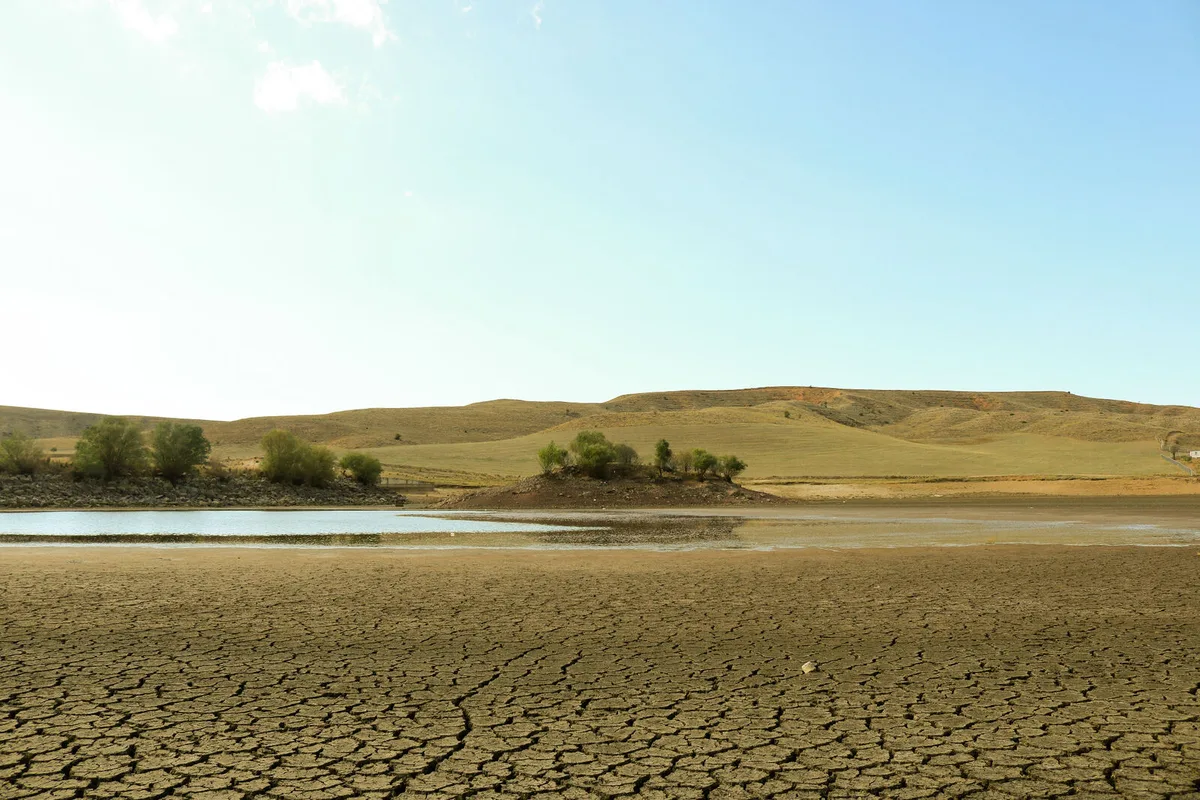
For many people, irrigation is simply a maintenance tool. In reality, it is critical infrastructure. Every residential community, commercial property, public park, industrial campus, and municipal landscape depends on systems that distribute water efficiently and predictably. When these systems perform poorly, the consequences extend far beyond aesthetics.
Water loss, nutrient runoff, soil degradation, excessive maintenance costs, and environmental damage are often symptoms of outdated irrigation practices rather than unavoidable realities.
California faces a unique combination of challenges. Population growth, urban expansion, climate variability, recurring drought cycles, and increasing environmental regulations are placing unprecedented pressure on water resources. At the same time, property owners, municipalities, and facility managers are expected to maintain healthy landscapes while reducing water consumption and operating costs.
This creates a fundamental engineering question: how can we achieve more with less?
The answer increasingly lies in precision infrastructure.
Beyond pipes and sprinklers
Modern irrigation systems are no longer simple networks of pipes and sprinklers. Advances in automation, sensor technology, data analytics, and resource management are transforming irrigation into a highly controlled engineering discipline.
The future belongs to systems capable of delivering water exactly where it is needed, in the right amount, at the right time.
One particularly important area is the integration of irrigation with nutrient management. Traditional fertilization methods often result in significant waste because nutrients are applied separately from irrigation cycles. As a result, a substantial percentage of fertilizers never reach the root zone where they are intended to be absorbed.
Instead, valuable resources may be lost through runoff, groundwater infiltration, or inefficient distribution patterns.
For California, this issue extends beyond operational efficiency. Nutrient runoff contributes to environmental challenges affecting waterways, drainage systems, and coastal ecosystems. Reducing these losses is not only an economic objective but also an environmental necessity.
Recycled water and new constraints
Another emerging challenge involves the increasing use of recycled water. As municipalities expand recycled water programs to preserve freshwater supplies, landscape managers must adapt to new conditions. Recycled water often contains elevated mineral content and different chemical characteristics that can affect soil structure, plant health, and irrigation performance.
Successfully integrating recycled water into long-term infrastructure planning requires more than policy initiatives. It requires engineering solutions capable of monitoring, adapting, and optimizing system performance over time.

Landscapes as data-driven assets
This is where technology becomes increasingly important.
Smart controllers, automated injection systems, remote monitoring platforms, predictive maintenance tools, and real-time performance analytics are reshaping how landscape infrastructure is managed. The industry is gradually moving away from reactive maintenance toward proactive resource management.
The broader trend is clear: landscapes are becoming data-driven assets rather than manually maintained spaces.
From an engineering perspective, the next decade will likely bring a convergence of water management, automation, environmental science, and digital infrastructure. The organizations that embrace this shift will not only reduce operating costs but also improve sustainability, regulatory compliance, and long-term asset performance.
California has always served as a laboratory for infrastructure innovation. As water challenges continue to grow, irrigation systems will play a much larger role in shaping resilient communities and sustainable development.
The future of water management will not be defined solely by new reservoirs, pipelines, or regulations. It will also be determined by thousands of intelligent infrastructure decisions made every day at the landscape level.
In that future, smarter irrigation may become one of the most important engineering tools available.

Senior Editor, Engineering Infrastructure & Water Management
Volodymyr Drahan edits Industry Pulse coverage of engineering, infrastructure, irrigation and water management.