
Analysis of Drone Failsafe Systems and the Critical Risk of Navigation Sensor Failure
As Interesting Engineering reports, the loss of a command signal does not always lead to a crash, provided navigation systems remain intact. Modern drones utilize programmed responses like Return to Home to navigate back to launch sites, but investigations show that simultaneous failures of GPS or compass data often result in uncontrolled drifting and collisions.
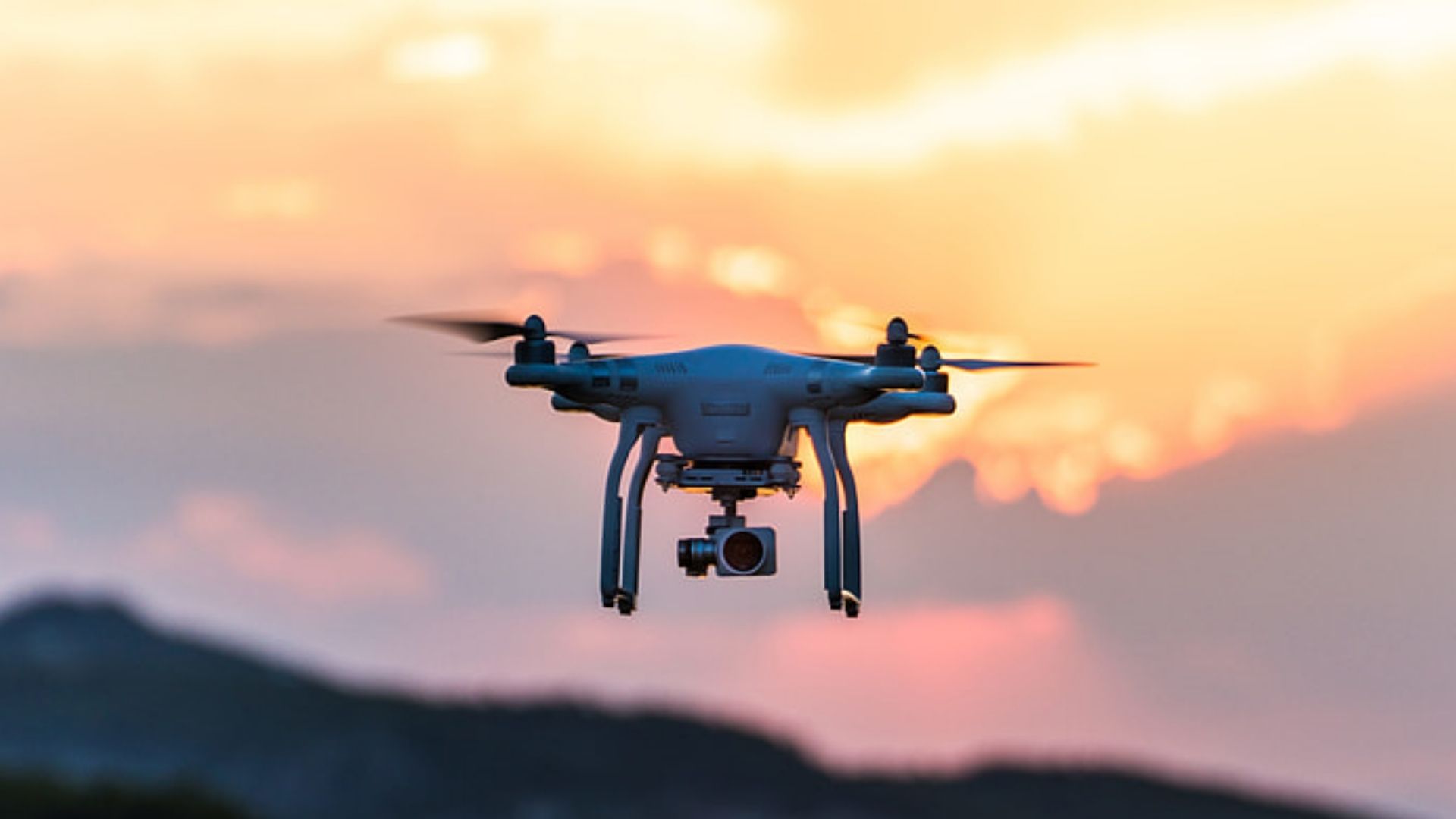
Context from Industry Pulse
The reliability of unmanned aerial systems hinges on the integrity of the sensor suite. While command link failures are common, they are usually manageable through automated Return to Home protocols. The critical point of failure identified by Interesting Engineering involves the corruption of navigation data. When a drone loses its GPS or compass heading, it loses the context required to utilize its failsafe programming. This vulnerability is exacerbated by external factors such as electromagnetic interference or high winds, which can turn a stable aircraft into an unguided projectile. For engineers and operators, the focus must remain on pre-flight sensor calibration and understanding the limitations of automated recovery systems during multi-system failures.
"RTH requires the drone to have sufficient battery power, a valid home point, and the navigation information needed to follow its route."
Modern consumer and professional drones utilize several overlapping communication and navigation technologies to maintain flight stability. According to Interesting Engineering, the primary command-and-control link manages pilot instructions while separate systems handle telemetry and video feeds. Navigation typically relies on Global Navigation Satellite Systems alongside internal sensors like accelerometers and gyroscopes. When the primary control link is severed, the flight controller must rely on these sensors to execute automated safety protocols.
One common safety feature described by Interesting Engineering is the Return to Home function. This allows an aircraft to climb to a safe altitude and fly back to its recorded launch coordinates using stored data. However, this response is highly dependent on the drone having sufficient battery power and accurate positioning information. Other programmable responses include hovering in place or performing an immediate landing at the current location, depending on the specific firmware settings used by the operator.
Technical challenges arise when a drone loses its navigation data or heading reference. Interesting Engineering notes that multirotor aircraft often transition into Attitude mode when GPS fails. In this state, the drone can stabilize its orientation but cannot hold its position against environmental forces like wind. This requires the pilot to take manual control, which is often difficult if the aircraft has drifted out of visual range or if the command link is also compromised.
Evidence from flight investigations highlights the limitations of these automated safeguards. Interesting Engineering cites reports from the UK Air Accidents Investigation Branch involving incidents where magnetic interference or sensor errors prevented drones from returning home. In one instance, a DJI Matrice M600 Pro struck a residential roof after losing its heading information. These cases emphasize that failsafes are not absolute guarantees of safety, particularly when electromagnetic interference disrupts the internal compass or satellite reception.
The Industry Pulse Bottom Line
Automated failsafes like Return to Home are only as effective as the underlying navigation data; sensor interference remains a primary cause of drone flyaways and property damage.