
Lockheed Martin Unveils Lamprey MMAUV for Covert Naval Operations
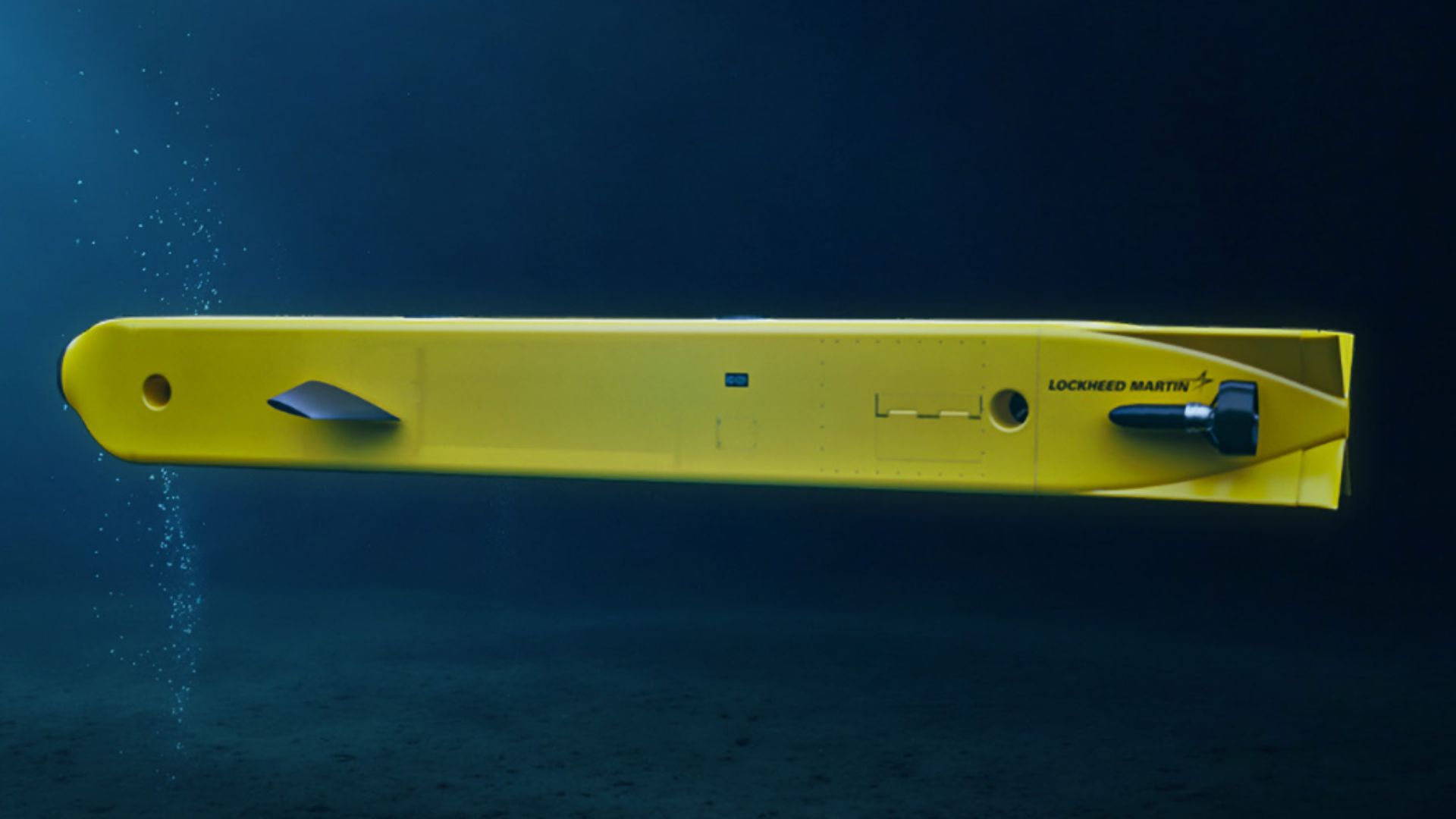
Lockheed Martin has introduced the Lamprey Multi-Mission Autonomous Undersea Vehicle, a platform designed to attach to naval vessels for transport and power. As Interesting Engineering reports, the drone utilizes internal hydrogenators to charge its batteries while hitched to a host ship, ensuring it arrives at operational zones fully powered for independent missions.
Context from Industry Pulse
The introduction of the Lamprey MMAUV on February 9, 2026, highlights an increasing focus on modularity and endurance in maritime defense technology. By leveraging a design that avoids the need for host-ship modifications, Lockheed Martin bypasses the logistical hurdles typically associated with integrating new hardware into existing naval fleets. The use of hydrogenators for in-transit charging directly addresses the energy density challenges inherent in underwater robotics. Furthermore, the drone's 24-cubic-foot payload capacity allows it to function as a force multiplier, performing tasks ranging from mine countermeasures to electronic disruption, which reduces the operational risk for larger, crewed submarines and surface combatants in high-threat environments.
"LampreyMMAUV was internally funded, letting us iterate at lightning speed and hand the Navy a true multi mission weapon that detects, disrupts, decoys and engages on its own."
The Lamprey Multi-Mission Autonomous Undersea Vehicle represents a shift in how the U.S. Navy and allied forces might deploy unmanned systems in contested waters. According to Interesting Engineering, the design draws inspiration from marine organisms that cling to larger hosts. This allows the drone to hitch a ride on submarines or surface ships without requiring the host vessel to undergo physical modifications for compatibility.
One of the most significant technical features of the platform is its integrated power management system. Interesting Engineering notes that the vehicle utilizes built-in hydrogenators to generate electricity while it is attached to a moving host platform. This capability addresses the common range and endurance limitations of autonomous underwater drones by allowing the Lamprey to save its internal battery capacity for the actual mission phase rather than the transit phase.
The system is built around a modular architecture that supports a wide variety of naval objectives. As Interesting Engineering reports, the internal payload bay offers 24 cubic feet of space, which can be configured with anti-submarine torpedoes, sensors, decoys, or launch systems for other unmanned aerial vehicles. This flexibility enables the platform to transition between kinetic attacks and non-kinetic roles like electronic warfare or seabed equipment deployment.
Lockheed Martin developed the drone to address two primary strategic concepts: Assured Access and Sea Denial. Interesting Engineering explains that the former focuses on persistent monitoring and intelligence gathering in sensitive areas, while the latter aims to restrict an adversary's movement through disruption and deception. By utilizing these autonomous units, naval commanders can gather intelligence or engage threats while keeping crewed vessels at a safer distance from potential conflict zones.
The Industry Pulse Bottom Line
The Lamprey MMAUV provides the U.S. Navy with a versatile, self-charging autonomous tool that enhances underwater surveillance and strike capabilities while minimizing the physical and technical impact on existing host vessels.