
Raytheon Completes Third Flight Test of Reusable Rocket Training System
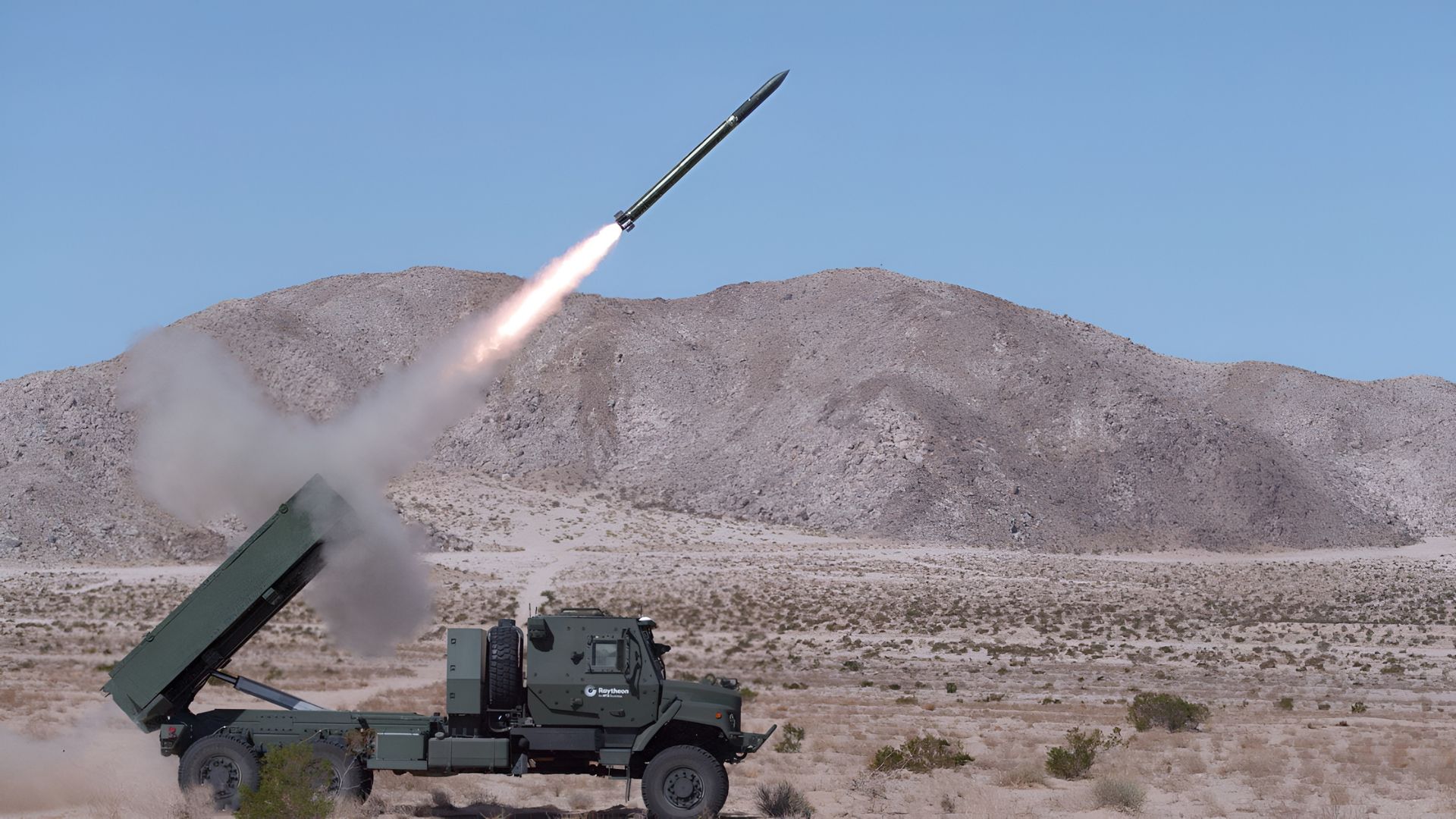
Raytheon successfully conducted a third flight trial for its DeepStrike JR3 rocket at the Yuma Proving Ground in Arizona. As reported by Interesting Engineering, the system utilizes a reusable 24-rocket pod designed to lower costs for U.S. Army training exercises by replacing disposable hardware and reducing reliance on expensive operational munitions.
Context from Industry Pulse
The DeepStrike JR3 project highlights a shift in defense procurement toward sustainable training solutions. By integrating a reusable launch pod into the Multiple Launch Rocket System Family of Munitions architecture, the U.S. Army seeks to decouple training frequency from high operational costs. The collaboration between major contractors like Raytheon and specialized suppliers like Corvid Technologies suggests a move toward modular, commercially-derived manufacturing. This strategy addresses the logistical burden of disposing of launch hardware after every exercise. As the Army seeks to maintain readiness amid budget constraints, the transition from the current Reduced Range Practice Rocket to a reusable system reflects a broader engineering goal to preserve high-cost munitions for active conflict while maintaining personnel proficiency through affordable, rapid-fire simulations.
The recent demonstration in Arizona focused on the performance of the DeepStrike JR3 within the established Multiple Launch Rocket System architecture. During the trials at Yuma Proving Ground, Raytheon launched several rockets in quick succession to evaluate flight trajectory, accuracy, and range. According to Interesting Engineering, the testing also verified the effectiveness of a marking solution used by recovery personnel to locate training rounds after they land.
Central to the design is a reusable launch pod container that accommodates 24 rockets. Traditional training systems often utilize disposable equipment, but this new pod is built for continuous maintenance and repeated use across various exercises. This shift in hardware philosophy aims to help the military manage the financial demands of frequent live-fire training without depleting stocks of full-capability weapons intended for combat.
The JR3 was developed through a rapid prototyping initiative involving a broad industrial coalition. Partners in the project include L3Harris Technologies, Northrop Grumman, Corvid Technologies, and Combined Systems Inc., with production support from the Letterkenny Munitions Center. By utilizing commercially available technologies and existing manufacturing facilities, the program intends to decrease production timelines while maintaining strict control over manufacturing expenses.
While the third flight test marks a significant milestone, the system is not yet officially qualified for service. Interesting Engineering notes that Raytheon plans further flight trials to confirm the maturity of the design and its ability to simplify logistics. These upcoming evaluations will determine if the JR3 can reliably meet the technical requirements of the U.S. Army as a formal replacement for the current Reduced Range Practice Rocket.
The Industry Pulse Bottom Line
The DeepStrike JR3’s reusable pod and rapid-prototyping model demonstrate how the defense industry is prioritizing lifecycle sustainability and commercial technology to reduce the high fiscal barriers of advanced military training.