
US Army Selects K1000ULE Electric Drone for Long-Range Reconnaissance
The US Army has integrated the K1000ULE unmanned aircraft system into a major Program of Record to enhance battlefield surveillance. Developed by Kraus Hamdani Aerospace, this fully electric platform provides autonomous target acquisition capabilities. According to Interesting Engineering, the contract follows years of military testing and feedback from active-duty soldiers to refine the system for contested environments.
Context from Industry Pulse
The selection of the K1000ULE reflects a military shift toward sustainable, autonomous, and runway-independent aerial systems. By moving away from fixed-wing drones that require airstrips, the US Army gains flexibility in contested zones. The platform’s 24-hour endurance and 1,000-mile range represent a significant leap for Group 2 electric aircraft, which typically face energy density limitations. Furthermore, the inclusion of the system on the Blue UAS Cleared and Select Lists underscores the importance of supply chain security and vetted AI in modern defense procurement. This program solidifies the role of ultra-long-endurance electric propulsion in replacing or augmenting traditional internal combustion platforms for persistent surveillance.
The US Army is modernizing its aerial reconnaissance capabilities by fielding a new class of electric drones designed for long-endurance missions without the need for traditional infrastructure. As Interesting Engineering reports, the K1000ULE platform utilizes vertical takeoff and landing technology, allowing units to launch and recover the aircraft in austere locations where runways are unavailable. This capability reduces the logistical footprint of the system, requiring only a three-person team for field operations.
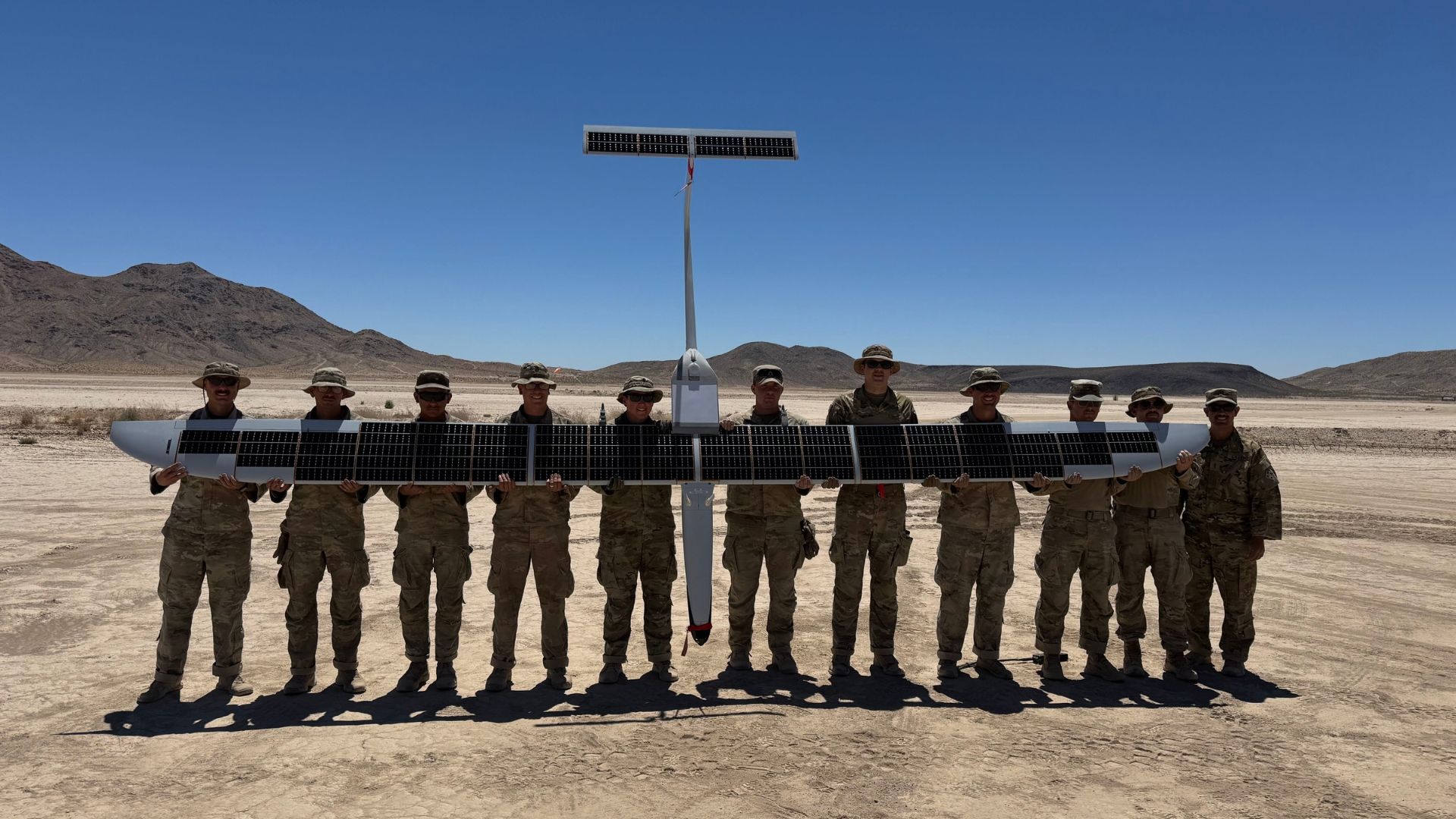
Technological specifications for the aircraft highlight its efficiency for sustained operations. The platform features an aerodynamic design that enables up to 24 hours of continuous flight on a single electric charge. During this window, the drone can cover a distance of 1,000 miles while maintaining a service ceiling of 20,000 feet. Interesting Engineering notes that the system cruises at 46 miles per hour, providing a stable platform for the onboard sensors used in target acquisition and surveillance tasks.
The airframe is constructed to be lightweight and compact, with a wingspan of 16.4 feet and a total length of 9.8 feet. Despite its small size, it supports a maximum takeoff weight of 42.5 pounds. The drone employs artificial intelligence to manage flight paths autonomously and can function beyond the operator’s direct line of sight. Engineers utilized an open architecture for the system, ensuring that payloads and sensors can be updated as operational requirements evolve over time.
Kraus Hamdani Aerospace developed the technology over an 11-year period, refining the platform through various military exercises. The drone is currently featured on the Defense Innovation Unit’s vetted lists for secure federal technology. This latest Army contract follows previous agreements with US Air Forces Central, signaling a broader adoption of ultra-long-endurance electric systems across the military branches to support critical reconnaissance and communications needs.
The Industry Pulse Bottom Line
The US Army’s adoption of the K1000ULE marks a transition to runway-free, AI-enabled electric aviation, providing 24-hour persistent surveillance with a minimal logistical footprint in high-risk operational environments.