
U.S. Air Force Modernizes F-16 Radar Component Testing at Hill Depot
The 523rd Electronic Maintenance Squadron at Hill Air Force Base has upgraded its radar testing infrastructure to address obsolescence and improve throughput. According to Interesting Engineering, these enhancements allow the facility to verify approximately 160 antennas and 70 radomes annually, ensuring the reliability of fire-control systems for the aging F-16 fighter fleet.
Context from Industry Pulse
The F-16 sustainment program faces the dual challenge of maintaining decades-old airframes while integrating cutting-edge sensor technology. As reported by Interesting Engineering, the Northrop Grumman AESA radar contract exceeds $1.68 billion, signaling a massive investment in hardware. However, the effectiveness of these high-value sensors depends entirely on the structural and electromagnetic integrity of the radome and antenna housing. The modernization of the Hill Air Force Base test systems represents a critical bridge between legacy maintenance and modern electronic warfare requirements. By automating parts of the coating removal and improving throughput for 230 total components annually, the Air Force is shifting toward more resilient depot-level logistics to counter component obsolescence and ensure fleet availability.
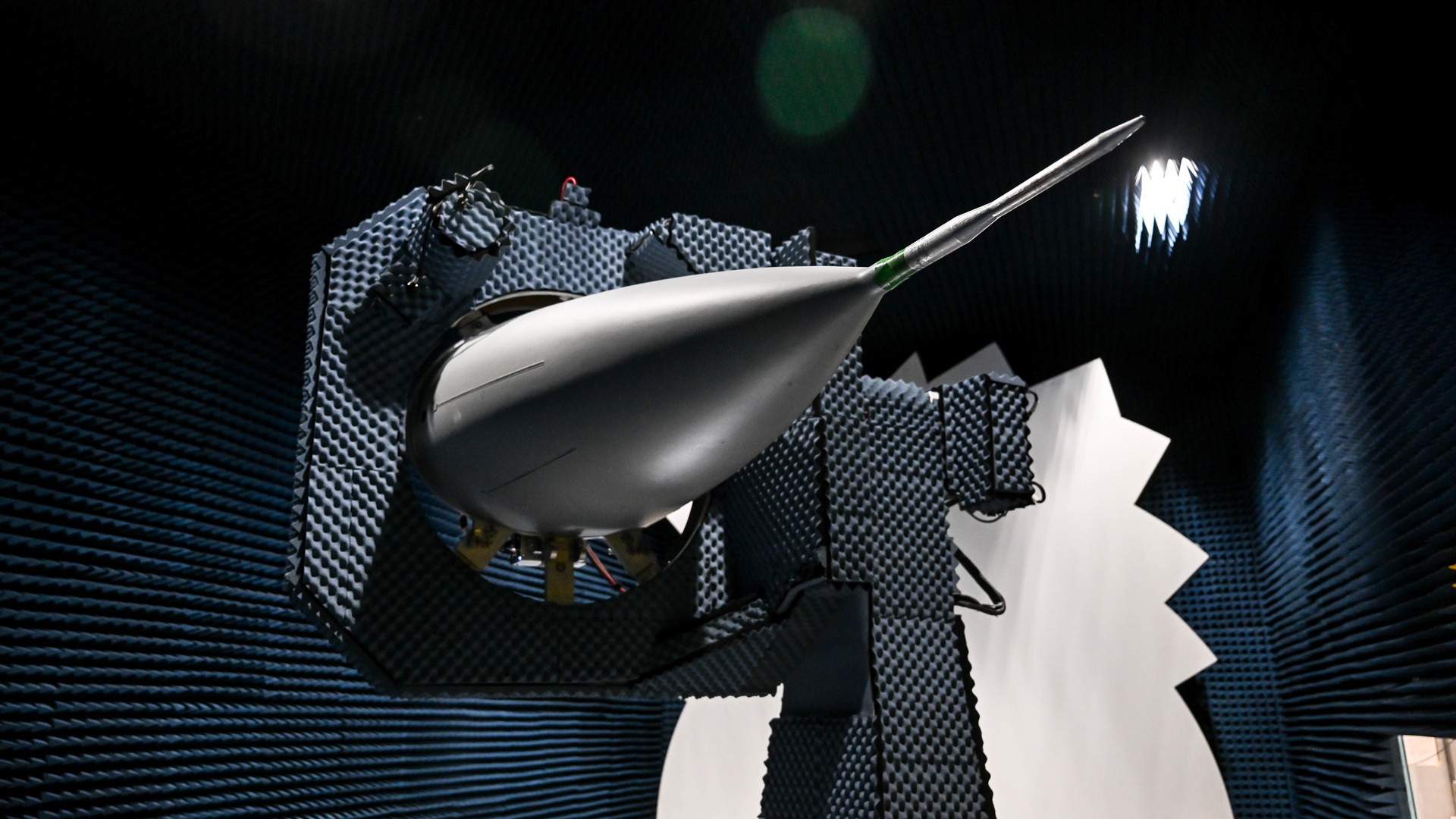
The radio-frequency shop within the 523rd Electronic Maintenance Squadron serves as the exclusive source for repairing F-16 radar antennas and tuning radomes. Recent facility improvements replaced outdated hardware with two modernized systems designed to manage workload surges and urgent field requests. As Interesting Engineering reports, the upgrades focus on the Nose Radome Electrical Test System and the Fire Control Radar Antenna Test System, both of which utilize anechoic foam to eliminate radio-frequency interference during the verification process.
Technicians use these stations to ensure that the radar antenna and its protective nose cone operate in total electromagnetic alignment. The radome serves as a critical electromagnetic window made of composite materials. Even minor defects such as improper paint thickness, micro-cracks, or moisture intrusion can distort signals. Interesting Engineering notes that these flaws act similarly to a dirty lens, potentially causing the radar to display false returns, lose tracking range, or misplace target coordinates on the pilot's display.
Antennas undergo a rigorous diagnostic and repair cycle before reaching the final testing phase, where the new equipment measures radiation patterns and signal transmission accuracy. Simultaneously, radomes may go through robotic coating removal and structural resurfacing before being tested for signal distortion. These procedures are vital for maintaining the accuracy of radar-guided weaponry and overall situational awareness during flight operations.
Maintenance of these systems remains a priority as the F-16 enters its fifth decade of service. While hardware upgrades like Northrop Grumman’s Active Electronically Scanned Array radar contracts continue to modernize the fleet's capabilities, the depot level sustainment provided at Hill Air Force Base ensures that repaired legacy components meet original design specifications. This combination of manual craftsmanship and updated digital testing protocols supports the long-term readiness of the aircraft.
The Industry Pulse Bottom Line
Upgrading depot-level test systems at Hill Air Force Base ensures that F-16 radar components maintain electromagnetic precision, directly impacting the accuracy of target tracking and radar-guided weapon systems for the global fighter fleet.