
Joint Expeditionary Force to Sign Pact Coordinating Submarine Defense Operations
Britain and nine Northern European allies will sign a security agreement on November 10 to coordinate military responses to Russian submarine activity. According to Interesting Engineering, the pact shifts the Joint Expeditionary Force from administrative meetings toward active naval and aerial integration across the North Atlantic, Arctic, and Baltic regions.
Context from Industry Pulse
The formation of this pact occurs as environmental changes and geopolitical shifts alter the maritime landscape. Interesting Engineering reports that melting ice in the High North has opened new navigation routes, increasing the strategic importance of the Arctic. Concurrently, the vulnerability of undersea infrastructure has become a primary concern for defense planners. The British Ministry of Defence highlighted the role of Russia's GUGI directorate in surveying these assets. With Washington focusing more resources on the Indo-Pacific over the last 15 years, Northern European nations are consolidating their naval and aerial resources to ensure that the North Atlantic remains a secure corridor for both commercial shipping and military logistics.
"This is the most dangerous period I’ve known in my adult life."
The Joint Expeditionary Force, led by the United Kingdom since 2014, is transitioning from a framework of memorandums and exchanges into a functional tactical partnership. As Interesting Engineering reports, the group includes Denmark, Estonia, Finland, Iceland, Latvia, Lithuania, the Netherlands, Norway, and Sweden. This evolution is designed to synchronize air, land, and sea forces to prevent Russian naval assets from threatening global shipping lanes or critical infrastructure during potential conflicts.
Defense officials have emphasized that the security of European waters directly impacts the stability of the United States East Coast. Interesting Engineering notes that the pact serves as a response to shifting American military priorities toward the Indo-Pacific region. By increasing their presence in the High North and North Atlantic, these European allies aim to assume greater responsibility for regional defense while securing vital undersea cables that facilitate international communication and energy transfer.
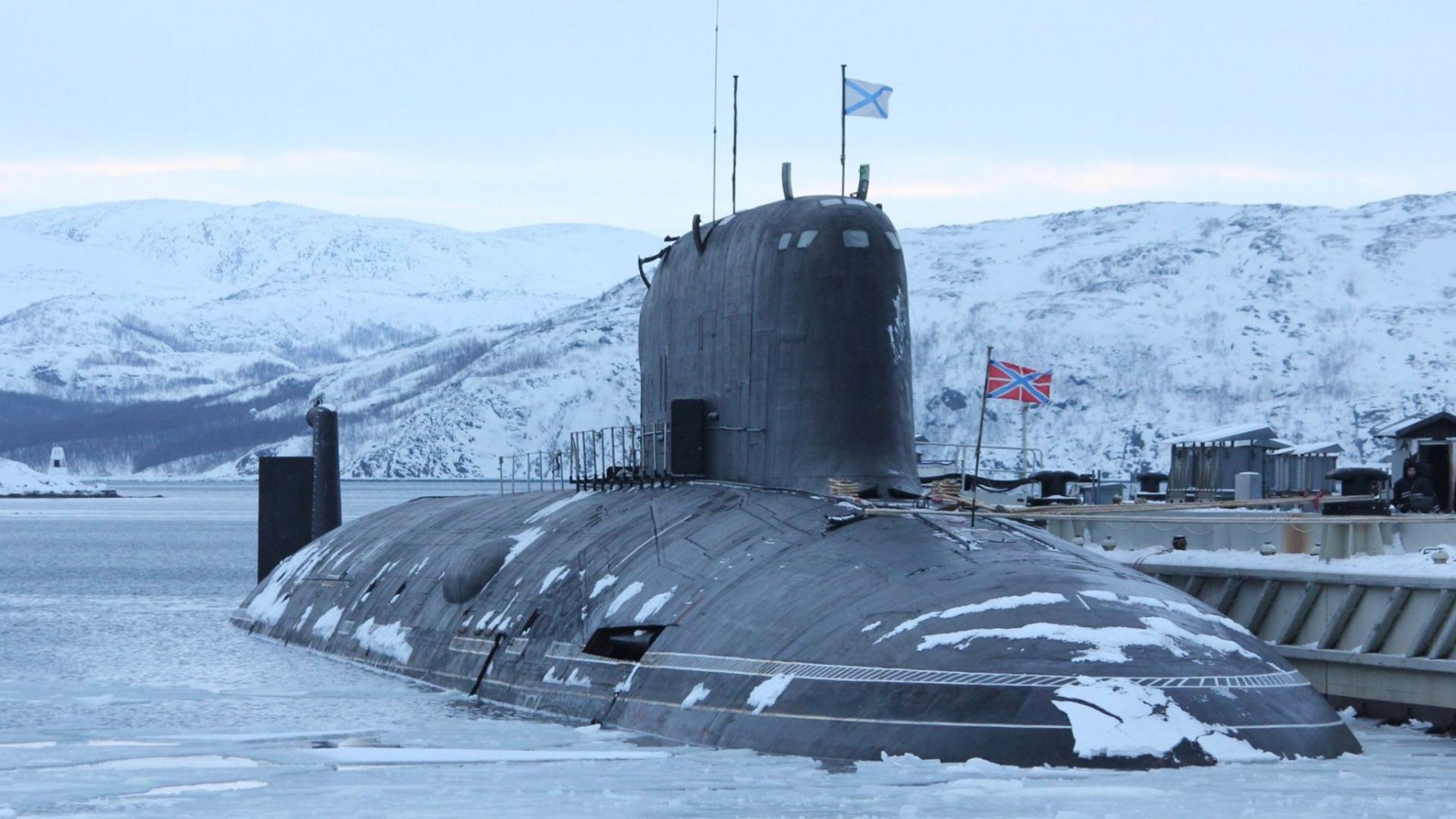
Recent military operations have already demonstrated the type of surveillance this agreement will formalize. Interesting Engineering notes that British and Norwegian forces recently tracked a Russian Akula-class attack submarine alongside two specialized research vessels for over a month. These Russian ships, linked to the GUGI deep-sea directorate, are allegedly designed for surveying and potentially sabotaging underwater infrastructure, although no physical damage to pipelines or cables was recorded during that specific encounter.
While the agreement marks a significant step toward practical coordination, several operational details remain unconfirmed. The exact number of vessels and aircraft each nation will contribute, as well as the specific command structure for joint missions, has not been publicly detailed. Interesting Engineering indicates that the signing ceremony is scheduled to take place on the aircraft carrier HMS Prince of Wales just before the start of the Atlantic Future Forum.
The Industry Pulse Bottom Line
This pact signals a move toward distributed naval responsibility, where European allies provide the primary maritime security layer for the North Atlantic to offset the United States' strategic pivot toward Asian theaters.