
Spaceium Launches One-Dollar OpenPort to Standardize Orbital Refueling
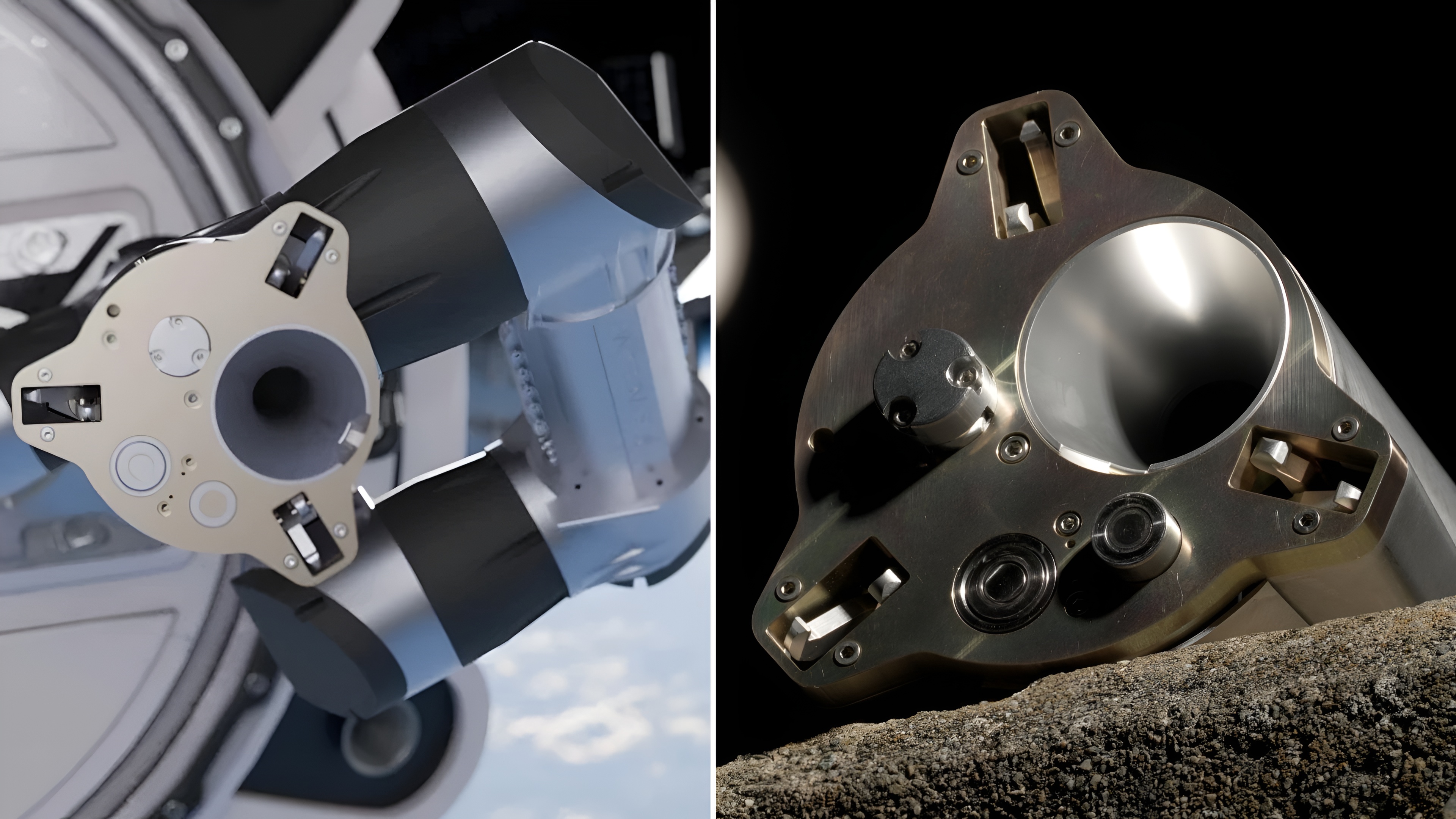
Startup Spaceium has introduced OpenPort, an open-source spacecraft docking interface available for a one-dollar licensing fee. According to Interesting Engineering, the androgynous hardware aims to replace proprietary fill-and-drain valves with a universal standard, allowing satellites to exchange propellant in orbit and potentially extending the operational lifespan of multi-million dollar assets.
Context from Industry Pulse
The introduction of OpenPort arrives as the space sector shifts toward a circular orbital economy. Current satellite operations are limited by fixed fuel reserves, a constraint that Spaceium’s founders, Ashi Dissanayake and Reza Fetanat, aim to remove. By positioning the interface as a low-cost, open-source standard, the company is attempting to bypass the compatibility hurdles that have historically slowed orbital servicing. This strategy targets a diverse range of customers, from geostationary satellite operators to those managing lunar logistics. As the company expands its engineering team for the upcoming ISS xenon test, the success of the mission will likely dictate whether the industry adopts a unified docking standard or continues with fragmented systems.
The aerospace industry faces a persistent sustainability challenge as functional satellites are frequently retired simply because they lack propellant for orbital maneuvers. Interesting Engineering reports that Spaceium is addressing this inefficiency by releasing the design for OpenPort, a hardware interface that costs only one dollar to license and manufacture. This move seeks to end the fragmentation caused by manufacturers developing incompatible, proprietary refueling connections that prevent different spacecraft from assisting one another.
The hardware features an androgynous design, meaning any two equipped vessels can connect to transfer fuel regardless of which acts as the tanker. Spaceium claims the interface is engineered to handle significantly higher pressures and greater docking misalignments than existing alternatives. By serving as a replacement for traditional ground-only fueling valves, the port remains functional throughout a mission, enabling satellites to receive liquid reserves long after they have left the launchpad.
To prove the utility of the hardware, Interesting Engineering notes that the company is preparing for a landmark demonstration aboard the International Space Station. Functioning as a NASA-approved external payload, the mission will involve the first-ever orbital transfer of xenon between two tanks. This test follows a successful February 2026 mission where the company validated its precision robotic actuator technology during a SpaceX rideshare flight.
While the port itself is priced for mass adoption, the company's long-term business strategy focuses on establishing a network of automated refueling stations. Spaceium plans to deploy these fuel depots across low Earth orbit and geostationary orbit, with future sights set on the routes to the Moon. By providing propellant as a service, the company hopes to support a new generation of orbital transfer vehicles and lunar missions that no longer need to launch with their entire fuel supply on board.
The Industry Pulse Bottom Line
Spaceium’s one-dollar interface seeks to commoditize orbital docking. If the upcoming xenon transfer succeeds, it could transform satellites from disposable assets into refillable infrastructure, fundamentally altering mission planning and lifespan expectations for spacecraft.