
SpaceX Deploys Classified USSF-432 Payload via Falcon 9 Booster B1095
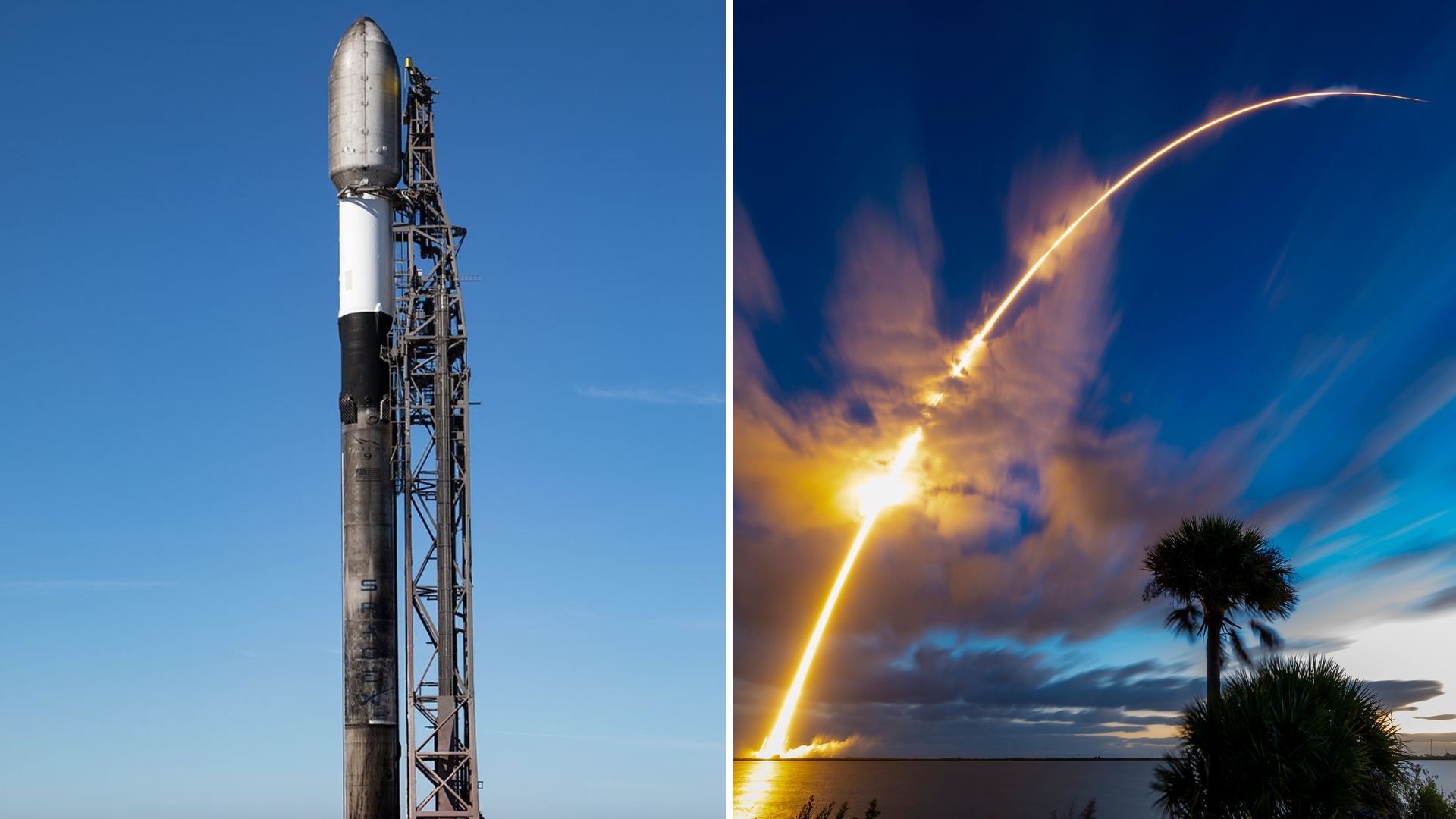
SpaceX successfully launched the classified USSF-432 mission for the U.S. Space Force from Vandenberg Space Force Base on November 7. As Interesting Engineering reports, the mission utilized a Falcon 9 rocket to deliver a national security payload into orbit, followed by a precision landing of the first-stage booster on an autonomous droneship in the Pacific Ocean.
Context from Industry Pulse
The USSF-432 launch highlights the increasing integration of commercial satellite architectures into national security frameworks. By utilizing platforms like Starshield, which leverages commercial network technology for specialized military requirements, the U.S. Space Force can rapidly expand its sensing and targeting capabilities. The mission's classified status prevents a full technical audit of the hardware, yet the deployment aligns with broader efforts to monitor large geographic areas from space. Furthermore, the reliance on flight-proven boosters like B1095 demonstrates the maturity of the Falcon 9 recovery cycle, allowing the military to maintain a consistent orbital presence through a high frequency of launches and reused infrastructure.
"Space-based sensing and targeting systems can help military operators monitor activity across large geographic areas. They can also provide information that supports operational planning."
The USSF-432 mission, which is also identified by the designation R-4, lifted off from Space Launch Complex 4E in California. According to reporting from Interesting Engineering, the specific capabilities and objectives of the spacecraft remain undisclosed by military officials. However, analysts suggest the mission is linked to the military sensing and targeting portfolio, a program designed to enhance orbital data collection and operational support for the U.S. Space Force.
Technical assessments provided by Interesting Engineering indicate the payload may include satellites derived from the Starshield platform. This specific architecture was developed by SpaceX to meet the specialized needs of government clients, integrating secure communications and Earth observation tools based on existing commercial technology. Neither the government nor the launch provider has confirmed the number of satellites deployed or their specific configurations.
The mission featured the eighth successful flight for the first-stage booster known as B1095. This hardware previously supported the GPS III-8 navigation satellite launch and six separate Starlink missions. After the two stages separated during flight, the booster performed a controlled descent toward the Of Course I Still Love You droneship. The recovery vessel was positioned in the Pacific Ocean to facilitate the landing sequence.
Following the landing, the booster will undergo inspection and refurbishment to prepare for future assignments. Interesting Engineering notes that this reuse strategy is central to maintaining a high launch cadence while reducing the manufacturing requirements for new hardware. By reclaiming flight-proven boosters, the company continues to support the expanding orbital operations of the national security infrastructure.
The Industry Pulse Bottom Line
SpaceX’s successful delivery of the USSF-432 payload reinforces the military's dependence on reusable launch systems and modified commercial satellite platforms to enhance space-based sensing, targeting, and secure communications for national security operations.