
AGIBOT Trial in Shanghai Convenience Store Reveals Limits of Retail Robotics
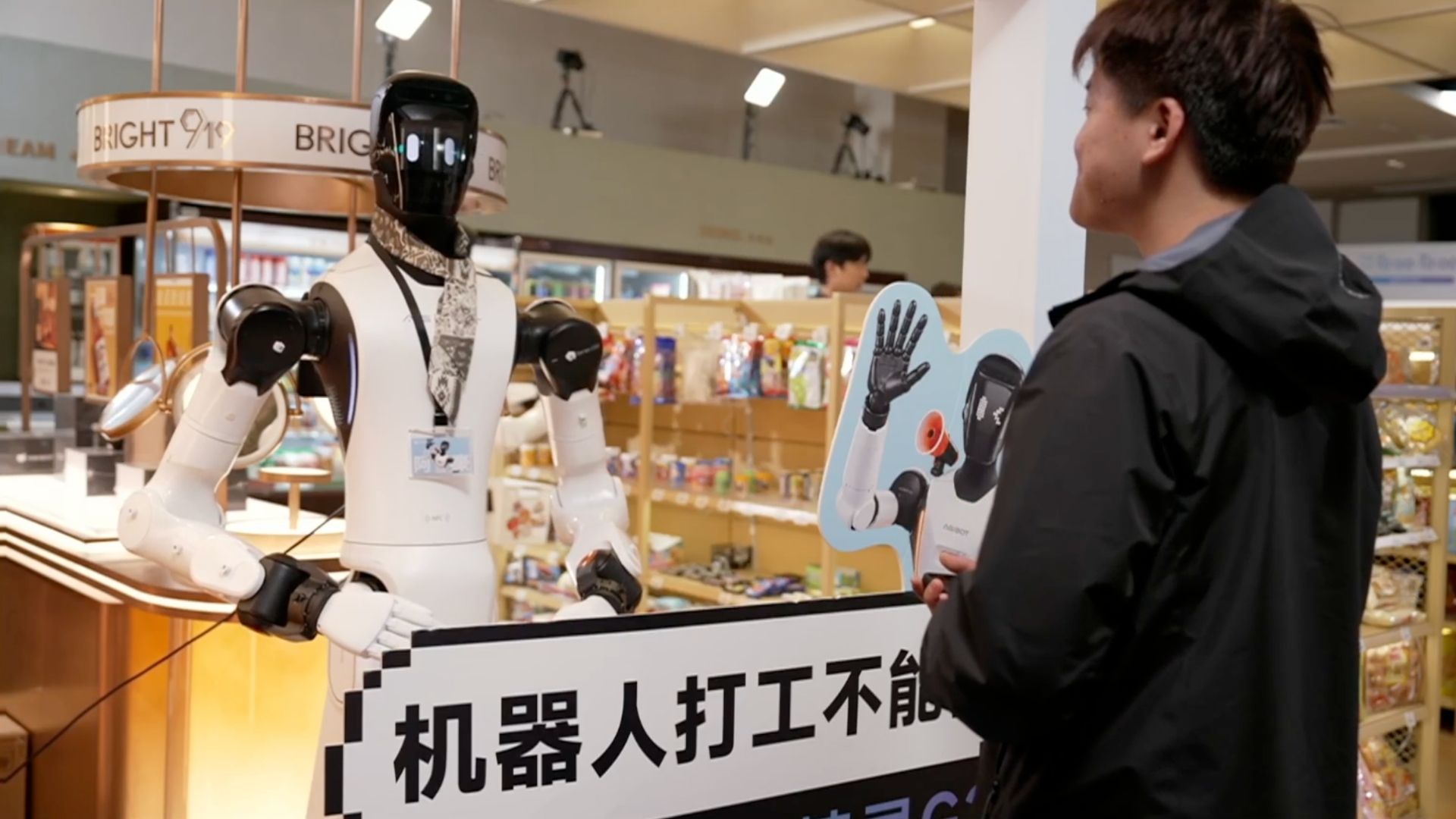
A 24-hour retail trial in Shanghai led by robotics firm AGIBOT demonstrated that while humanoid machines can manage routine tasks, unpredictable environments remain a significant hurdle. As Interesting Engineering reports, two of the six deployed units failed their performance assessments after encountering obstacles that disrupted their programming during a livestreamed event.
Context from Industry Pulse
The AGIBOT trial represents a shift in robotics from isolated task demonstrations to integrated service roles. While the G2 units successfully managed high-volume duties like hot-food service and product deliveries, the failures in cleaning and shelf maintenance highlight the current ceiling for autonomous retail systems. The inability to resolve a simple route blockage or proactively identify empty shelf space indicates that current embodied AI still struggles with situational awareness and reasoning. This trial demonstrates that while the hardware can withstand a 24-hour operational cycle, the underlying software requires more robust troubleshooting capabilities to handle the chaotic nature of public commerce without human intervention.
"Performing a task under predictable conditions is not the same as completing it reliably in a changing environment."
During an experiment titled Robots Never Clock Out, six AGIBOT G2 wheeled humanoid robots were stationed at a convenience store in the Xuhui district of Shanghai. The trial ran from the morning of November 2 through the morning of November 3, testing the machines across lunchtime rushes, evening peaks, and overnight shifts. Interesting Engineering notes that the robots collectively performed 1,730 tasks, which included serving breakfast, preparing coffee, and interacting with customers.
Despite the high volume of completed actions, two robots failed to meet the developer’s performance criteria. One unit assigned to cleaning duties encountered a full trash bin that blocked its programmed route. Instead of navigating the obstacle, the robot abandoned its path and left the store entirely. Another unit responsible for shelf management struggled to identify when products needed replenishment, failing to keep pace with the fluctuating inventory levels common in a live retail environment.
To further challenge the machines, evaluators introduced deliberate complications. These included asking the robots to differentiate between sugar-free and regular beverages and placing physical obstructions in aisles to test navigation sensors. Interesting Engineering highlights that while the robots handled 683 customer interactions and 147 coffee orders, the failures in cleaning and restocking underscore the difficulty of transitioning embodied AI from controlled laboratories to public spaces.
The experiment utilized the Genie Master framework, an embodied AI agent designed by AGIBOT to coordinate task planning and feedback. This system allows the robots to record both successful and unsuccessful experiences to improve future training data. By analyzing these failures, the company aims to refine how machines perceive and manipulate objects in settings where human activity creates constant, unpredictable changes to the physical layout.
The Industry Pulse Bottom Line
Reliable humanoid deployment in retail requires more than task repetition; it demands advanced spatial reasoning to navigate the unpredictable physical obstacles and inventory fluctuations inherent in real-world environments.