
Paul Scherrer Institute Links Brown Carbon to Wildfire Nitrogen Oxide Surges
Researchers at the Paul Scherrer Institute have identified a chemical mechanism that explains why nitrogen oxide levels remain high in distant wildfire plumes. According to reporting by Interesting Engineering, the team used a wood-burning stove to demonstrate how brown carbon acts as a catalyst, accelerating nitrate conversion tenfold compared to standard atmospheric processes.
Context from Industry Pulse
The research highlights the complex chemical interactions within wildfire plumes that impact global air quality. Wildfires are distinct from fossil fuel combustion because they release significant amounts of brown carbon alongside soot and carbon dioxide. As reported by Interesting Engineering, these pollutants can travel across entire continents, carrying nitrogen oxides that contribute to respiratory issues and the greenhouse effect. By pinpointing the role of organic particulate matter in regenerating nitrogen oxides, engineers and climate scientists can develop more accurate models for predicting how massive biomass fires influence long-term atmospheric health and urban pollution levels far from the original burn site.
"brown carbon absorbs soft UV light, enters an excited state and donates an electron to nitrate, converting it to nitrogen oxide."
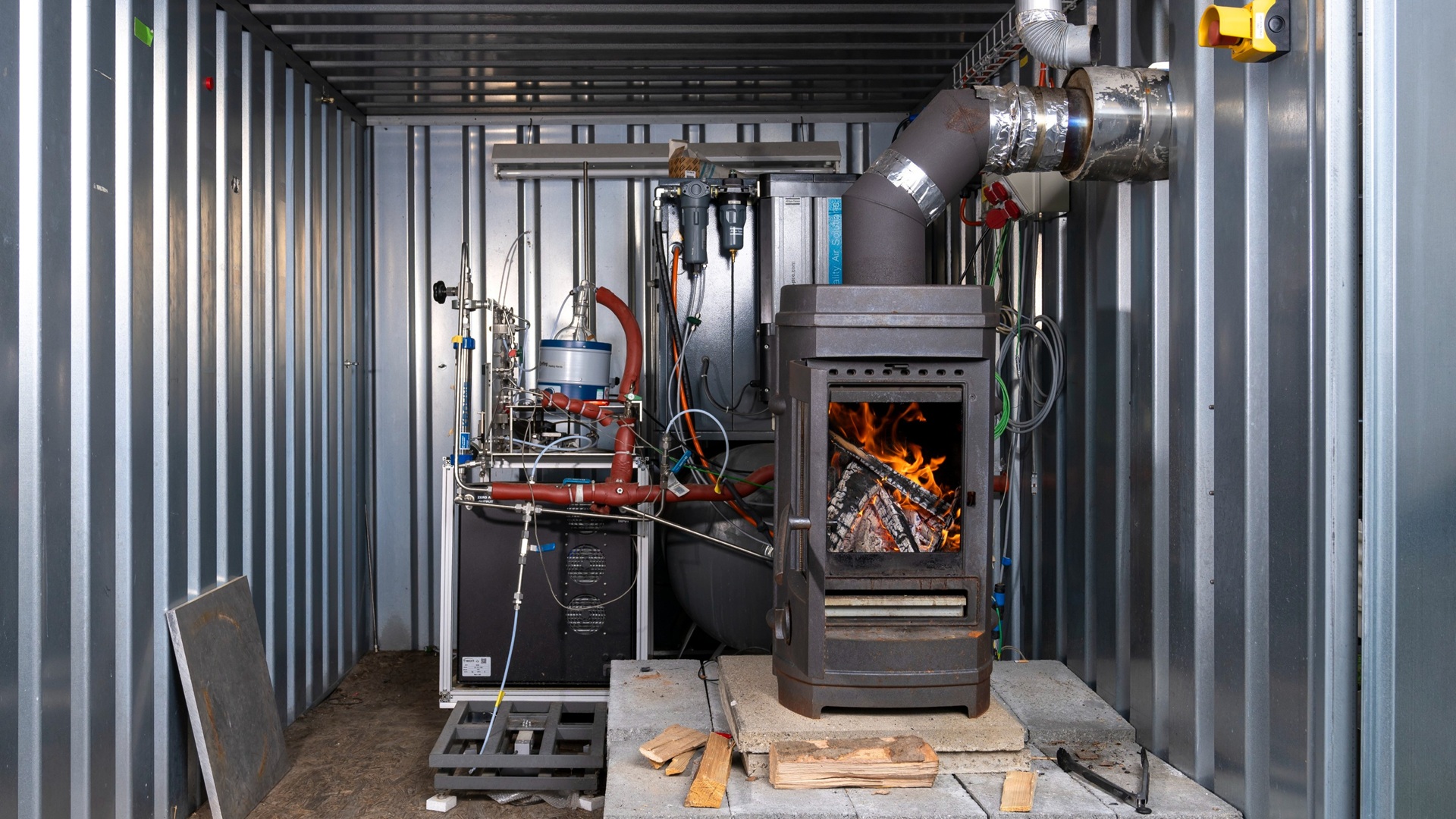
Scientists led by Markus Ammann and Fengxia Bao utilized a controlled wood-burning stove to replicate the specific conditions of biomass combustion found in wildfires. By restricting air supply to the stove, the team generated high concentrations of brown carbon, a component of organic particulate matter known to absorb visible light. This material was then dissolved and exposed to various ultraviolet light frequencies to observe its reaction with nitrates.
As Interesting Engineering reports, the experiment revealed that brown carbon facilitates an indirect chemical pathway. When exposed to soft UV light, brown carbon enters an excited state and transfers an electron to nitrate, which then converts back into nitrogen oxide. This specific reaction occurs at ten times the speed of the previously understood hard-UV photolysis process, which atmospheric scientists previously considered too slow to account for observed pollutant levels.
The findings offer a solution to an atmospheric puzzle regarding the persistence of nitrogen oxides. These gases typically oxidize into nitric acid and settle as nitrates in soil via rainfall. However, observations of smoke traveling from Canada to the Swiss Alps showed higher nitrogen oxide concentrations than traditional models predicted. The discovery of the brown carbon pathway provides a physical explanation for how these pollutants are regenerated mid-flight.
While the study clarifies a significant portion of the nitrogen oxide cycle, the researchers noted that other formation pathways likely exist to account for the remaining atmospheric balance. Future testing at the Paul Scherrer Institute will aim for higher realism by using unfiltered materials within a larger simulation chamber. This research, published in Science Advances, was supported by the ReCLEAN project under the ETH Board.
The Industry Pulse Bottom Line
This discovery of a tenfold acceleration in nitrogen oxide production via brown carbon provides a critical mechanism for atmospheric models, improving the accuracy of air quality forecasts and climate impact assessments for wildfire events.