
Thales Unveils Modular 20-Foot Containerized Naval Mission System for Hybrid Fleets
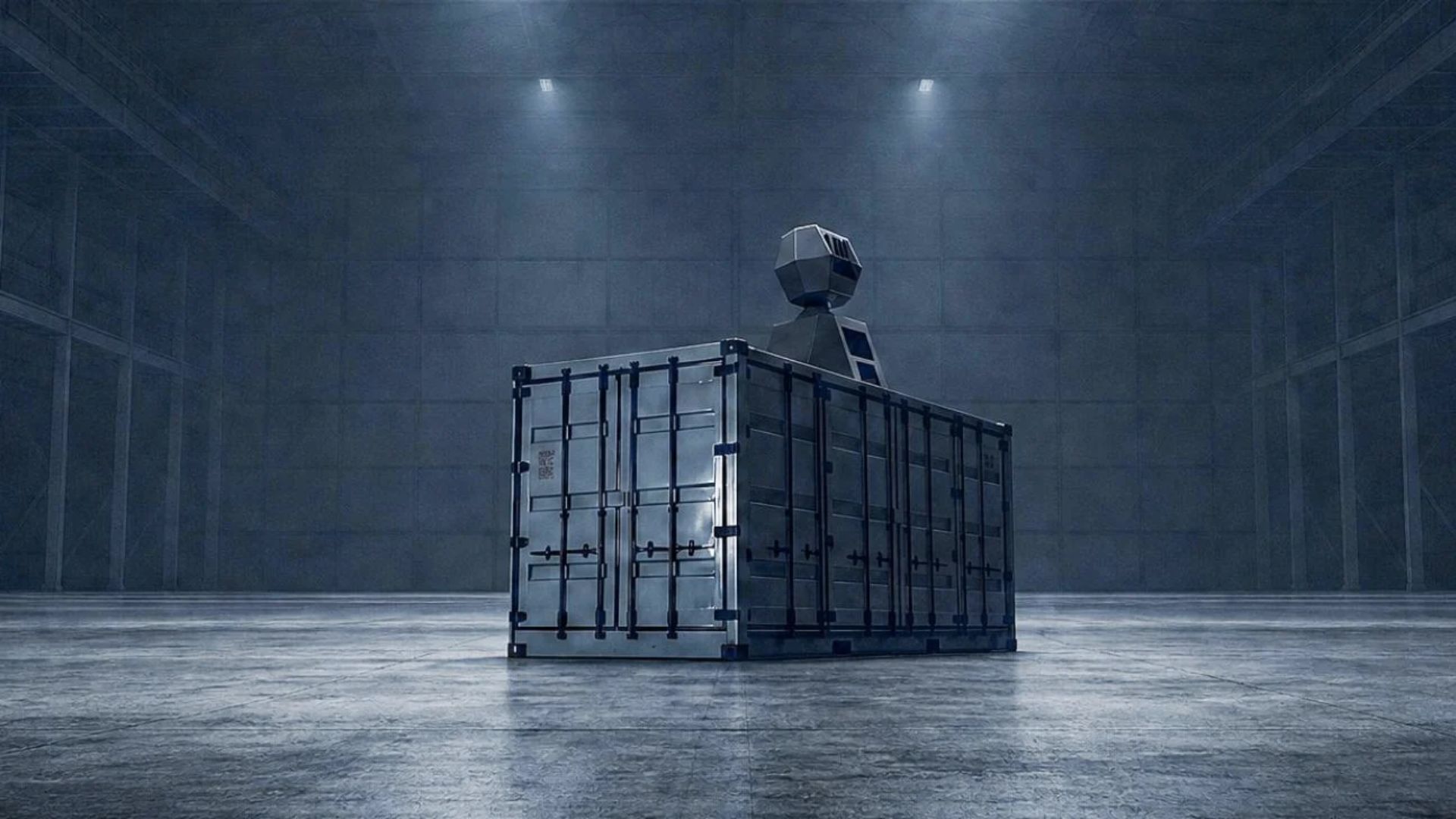
French defense firm Thales has introduced the Maritime Modular Capability at the Euronaval 2026 exhibition in Paris. As Interesting Engineering reports, the system consolidates surveillance, fire control, and communication tools into a standard shipping container to provide naval forces with rapid deployment options and mission flexibility across diverse vessel types.
Context from Industry Pulse
The introduction of the Maritime Modular Capability aligns with broader defense trends reported by Interesting Engineering, such as the increasing reliance on classified military missions and large-scale multinational naval exercises involving dozens of ships. As navies integrate unmanned systems alongside traditional aircraft and vessels, the demand for swappable, modular hardware becomes critical. This technological evolution mirrors a shift toward hybrid naval operations where adaptability and rapid reconfiguration are prioritized to counter evolving maritime threats. By decoupling mission sensors from the hull design, defense contractors allow naval forces to modernize their electronic and surveillance suites without the high costs associated with permanent structural modifications to long-serving warships.
The Maritime Modular Capability represents a shift in naval engineering by housing advanced sensors and electronic warfare systems within a single 20-foot container. This design allows for the rapid integration of radars, sonars, and navigation tools onto ships that may not have been originally built for specific high-intensity combat or reconnaissance roles. According to Interesting Engineering, the architecture is intended to solve the logistical bottleneck of permanent hardware installations, which often require significant time and financial investment to modify.
By utilizing this containerized format, naval forces can reconfigure their platforms to meet evolving threats without taking vessels out of service for extended dry-dock periods. Interesting Engineering notes that the system is built to be expandable, allowing for the addition of new mission-critical technologies as they are developed. This modularity is particularly relevant for maintaining the operational relevance of warships that are expected to remain in active service for several decades.
The deployment of this technology supports the emergence of hybrid navies, which combine traditional crewed warships with unmanned or remotely operated maritime platforms. As reported by Interesting Engineering, the modular units can be moved between different platforms, including smaller support vessels, to extend the operational reach and surveillance coverage of a fleet. This approach enables a more versatile distribution of electronic warfare and reconnaissance capabilities across a wider array of sea-based assets.
Ultimately, the system functions as a force multiplier by providing a cost-effective alternative to building specialized platforms for every maritime security requirement. Interesting Engineering highlights that this flexibility is essential for modern naval operations, where mission profiles can shift rapidly from conventional warfare to maritime security or surveillance. The standardized container format ensures that the technology remains mobile and adaptable to various operational environments worldwide.
The Industry Pulse Bottom Line
Thales' modular system addresses the gap between long warship lifespans and rapid sensor evolution, offering a mobile solution that transforms standard vessels into specialized mission platforms for hybrid naval warfare.