
NASA Advances Nuclear Propulsion Systems for Deep Space Transit
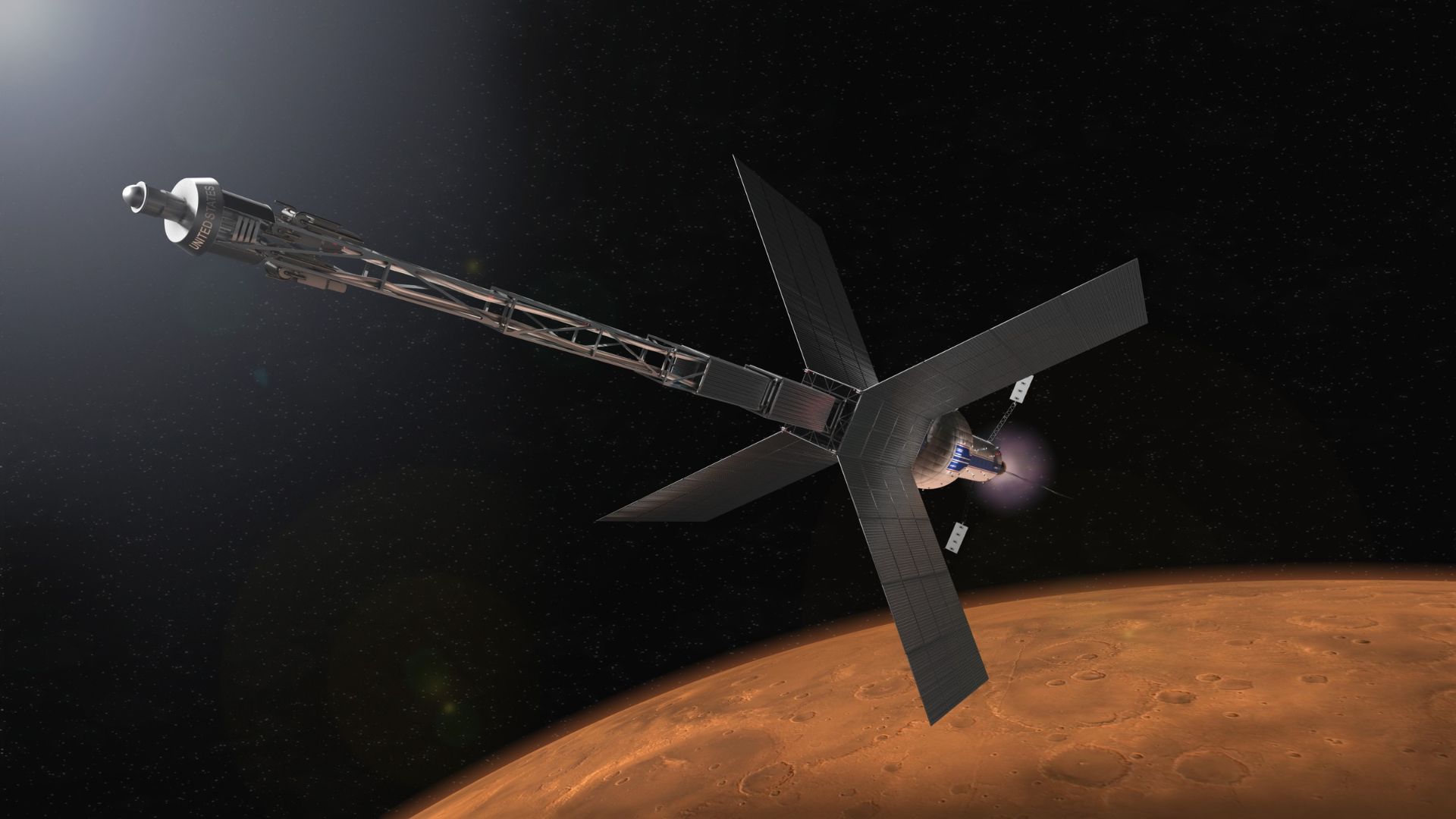
As solar energy effectiveness diminishes beyond Mars, NASA is prioritizing nuclear-powered spacecraft to facilitate deep space exploration. According to Interesting Engineering, these technologies utilize atomic reactions rather than chemical propellants to power missions to the outer solar system, potentially reducing travel times to Mars and enabling heavy-duty research on icy moons like Europa.
Context from Industry Pulse
The shift toward nuclear propulsion coincides with a broader push in engineering to overcome traditional energy constraints. While Recent reports from Interesting Engineering highlight advancements in battery chemistry and underwater drone recharging, the scale of deep space exploration requires energy density that chemical or solar systems cannot provide. NASA’s current focus on HALEU fuel and fission prototypes like SR-1 reflects a strategic move to solidify infrastructure on the Moon and Mars. By moving from the passive energy collection of solar panels to active onboard nuclear reactors, the agency aims to sustain the high-power demands of complex science arrays and heavy machinery in environments where sunlight is insufficient.
"High-efficiency nuclear thermal engines might cut crewed travel times to Mars down to 45–60 days, reducing astronaut exposure to space radiation and life-support hazards."
To overcome the limitations of chemical rockets and solar panels, NASA is developing hardware focused on two primary nuclear technologies. Radioisotope systems, which have supported missions like Voyager for decades, utilize decaying plutonium-238 to create heat for electricity. In contrast, fission systems employ controlled reactors to generate significant power for ion engines or thermal thrust. Interesting Engineering reports that current prototypes under the SR-1 Freedom initiative aim to demonstrate these capabilities beyond Earth's orbit.
Engineers are currently testing lightweight fission surface units designed to provide 10 to 40 kilowatts of continuous power. These systems are intended to support future lunar and Martian bases where traditional energy sources may be inconsistent. Additionally, research into High-Assay Low-Enriched Uranium fuel formulations is underway to ensure engines can manage the extreme operational temperatures and pressures required for next-generation spaceflight.
Beyond power generation, these advancements could fundamentally alter mission timelines. Interesting Engineering notes that high-efficiency thermal engines might shorten crewed trips to Mars to between 45 and 60 days. This reduction in travel time is critical for minimizing astronaut exposure to cosmic radiation and reducing the complexities of long-term life support. Furthermore, nuclear propulsion enables the transport of heavy drilling equipment necessary to explore subsurface oceans on moons like Enceladus.
NASA has a established history with atomic energy, having deployed more than 20 radioisotope systems since the 1960s. Current applications include the Curiosity and Perseverance rovers, which rely on nuclear generators for consistent electrical output on the Martian surface. As the agency targets the Oort cloud and interstellar space, these robust systems provide the longevity required for missions that span human lifetimes.
The Industry Pulse Bottom Line
Nuclear propulsion represents a critical pivot for NASA, moving beyond chemical fuel limits to enable rapid transit and heavy-payload missions that are essential for establishing a long-term human presence in the deep solar system.