
Ford EV Data Shows Battery Health Retains 91 Percent After 100,000 Miles
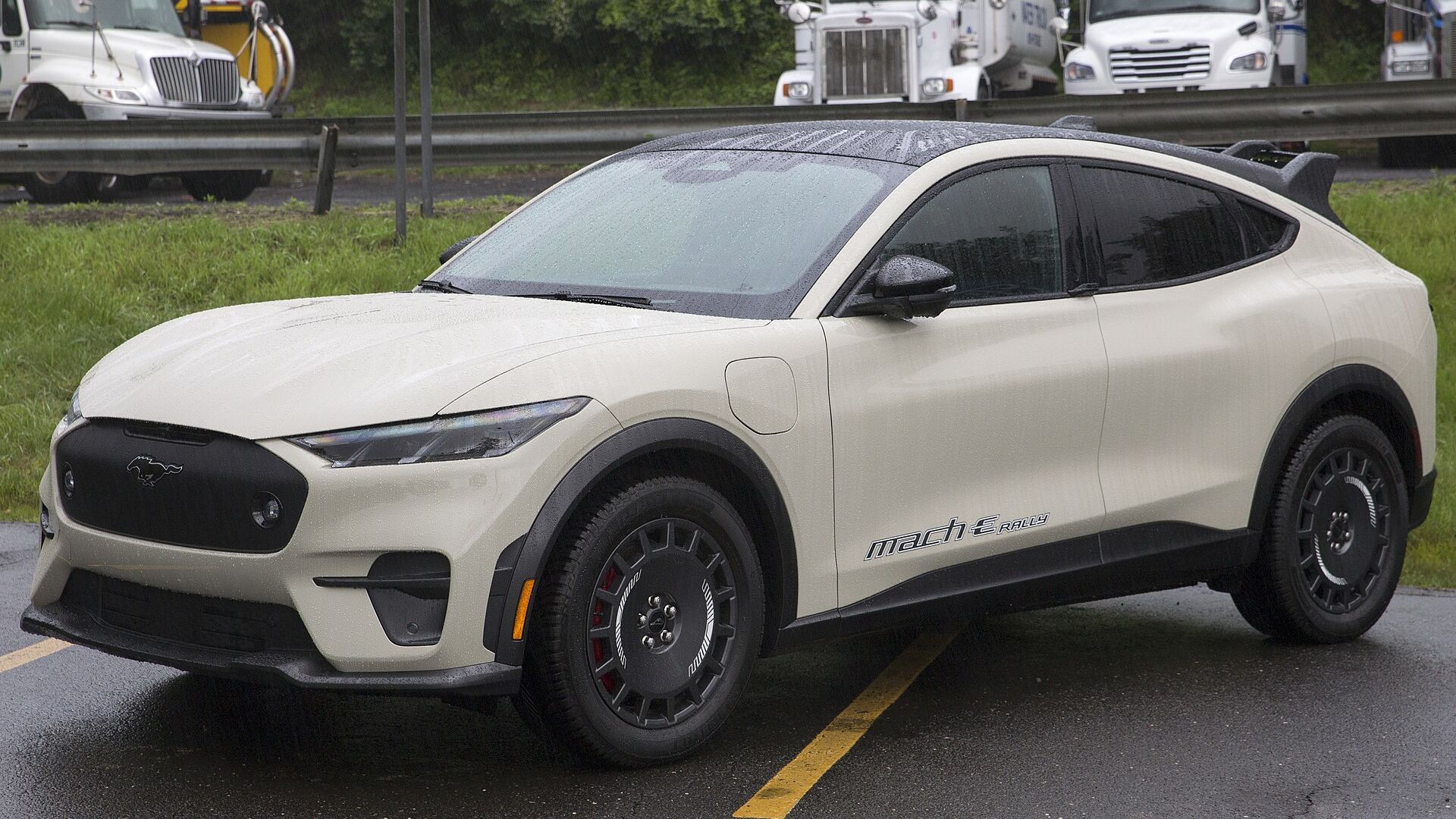
Extensive road data released by Ford reveals that electric vehicle battery packs are maintaining high capacity levels well into high-mileage usage. According to reporting from Interesting Engineering, real-world performance across a fleet of 36,000 Mustang Mach-E vehicles suggests that battery degradation is significantly more predictable and gradual than many early adopters initially feared.
Context from Industry Pulse
The durability of electric vehicle power systems is a critical factor in the broader transition away from fossil fuels. While other recent engineering advancements focus on high-performance components, such as electric motors capable of 30,000 rpm, the longevity of the energy storage system remains the primary concern for long-term ownership costs. Ford’s data addresses these hesitations by demonstrating that modern battery management and varied chemistries, including NCM and LFP, can withstand the rigors of high-mileage daily driving. This evidence of predictable degradation helps stabilize the secondary market for electric vehicles and supports the industry's shift toward sustainable transportation by proving that batteries often outlast the standard vehicle ownership cycle.
Operational data from Ford indicates that the 2021 Mustang Mach-E fleet has collectively traveled approximately two billion miles across North America. Interesting Engineering notes that the average battery health for these vehicles remains at 92 percent. This consistency is visible across various driving conditions and climates, with the vast majority of the fleet maintaining between 87 and 97 percent of their original storage capacity.
The findings become even more significant when examining high-mileage drivers. For the group of more than 2,000 owners who have surpassed the 100,000-mile threshold, usable capacity still averages above 91 percent. Even for a smaller subset of drivers who have exceeded 200,000 miles, the batteries retain 88 percent of their health. One exceptional case involved a 2022 model reaching 400,000 miles without a battery replacement, which the automaker views as part of a predictable aging curve rather than an anomaly.
Modern battery management software plays a critical role in preventing early chemical exhaustion. The study highlights differences in maintenance based on cell chemistry. The nickel-cobalt-manganese units found in earlier models benefit from staying within a 10 percent to 90 percent charge range to reduce voltage stress. In contrast, newer lithium-iron-phosphate packs are better suited for frequent full charges, which helps the onboard systems maintain accurate range calculations.
This large-scale insight provided by Interesting Engineering suggests that electric power units are designed to function for at least a decade. By monitoring these systems across millions of miles, engineers are able to provide tailored charging advice through smartphone applications. This proactive management, combined with robust cell chemistry, appears to be mitigating the steep performance drops that were once a primary concern for the automotive industry.
The Industry Pulse Bottom Line
Real-world fleet data confirms that modern EV batteries avoid sudden capacity drops, maintaining over 90 percent health at 100,000 miles. This predictability validates current battery management software and diverse cell chemistries for long-term use.