
Ford Launches Domestic LFP Battery Cell Production for Upcoming Fathom Electric Pickup
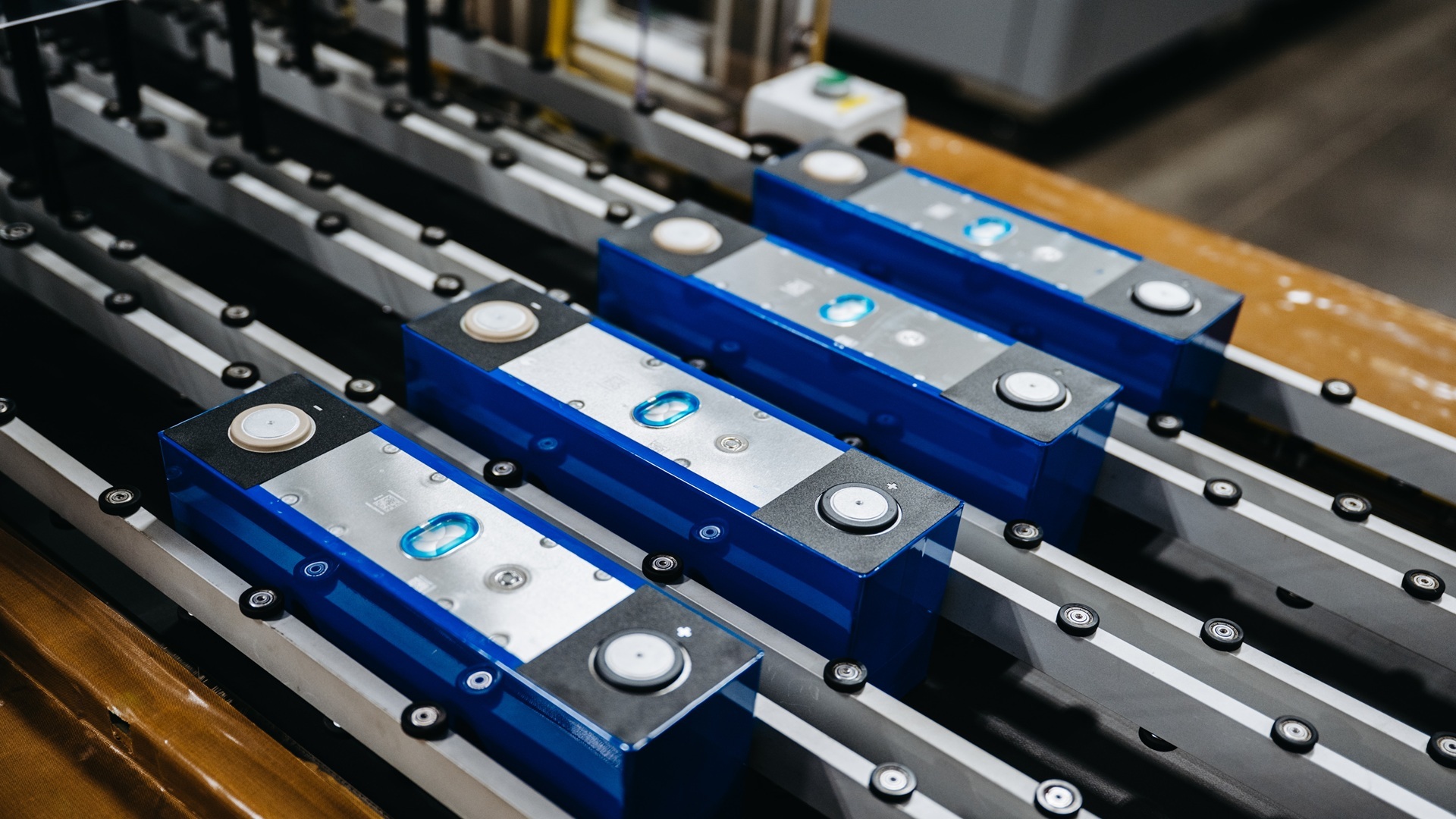
Ford has commenced shipping its first lithium iron phosphate battery cells from the BlueOval Battery Park Michigan, according to Interesting Engineering. These prismatic cells are destined for the Louisville Assembly Plant to power prototypes of the Fathom electric pickup, marking the automaker's first foray into domestic battery manufacturing for consumer automotive use.
Context from Industry Pulse
Ford’s move into domestic LFP production addresses a critical gap in the U.S. electric vehicle supply chain. While Chinese manufacturers have long dominated the LFP market due to the chemistry’s low cost and lack of nickel or cobalt, Ford is utilizing licensed technology to build internal expertise. The integration of cells as structural components in the Universal Electric Vehicle Platform reflects a broader industry trend toward weight reduction and manufacturing simplification. Furthermore, the expansion into stationary energy storage in Kentucky suggests Ford is diversifying its battery applications to maximize the utility of its new domestic manufacturing capacity.
"The Michigan facility is owned and operated by Ford, but its manufacturing technology is licensed from China’s Contemporary Amperex Technology Co. Limited (CATL), the world’s largest electric vehicle battery maker."
The new Michigan facility utilizes manufacturing technology licensed from Contemporary Amperex Technology Co. Limited, an established Chinese battery manufacturer. As Interesting Engineering reports, the plant is capable of producing 40 cells per minute, placing it among the fastest production lines for this specific chemistry outside of China. To maintain high standards, the automaker has implemented automated inspection systems utilizing image-recognition tools to identify defects at a granular level.
Ford selected lithium iron phosphate chemistry for its Universal Electric Vehicle Platform due to its cost-efficiency and durability. Unlike standard lithium-ion batteries, this chemistry does not rely on expensive materials like nickel or cobalt. Interesting Engineering notes that these prismatic cells are designed to fit directly into the vehicle chassis, serving as a structural component. This design philosophy aims to reduce the overall number of parts and total vehicle weight while simplifying the manufacturing process.
The initial shipments of these rectangular cells will support the engineering and development phases of the Fathom pickup prototypes. Beyond vehicle applications, the production expertise gained at the Marshall plant is expected to support battery energy storage initiatives in Kentucky. Ford intends to bring an additional battery pack facility online in 2027 to coincide with the official launch of the Fathom.
By establishing domestic production, Ford seeks to make its next generation of electric vehicles more competitive against traditional internal combustion engines. Interesting Engineering indicates that the long service life of these batteries makes them ideal for bidirectional home power applications. This strategic shift from factory construction to active cell supply represents a significant milestone in the automaker's effort to localize the supply chain for affordable electric mobility.
The Industry Pulse Bottom Line
Ford’s transition to domestic LFP manufacturing for the Fathom pickup signals a strategic focus on cost reduction and supply chain security, leveraging licensed technology to compete in the increasingly price-sensitive electric vehicle market.