
Duke Energy Florida Targets 300 MW Expansion with Four New Solar Facilities
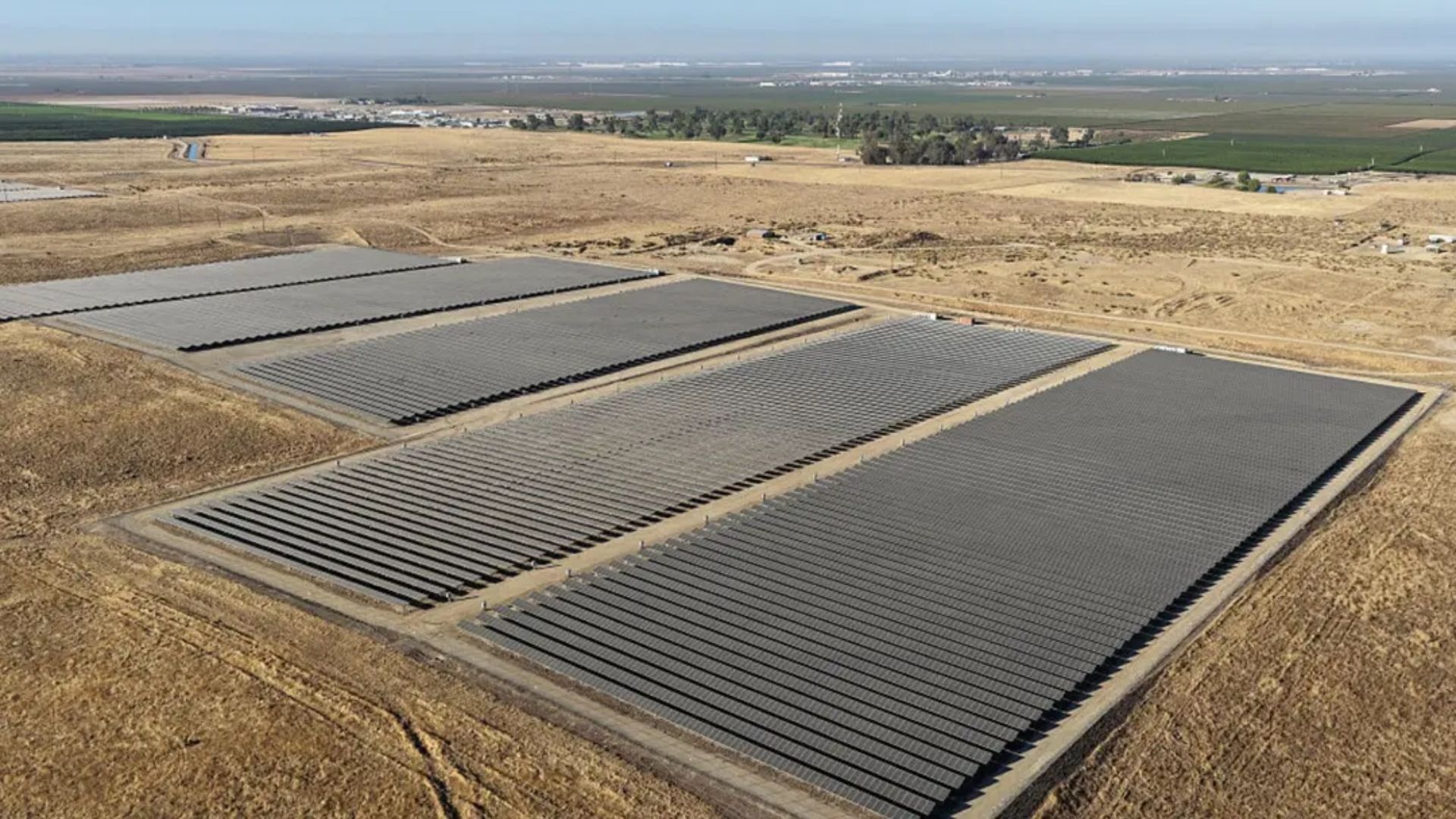
Duke Energy Florida has submitted proposals to the Florida Public Service Commission for four new utility-scale solar sites. As Interesting Engineering reports, these facilities will contribute a combined 300 megawatts of emissions-free power to the state grid by mid-2028, helping the utility manage increasing electricity demand while shifting toward a more renewable generation mix.
Context from Industry Pulse
The expansion reflects a significant pivot in Florida's energy infrastructure, moving from heavy reliance on fossil fuels toward a diversified renewable portfolio. By integrating 300 MW of solar capacity alongside a planned 1 GW battery storage rollout, Duke Energy Florida is addressing the intermittent nature of solar power. This strategy targets the offset of substantial quantities of natural gas, fuel oil, and coal, which currently dominate the generation mix. The projected 1 billion dollars in fuel-related savings highlights the economic transition of utility-scale renewables from environmental alternatives to primary cost-saving measures for the state's growing consumer base.
The proposed expansion includes three facilities situated in Orange County and one in Sumter County. According to reporting from Interesting Engineering, the Orange County locations are named the Nova, Bull Creek, and Wewahootee Renewable Energy Centers. Construction for the Nova and Bull Creek sites is scheduled to begin early next year, while work on the Wewahootee site is slated for May 2027. The fourth project, known as the Hogeye Renewable Energy Center, represents the single planned addition for Sumter County. All four facilities are expected to reach operational status by June 2028.
While the specific generating capacity of each individual site remains undisclosed, the collective output will bolster a portfolio that currently includes 25 solar sites providing 1,850 megawatts to the grid. Interesting Engineering notes that each of these existing sites possesses the capacity to power approximately 15,000 homes. By integrating these new photovoltaic systems directly into the regional transmission network, the utility aims to maintain service reliability while diversifying its fuel sources.
Financial projections indicate that these projects could result in significant long-term savings for customers. Interesting Engineering indicates that the transition to solar could save approximately 1 billion dollars over the lifetime of the facilities by reducing the need for traditional fuel purchases. On an annual basis, each site is expected to offset the consumption of 9,000 tons of coal, 12,000 barrels of fuel oil, and 1.1 million cubic feet of natural gas.
The solar initiative is part of a broader ten-year strategy to reinforce the state power grid. This plan includes the deployment of over 1 gigawatt of battery storage capacity. These storage systems are intended to capture excess energy during periods of low demand, allowing the utility to provide solar-generated power even when sunlight is unavailable. This integrated approach focuses on providing cost-effective and safe electricity as the state population and energy requirements continue to grow.
The Industry Pulse Bottom Line
Duke Energy Florida's 300 MW solar proposal and 1 GW battery storage plan signal a major shift toward high-capacity renewable infrastructure designed to stabilize costs and meet rising state demand through 2028.