
FAA Authorizes Sierra Space for Runway Landings at Vandenberg Space Force Base
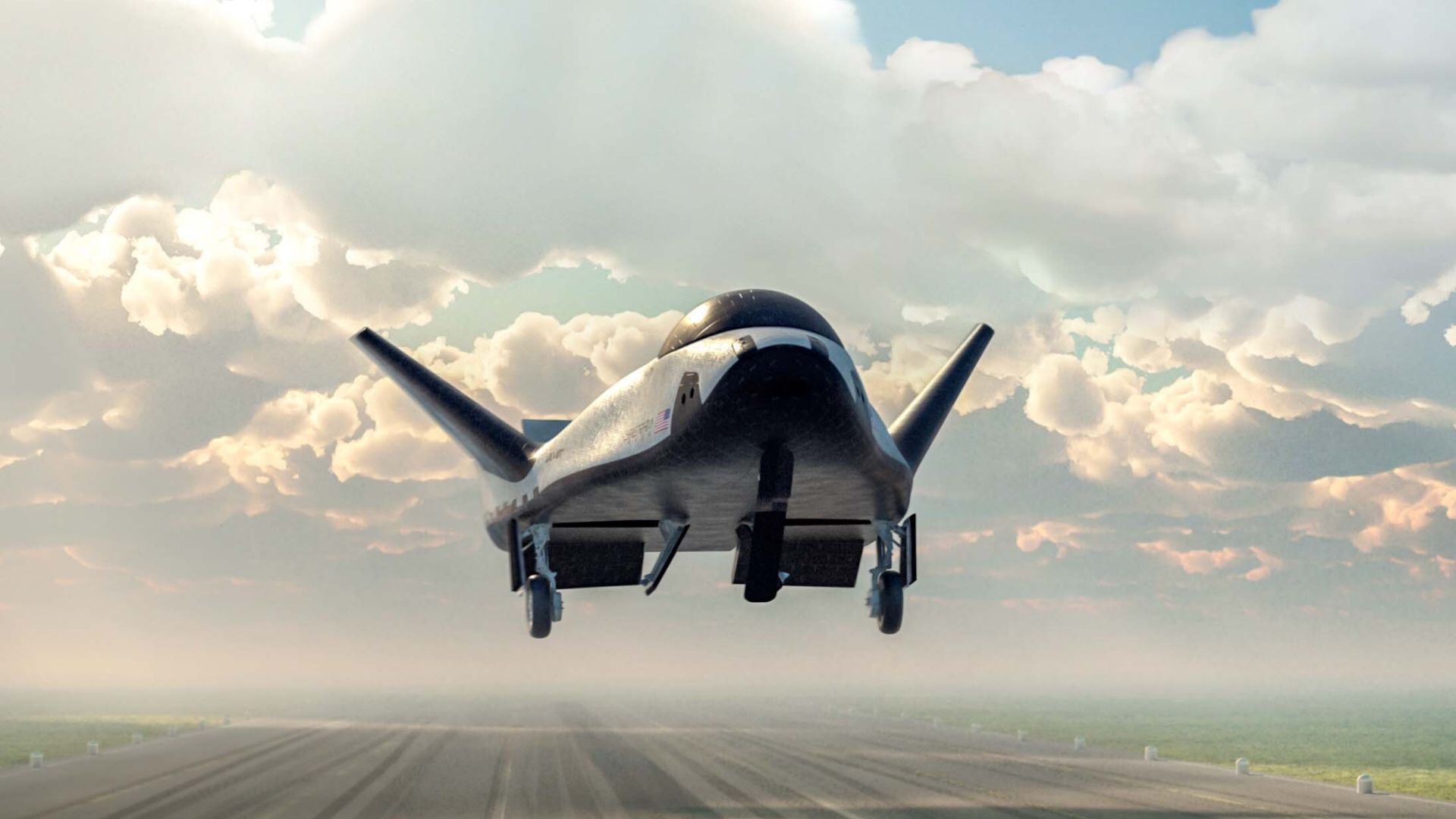
According to reporting from Interesting Engineering, Sierra Space has secured a five-year FAA vehicle operator license for its Dream Chaser spaceplane. The authorization permits the Tenacity spacecraft to perform runway landings at Vandenberg Space Force Base in California, clearing a significant regulatory hurdle for the long-delayed orbital cargo platform.
Context from Industry Pulse
The transition from ocean splashdowns to runway landings marks a shift in cargo recovery logistics. Conventional capsules utilize parachutes for ocean landings, necessitating complex maritime recovery operations that can be hard on sensitive scientific equipment. By utilizing a lifting-body design that experiences low gravitational forces during reentry, Sierra Space aims to cater to commercial and national security clients who require gentle handling of orbital payloads. This regulatory milestone at Vandenberg Space Force Base establishes the operational infrastructure necessary for a reusable spaceplane to function within existing aviation parameters, potentially simplifying the post-flight supply chain for orbital experiments.
"The five-year license permits up to four reentries annually under an unchanged vehicle configuration and mission profile. Vandenberg now serves as the designated landing location for the spacecraft."
The Federal Aviation Administration issued the landing license on November 9, as Interesting Engineering reports. This permit allows for up to four reentries each year, provided the vehicle configuration and mission profile remain unchanged. While Sierra Space previously considered the Kennedy Space Center as its primary landing site, the new regulatory framework designates the California installation as the primary destination for the spacecraft return.
Tenacity features a lifting-body design with folding wings, allowing it to fit inside the payload fairing of a Vulcan Centaur rocket. During its first mission, the spacecraft is expected to carry roughly 12,100 pounds of cargo into orbit. Upon its return, it can transport 4,080 pounds of material back to Earth. Interesting Engineering notes that the spacecraft is designed to land on runways capable of supporting a Boeing 737, which offers a smoother return environment with forces less than 1.5 times Earth's gravity.
Following a 2025 revision to its NASA agreement, Sierra Space will no longer attempt to dock with the International Space Station during its inaugural demonstration. Instead, the spacecraft will operate as an independent free-flyer. This first flight will carry a mix of NASA cargo and payloads from undisclosed national security and commercial customers. This shift allows the company to prove the platform capabilities before moving toward future resupply contracts.
Despite the new landing authorization, a definitive launch date remains unconfirmed. Mission timing depends on the availability of the United Launch Alliance Vulcan Centaur rocket. While the company previously targeted a late 2026 debut, the final schedule remains tied to the readiness of the launch vehicle and the completion of remaining mission preparations. The runway landing capability represents a departure from traditional capsule recoveries that typically rely on ocean splashdowns.
The Industry Pulse Bottom Line
Securing the FAA landing license transitions Dream Chaser from a development project to a regulated flight asset. The move to runway landings provides a high-stability recovery option for sensitive commercial and military payloads.