
China Deploys Shijian-24 Satellite via Long March 2D in Winter Launch
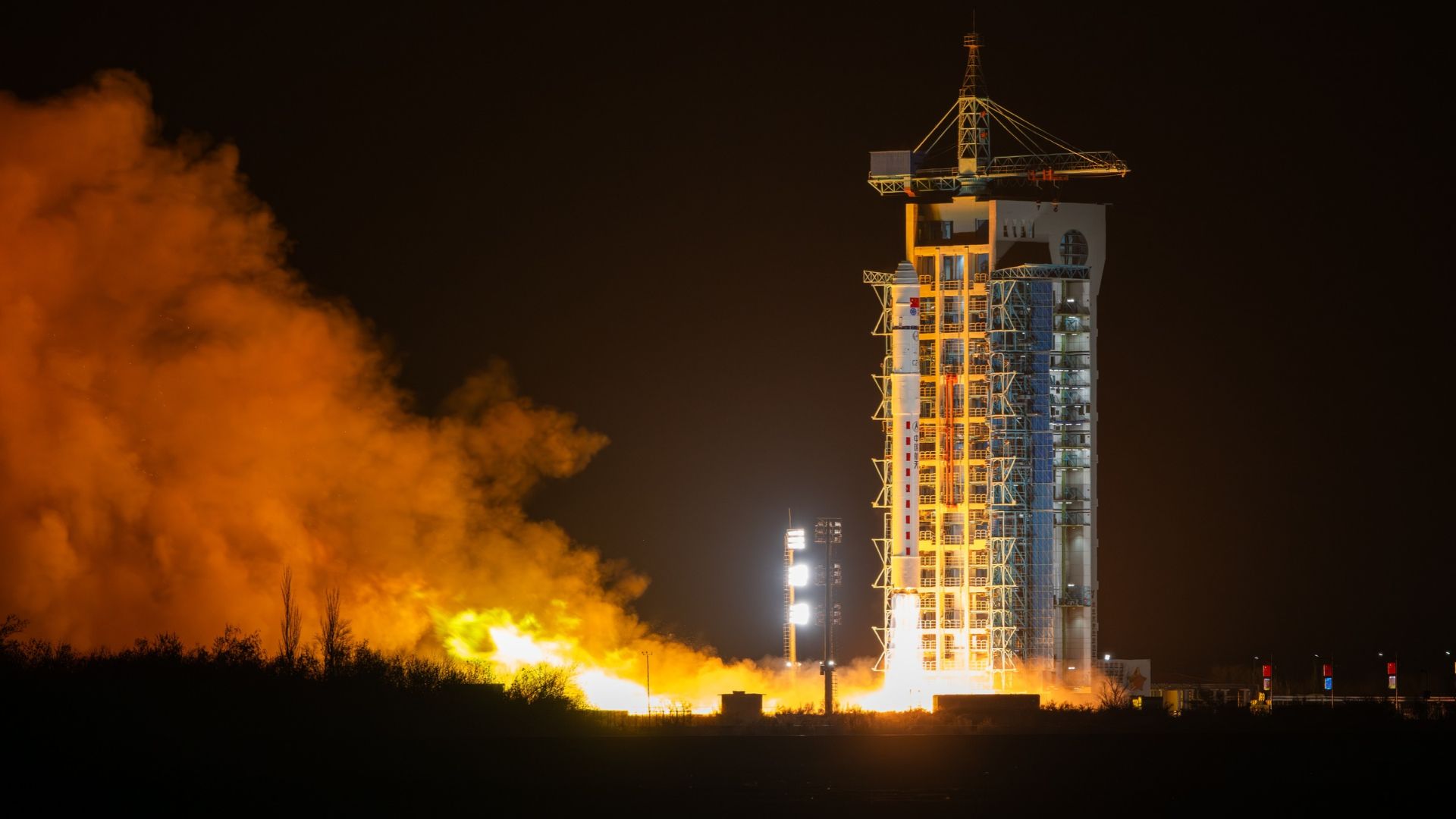
China successfully placed the Shijian-24 experimental satellite into a sun-synchronous orbit following a launch from the Taiyuan Satellite Launch Center on November 19. According to reporting by Interesting Engineering, the mission utilized a Long March 2D rocket, marking the 82nd orbital attempt for the nation in 2026 as it continues to expand its technology-testing capabilities in space.
Context from Industry Pulse
The Shijian-24 mission highlights the operational maturity of China’s space program, specifically its ability to maintain a high launch frequency despite adverse seasonal conditions. By utilizing the Long March 2D, which has now completed over 100 flights, the program demonstrates a reliance on established hardware while simultaneously managing a diverse fleet of experimental platforms. The mix of Shijian and Shiyan missions indicates a bifurcated approach to orbital testing: one branch dedicated to refining operational procedures and another to fundamental technology research. Despite occasional failures like the Shijian-32 mission earlier this year, the 82 orbital attempts in 2026 reflect a robust infrastructure capable of sustained expansion and rapid payload deployment.
"Taiyuan’s cold weather required launch teams to modify their preparations for the Long March 2D. Engineers installed extra thermal insulation on the rocket before launch."
The mission launched at 6:51 a.m. local time from Shanxi province during a period of significant ground-level environmental challenges. Interesting Engineering notes that launch teams had to implement specialized thermal management strategies due to the cold weather at the Taiyuan facility. These preparations included applying extra insulation to the rocket and heating critical components before liftoff to ensure system integrity during the initial ascent phase.
While the specific objectives of Shijian-24 remain undisclosed, the designation provides insights into its intended function. Interesting Engineering reports that China utilizes the Shijian name, which translates to Practice, for missions focused on testing new technologies and establishing orbital procedures. This distinguishes the craft from the Shiyan or Experiment series, which primarily focuses on early-stage technology development. The satellite was housed in a 3.8-meter diameter fairing, suggesting it possesses significant physical dimensions.
Technicians observed that the Long March 2D used for this mission did not incorporate recent design updates seen on a different vehicle launched just one week prior. Those unused optimizations included flight computer upgrades and the removal of aerodynamic fins. Interesting Engineering suggests the discrepancy likely stems from the use of an older production batch of hardware, though official confirmation regarding the specific vehicle configuration was not provided by the Shanghai Academy of Spaceflight Technology.
The successful deployment into a sun-synchronous orbit allows for consistent lighting conditions, which is essential for certain classes of Earth observation and sensing equipment. This launch follows a mixed year for the Shijian series, which saw the successful deployment of Shijian-31 into an elliptical orbit in June but suffered a launch failure with Shijian-32 in January. The 678th flight of the Long March family underscores the increasing cadence of the country's orbital operations.
The Industry Pulse Bottom Line
The deployment of Shijian-24 reinforces China's strategy of utilizing standardized launch vehicles to maintain a rapid cadence for mysterious technology-testing payloads, even when facing significant environmental hurdles like extreme winter temperatures at launch sites.