
Northrop Grumman Modernizes Stealth Fleet with B-21 Raider Development
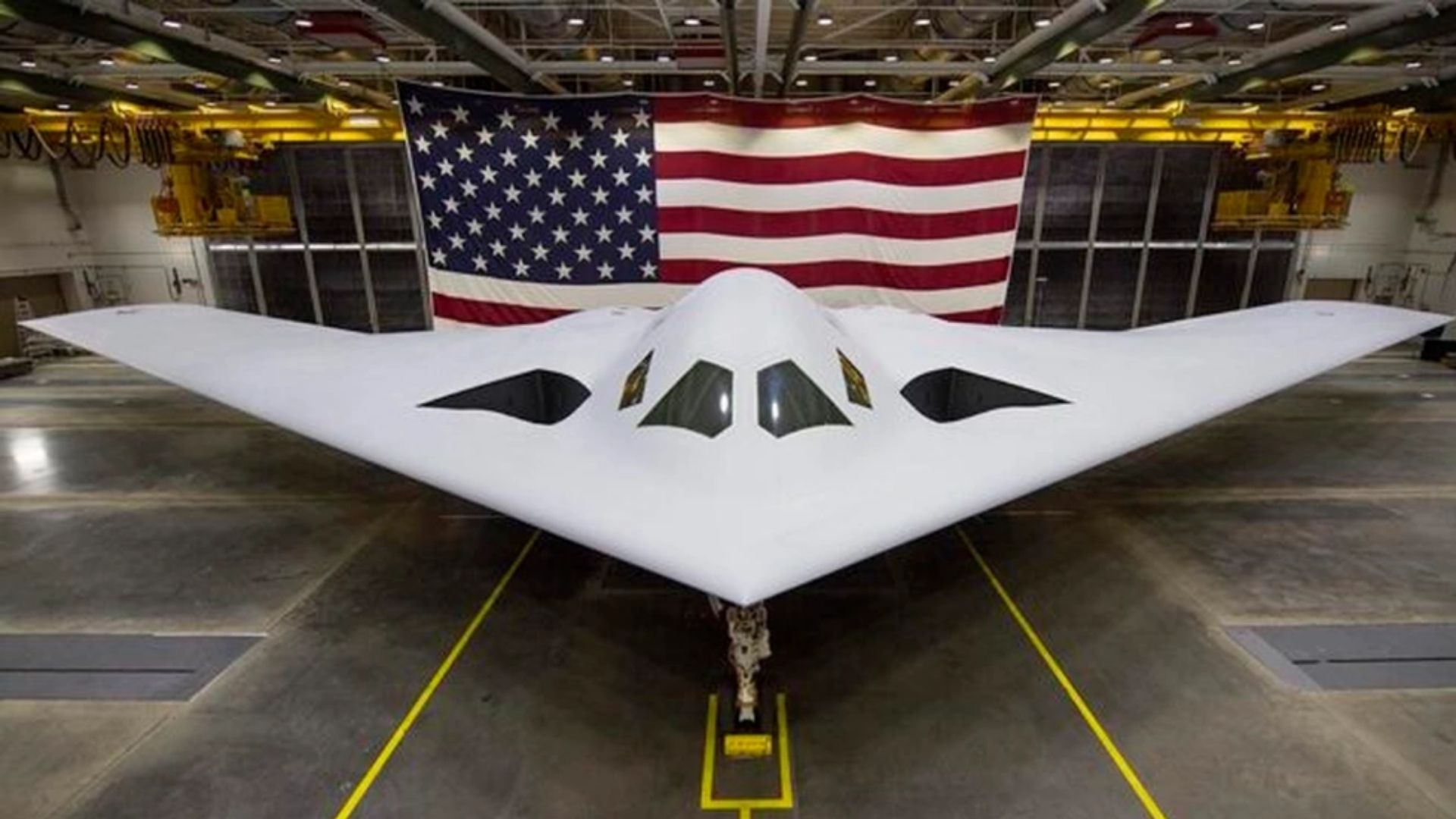
The United States Air Force is advancing its long-range strike capabilities with the B-21 Raider, a successor to the Cold War-era B-2 Spirit. As Interesting Engineering reports, this next-generation bomber focuses on digital engineering and open systems architecture to navigate modern contested battlefields, with the first operational aircraft expected to arrive at Ellsworth Air Force Base by 2027.
Context from Industry Pulse
The B-21 Raider enters a landscape where the United States is increasingly focused on long-range threat detection and satellite security. Recent military developments, such as the deployment of 200 aircraft in joint drills with Japan and the integration of containerized weapon systems for naval flexibility, highlight a broader strategic push for adaptable defense platforms. While the B-2 Spirit demonstrated the viability of the flying-wing design, its high maintenance demands limited its operational tempo. By utilizing digital twins and open architecture, the B-21 program aims to avoid these legacy pitfalls, ensuring the fleet can be modernized at the speed of software rather than undergoing decades-long hardware overhauls.
The transition from the B-2 Spirit to the B-21 Raider marks a fundamental shift in how the military approaches stealth aviation. While the original Spirit was designed to penetrate Soviet defenses during the Cold War, the Raider is built for a connected battlespace. According to Interesting Engineering, the new aircraft utilizes an open systems architecture that allows for software updates and sensor integration without the need for extensive structural redesigns. This flexibility is intended to help the platform keep pace with evolving electronic warfare and radar technologies.
Operational efficiency is a primary focus for the new program. The B-2 Spirit has historically required intensive maintenance due to the delicate nature of its radar-absorbing coatings and specialized structures. Interesting Engineering notes that the B-21 incorporates newer manufacturing methods and materials designed to reduce the resources needed for long-term upkeep. This focus on maintainability aims to ensure higher mission-readiness rates compared to its predecessor, which first entered service in 1997.
Flight testing for the Raider is currently underway, with the aircraft successfully completing aerial refueling milestones alongside KC-135 Stratotankers. To meet the Air Force goal of a minimum 100-ship fleet, production capacity has been increased by 25 percent. The service projects a procurement cost of approximately 692 million dollars per unit in fiscal year 2022 terms. This procurement strategy reflects a desire for a larger, more sustainable fleet of penetrating strike bombers capable of carrying both nuclear and conventional payloads.
Despite the arrival of the Raider, the B-2 fleet will remain operational in the near term. Interesting Engineering indicates that the Air Force is continuing to invest in low-observable upgrades for the Spirit to bridge the gap until the B-21 is fully deployed. While the B-2 proved that large flying-wing designs could evade sophisticated air defenses, the B-21 is intended to function as part of a broader family of systems, sharing intelligence and communications across a networked military infrastructure.
The Industry Pulse Bottom Line
The B-21 Raider represents the move toward software-defined warfare. By prioritizing maintainability and open architecture, the Air Force aims to deploy a stealth fleet that remains relevant through rapid digital updates rather than costly physical redesigns.