
Antarctic Ozone Hole Hits Seventh Largest Extent Despite Recovery Signs
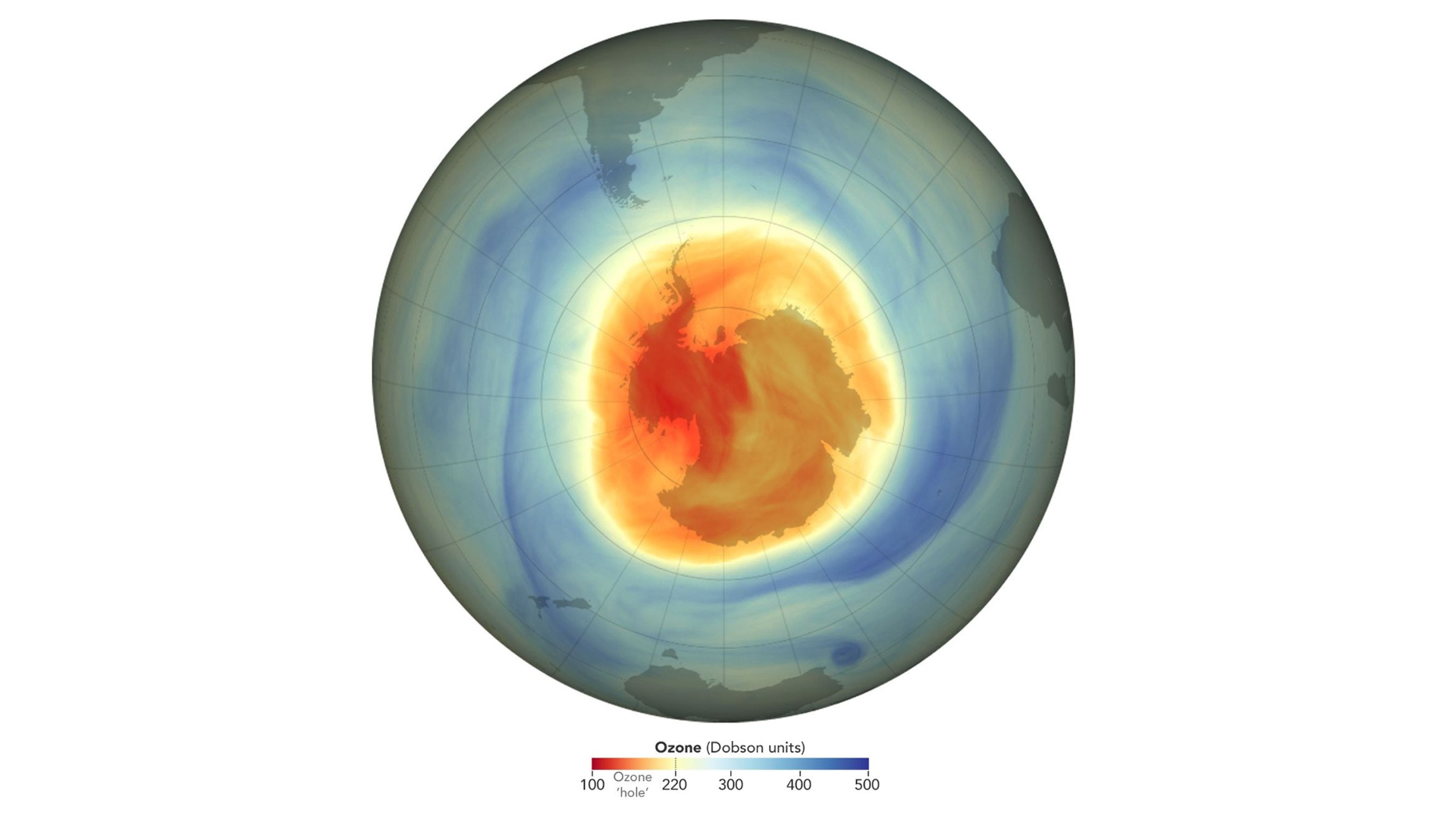
According to Interesting Engineering, the Antarctic ozone hole reached its seventh largest size in nearly 50 years during 2026. While the 10.5-million-square-mile peak reflects a persistent polar vortex, researchers from NASA and NOAA suggest that international policy efforts continue to mitigate the long-term impact of ozone-depleting chemicals in the stratosphere.
Context from Industry Pulse
The 2026 ozone data highlights the complex interplay between human-driven chemical reductions and natural atmospheric volatility. While the Montreal Protocol has successfully lowered the concentration of harmful chlorine and bromine, seasonal weather patterns like the polar vortex can still trigger massive depletion events. This year’s expansion to 10.5 million square miles serves as a reminder that environmental recovery is not a linear process. The persistence of cold air and stratospheric clouds can temporarily mask the progress made in chemical mitigation. Consequently, engineering and industrial sectors must remain committed to the long-term phase-out of ozone-depleting substances, as atmospheric stabilization remains a multi-decade endeavor expected to conclude in the 2070s.
"The ozone hole over Antarctica was the seventh largest in nearly five decades of satellite observations in 2026, expanding unusually far despite signs of long-term recovery."
Satellite data released on November 9 indicates that the atmospheric gap over Antarctica reached a maximum extent of 27.1 million square kilometers on September 18, 2026. As Interesting Engineering reports, the expansion was driven by a particularly strong polar vortex that trapped cold air over the region, facilitating the chemical reactions that break down ozone. Despite the large area, the actual concentration of ozone remained higher than previous record lows, measuring 105 Dobson Units at its thinnest point compared to the 92 Dobson Units recorded two decades ago.
The formation of polar stratospheric clouds during the winter months creates a surface for chlorine and bromine reactions. When spring sunlight returns to the South Pole, these chemicals accelerate the destruction of the gas layer that typically shields the planet from ultraviolet radiation. Interesting Engineering notes that weak atmospheric wave activity in late summer helped maintain the stability of the vortex, leading to the unusually large footprint observed this season.
Long-term data suggests the Montreal Protocol of 1987 remains effective in reducing the presence of chlorofluorocarbons. Atmospheric chlorine levels in the region have dropped by approximately one-third since their peak in the 1980s. Scientists indicate that without these international restrictions on industrial aerosols and refrigerants, the 2026 hole would have likely been significantly larger.
While seasonal weather variations cause the hole to fluctuate annually, the overall trend points toward a slow stabilization of the stratosphere. Current modeling predicts that ozone-depleting substances will not return to their pre-1980 concentrations until later this century. According to Interesting Engineering, full recovery of the Antarctic ozone layer to 1980 levels is currently estimated to occur around the 2070s.
The Industry Pulse Bottom Line
The 2026 ozone hole expansion demonstrates that while global policy has successfully reduced chemical pollutants, natural atmospheric cycles still cause significant seasonal fluctuations, pushing full recovery estimates out to the late 21st century.