
Historic Ocean Liner SS United States Deployed as Massive Gulf Artificial Reef
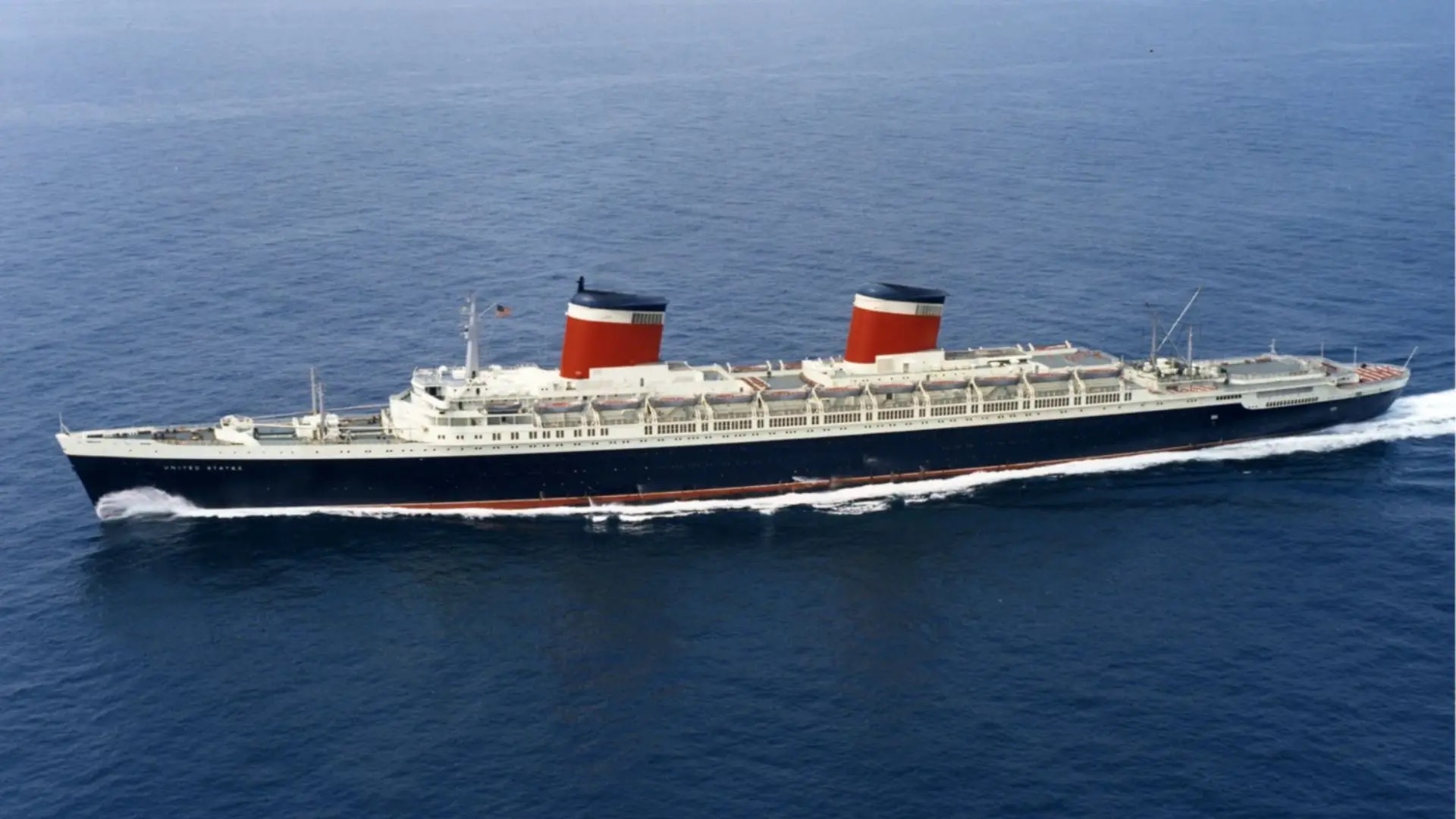
The historic SS United States has been intentionally submerged off the Florida coast to serve as the world's largest artificial reef. As reported by Interesting Engineering, the nearly 1,000-foot vessel reached its final resting place in the Gulf of Mexico on Wednesday, concluding a 74-year legacy that included breaking transatlantic speed records during its mid-century service.
Context from Industry Pulse
The transition of the SS United States from a docked liability to an artificial reef reflects the economic challenges of maritime preservation. After its 1969 retirement, the vessel's high maintenance costs and escalating port fees in Philadelphia made traditional restoration unfeasible for non-profit entities. By securing a 1 million dollar purchase from Okaloosa County, the ship's legacy is repurposed into an ecological and economic asset for Florida’s Gulf Coast. This engineering solution provides a durable habitat for species like grouper and snapper while creating a permanent diving attraction, effectively leveraging a 1,000-foot historical artifact to support regional marine biodiversity and tourism without the burden of active vessel maintenance.
The sinking operation near Destin, Florida, marks a transition from decades of preservation struggles to a new role as a marine habitat. According to Interesting Engineering, the deployment process began in the afternoon and concluded around 10 p.m. when the ship reached the seafloor at a depth of 180 feet. The vessel's upper decks now sit approximately 55 feet below the water's surface, creating a accessible destination for recreational divers.
Launched in 1952, the American-built liner served for 17 years before retiring in 1969. Interesting Engineering notes that the ship remained docked in Philadelphia for decades while various owners unsuccessfully attempted to restore it. The decision to convert the ship into a reef followed a significant increase in dockage fees that reached 1,700 dollars per day in 2021, a cost the non-profit conservancy could no longer sustain.
Okaloosa County purchased the vessel for 1 million dollars in 2024 to facilitate the reefing project. As Interesting Engineering reports, officials expect the massive structure to attract a variety of fish species, including red snapper, tuna, mackerel, and amberjack. The ship's designer, William Francis Gibbs, originally viewed the vessel with deep personal attachment, a legacy that advocates believe will be honored by its preservation as an intact underwater ecosystem.
In addition to the underwater site, a land-based museum and visitor experience are planned to document the ship's history. Interesting Engineering highlights that this dual approach allows the vessel to remain a functional part of the maritime landscape while protecting its record-breaking heritage for future generations. The project successfully resolves years of uncertainty regarding the ship's deteriorating condition and high maintenance costs.
The Industry Pulse Bottom Line
The deployment of the SS United States as an artificial reef illustrates a strategic shift in maritime heritage management, converting costly, aging infrastructure into a self-sustaining ecological and recreational resource.