
NVIDIA and Rebellions Partner with SK Telecom on Sovereign AI Systems
A new collaboration between NVIDIA, Rebellions, and SK Telecom aims to bolster Korea’s sovereign AI infrastructure. According to Engineering.com, the partnership integrates Korean-designed processors with NVIDIA’s networking and rack architectures to create scalable systems for national industries. Supported by the Ministry of Science and ICT, the initiative focuses on specialized hardware for large-scale language and inference tasks.
Context from Industry Pulse
The push for sovereign AI infrastructure highlights a strategic shift toward localized control over sensitive data and computing resources. By integrating Rebellions’ Korean-designed NPUs with NVIDIA’s networking, the partnership addresses the need for specialized hardware that can handle the unique linguistic nuances of the Korean market. This move aligns with broader government initiatives, specifically the Ministry of Science and ICT’s goal to strengthen domestic semiconductor capabilities. Utilizing a disaggregated inference model—splitting tasks between GPUs and NPUs—demonstrates a technical pivot toward energy efficiency, which is a critical factor for sustainable data center operations as model parameters continue to scale toward the multitrillion mark.
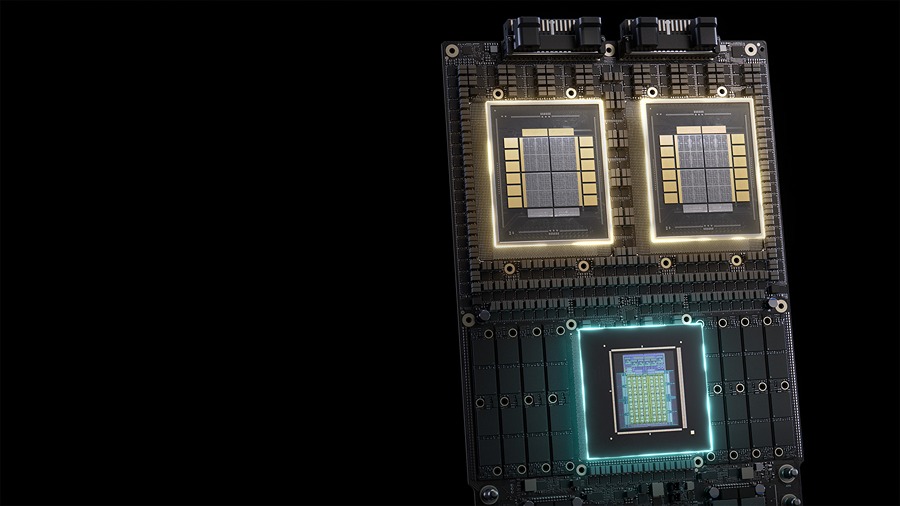
The collaboration leverages NVIDIA NVLink Fusion technology to bridge international infrastructure with domestic semiconductor innovation. As Engineering.com reports, the South Korean startup Rebellions will integrate its upcoming Rebel R200 neural processing units into NVIDIA’s open platform. This integration allows specialized silicon to utilize high-bandwidth, low-latency networking, which is critical for reducing deployment risks and shortening the time required to bring new AI hardware to market.
System development will follow the NVIDIA MGX rack architecture, a standardized framework that provides a consistent footprint for power delivery and cooling. Engineering.com notes that this modular approach allows GPU and NPU systems to share essential data center design elements. Rebellions intends to use this ecosystem to access a broader supply chain of component suppliers and original design manufacturers during the development of its next-generation hardware.
SK Telecom will lead the operational phase by deploying these systems within its AI data centers. The telecommunications giant plans to combine its proprietary foundation models with the new hardware to support public and private sector services. According to Engineering.com, this includes participation in the government’s AI for All project, which seeks to provide AI capabilities tailored specifically to Korea’s linguistic and industrial requirements.
Technologically, the partners are exploring a disaggregated inference strategy to maximize efficiency. Engineering.com explains that the companies plan to assign specific stages of AI response generation to the most suitable processors, using NVIDIA GPUs for the prefill stage and Rebellions NPUs for decoding. This split-task architecture is designed to enhance total throughput and power efficiency when running multitrillion-parameter models. Current timelines suggest that the R200-based systems will be ready for deployment by 2028.
The Industry Pulse Bottom Line
This partnership establishes a blueprint for sovereign AI by merging local silicon innovation with global infrastructure standards, ensuring that national AI services remain both technologically competitive and culturally specific.