
Emerson Updates DeltaV FB3000 RTU with Advanced Liquids Proving and Batching
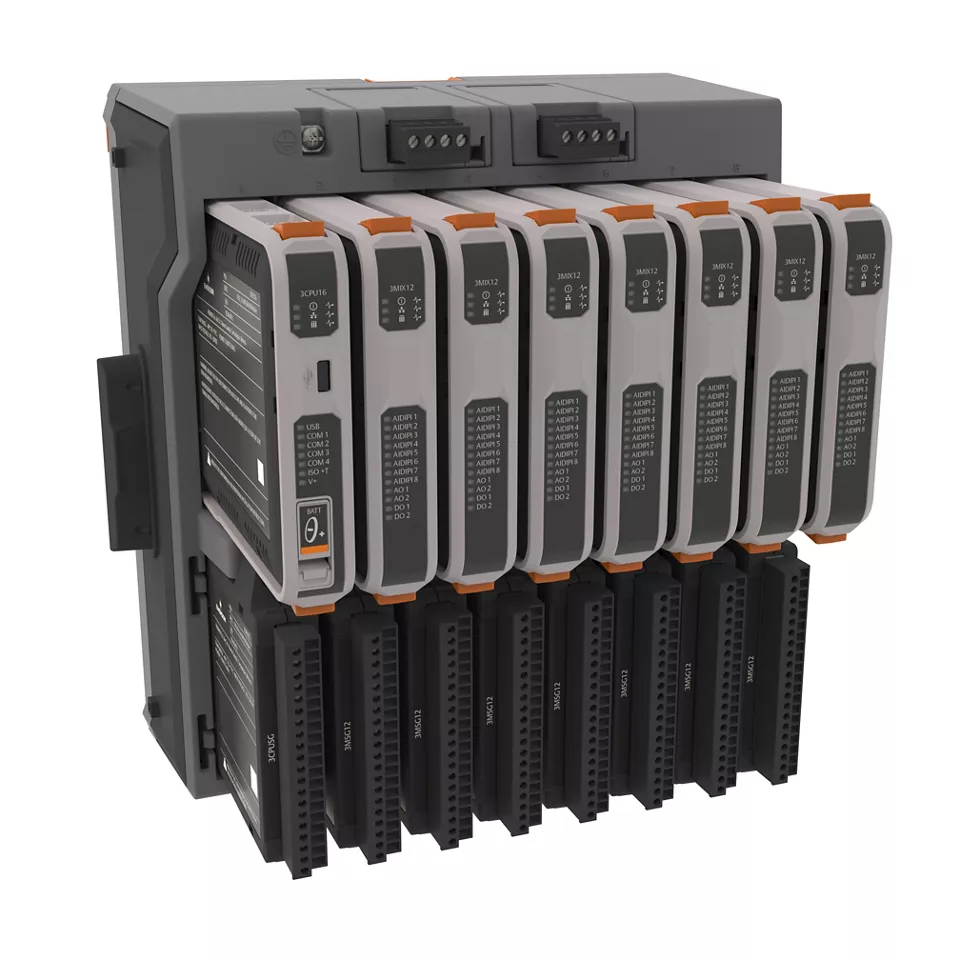
Emerson has expanded the capabilities of its DeltaV FB3000 remote terminal unit to address measurement and control needs in the midstream energy sector. According to Engineering.com, the update integrates liquids management, proving, and batching functions into a single platform designed for crude oil, refined products, and liquefied gas transportation.
Context from Industry Pulse
The update to the DeltaV FB3000 RTU occurs within a broader engineering landscape focused on extreme precision and modernization. While companies like AMD are pushing the limits of embedded processing with 256-core CPUs, and aerospace firms are utilizing 3D-printed polymers to reduce satellite component weight by 93 percent, midstream energy providers face a different set of challenges centered on legacy infrastructure and data integrity. Emerson’s integration of liquids management and Zero Trust security reflects an industry-wide push toward standardizing complex industrial workflows. By consolidating gas and liquid measurement onto a common platform, the sector is moving away from fragmented hardware toward unified, software-defined control systems that prioritize cybersecurity.
"The update adds liquids capabilities along with proving and batch management functions to support measurement, control and operational visibility."
The midstream energy market has historically struggled with a lack of versatile measurement options that combine liquids handling with robust batch management. As Engineering.com reports, the latest enhancements to the DeltaV FB3000 RTU aim to solve these issues by providing operators with a unified system for both gas and liquid operations. This modernization allows companies to maintain consistent measurement and control protocols across various assets, including gathering systems, storage facilities, and production sites.
Technological improvements include the addition of an Advanced Pulse Module and dedicated proving functions. These features are intended to improve measurement integrity during the custody transfer process, where accuracy is critical for financial and regulatory reasons. Engineering.com notes that the platform supports a wide range of materials, including specialty chemicals, diesel, condensate, and natural gas liquids. By standardizing on a single architecture, operators can reduce the complexity typically associated with managing disparate systems for different hydrocarbon types.
Security remains a primary concern for pipeline infrastructure, and the updated RTU addresses this through a Zero Trust-based architecture. This security framework is designed to protect sensitive measurement data as it moves through the operational workflow. According to Engineering.com, the system is built to help midstream companies meet increasingly stringent cybersecurity requirements while also facilitating phased modernization of existing facilities.
To support long-term operations, the platform includes global lifecycle support services. These services are intended to assist engineering teams in managing maintenance tasks and controlling overall lifecycle costs. Engineering.com indicates that this support structure also simplifies future system expansions, allowing midstream providers to scale their operations without replacing the core measurement and control infrastructure.
The Industry Pulse Bottom Line
Emerson’s RTU update streamlines midstream operations by merging liquid and gas measurement into one platform. This reduces architectural complexity and strengthens data security via Zero Trust protocols, offering a path for phased modernization across diverse hydrocarbon assets.