
US Measles Status Faces Review as Outbreaks and Policy Shifts Increase
A report from Ars Technica highlights a growing public health crisis as Wisconsin records its first infant measles death in over 35 years. The Pan American Health Organization plans to meet next week to determine if the virus has reestablished itself in the United States, potentially ending the nation's 24-year elimination status.
Context from Industry Pulse
The resurgence of measles reflects a breakdown in the public health infrastructure that maintained elimination status since 2000. Under the current administration, the shift in CDC reporting methods from real-time state data to slower federal records complicates the ability of health officials to respond to active clusters. This change, coupled with the reported deletion of mortality data, suggests a pivot toward a more restricted federal oversight of infectious disease statistics. As the Pan American Health Organization prepares its review, the conflict between local coroners and federal mandates highlights the growing friction between traditional medical reporting and new political directives regarding vaccine-preventable illnesses.
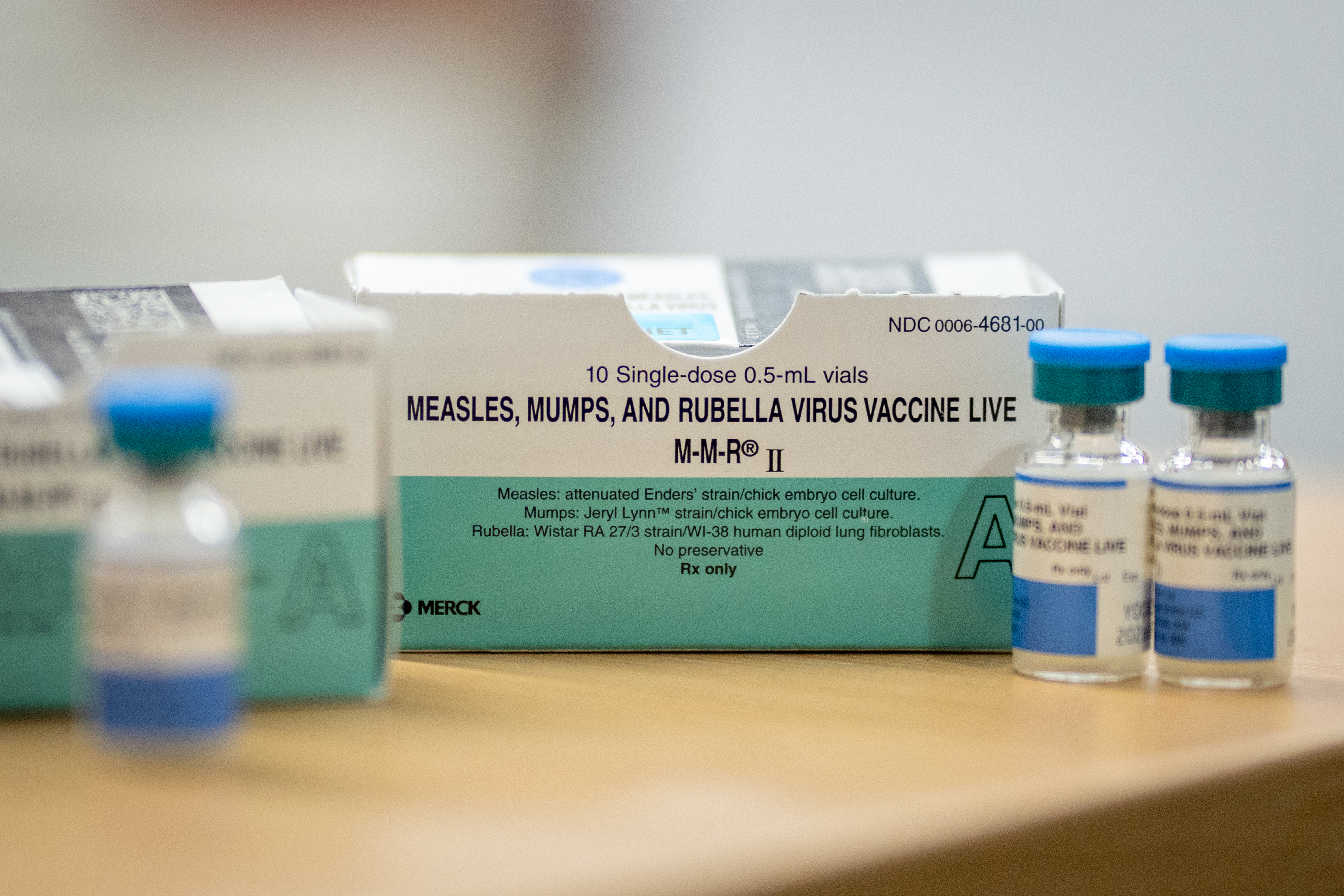
Health officials are monitoring a significant resurgence of measles across the country, a virus once declared eliminated in 2000. Ars Technica reports that slipping vaccination rates and the spread of misinformation have contributed to new outbreaks. The upcoming review by infectious disease experts will analyze data from 2025 and 2026 to assess whether domestic transmission is now continuous, a designation that would strip the U.S. of its long-standing public health milestone.
The reporting process for measles-associated fatalities has become a point of contention under Health Secretary Robert F. Kennedy Jr. According to Ars Technica, federal authorities have altered how the CDC tallies these deaths, moving away from real-time state-confirmed data in favor of federal death records. This change has led to delays in tracking during active outbreaks and sparked disputes over the validity of reported fatalities in states like Pennsylvania.
Legal and administrative conflicts are emerging regarding specific cases. In Franklin County, Pennsylvania, a coroner identified a woman's death as being caused by measles complications, but state health officials have yet to confirm the case based on their specific criteria. Ars Technica notes that the CDC was reportedly directed to remove certain deaths from national datasets, leading to claims that public health data is being politicized.
Before widespread vaccination, measles caused hundreds of deaths and thousands of hospitalizations annually in the United States. While the virus is among the most contagious known, current policy shifts and falling immunization levels are challenging the progress made over the last several decades. The discrepancy between local coroner findings and state health department validations remains an unresolved issue in the ongoing effort to track the spread of the disease.
The Industry Pulse Bottom Line
The potential loss of measles elimination status signals a critical shift in U.S. public health, driven by revised federal data standards and declining immunization rates that may permanently alter domestic disease management.