
NASA Artemis III Shift to Low-Earth Orbit Creates Integration Pressures for Orion
According to Ars Technica, NASA has restructured the Artemis III mission to focus on low-Earth orbit docking demonstrations rather than a lunar landing. This change, aimed for a 2027 launch, forces Lockheed Martin and lunar lander providers to compress complex technical integration work into a significantly tighter development timeline.
Context from Industry Pulse
The shift in Artemis III objectives reflects a strategic pivot in the race for lunar presence between the United States and China. By prioritizing docking demonstrations in Earth's orbit, NASA aims to validate critical hardware like Starship and Blue Moon connectors earlier than planned. However, this adjustment removes the immediate goal of a human lunar landing from the mission, trading a milestone achievement for technical risk reduction. The move places immense pressure on Lockheed Martin's manufacturing capacity, as the Orion spacecraft must now be adapted for high-debris environments and complex multi-vehicle interactions that were previously slated for later Artemis iterations.
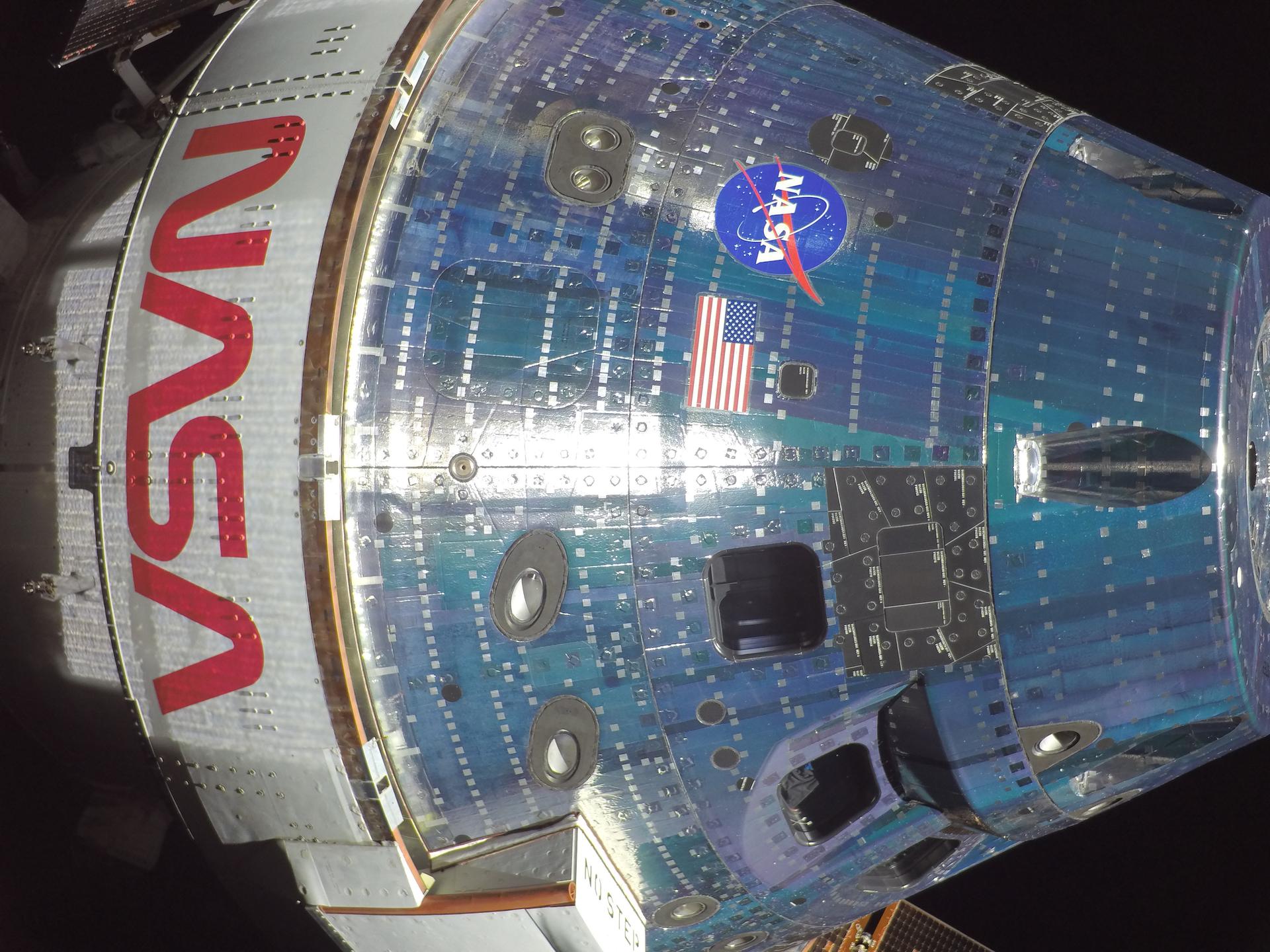
The pivot to a low-Earth orbit mission profile introduces new environmental hazards for the Orion spacecraft. Ars Technica reports that orbital debris near Earth poses a higher risk to the vehicle than a standard flight path to the Moon. This change necessitates a rapid reevaluation of mission safety protocols as the agency moves away from its original deep-space flight plan.
Technical integration for docking is the primary hurdle under the new schedule. According to Ars Technica, the process requires managing complex mechanical interactions involving pins, hooks, and connectors. Furthermore, engineers must account for thruster-plume effects from the landers, which could potentially damage Orion with abrasive or hot exhaust. There are also concerns that reflections from the surfaces of the Blue Moon or Starship landers could interfere with Orion’s onboard laser systems.
Lockheed Martin is currently operating three daily shifts to meet the summer or fall 2027 launch window. As Ars Technica notes, the project began with a zero-margin schedule, and the current workload involves constant efforts to reclaim small increments of time. The mission now requires simultaneous integration with two different landing vehicles, a task that was originally intended to be distributed across multiple missions.
Safety remains a central concern as the development pace accelerates to compete with international space programs. Ars Technica highlights that while there is an urgency to reach the Moon, officials are wary of cutting corners that could lead to undue risks. The transition to a low-Earth orbit demonstration serves as a critical test of hardware that was not initially optimized for this specific operational environment.
The Industry Pulse Bottom Line
NASA’s decision to prioritize low-Earth orbit testing for Artemis III streamlines lander integration but forces Lockheed Martin into a high-intensity schedule that balances mission safety against geopolitical urgency.