
Cat-Astrophy Roguelite Mechanics Emphasize Module Synergies and Adaptive Builds
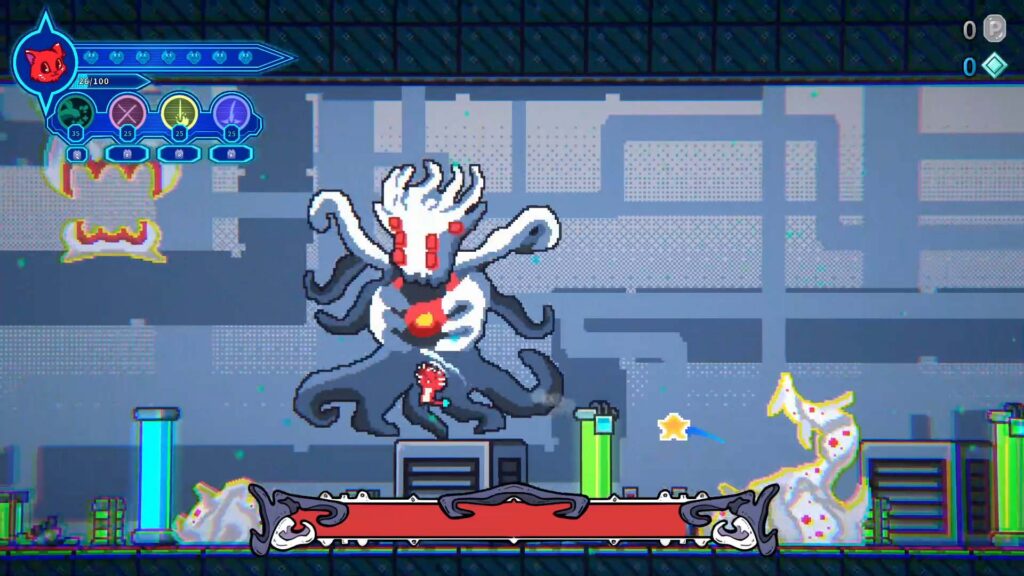
According to reporting from Xbox Wire, the space action roguelite Cat-Astrophy has launched across multiple platforms, focusing on an evolving module system. Players control Polo through procedurally generated planets, using a directional attack system and fatigue management to navigate high-stakes combat and parkour challenges while uncovering the protagonist's history through persistent narrative fragments.
Context from Industry Pulse
The release of Cat-Astrophy on November 6, 2026, adds to a crowded day for gaming news, including SEGA's strong financial results and a new SAG-AFTRA agreement for voice actors in demos. While legacy titles like the Ocarina of Time remake dominate current guides and community discussion, indie roguelites continue to lean into high-replayability mechanics to secure market share. By pricing the title at $14.99 and launching simultaneously on Xbox, Steam, Nintendo Switch, and PlayStation, the developers are targeting a broad audience. The focus on Star Cursor precision and modular synergy aligns with modern roguelite trends that prioritize player agency and emergent gameplay over static progression trees.
"The result is a system that rewards precision and adaptation rather than relying on a single optimal combination. Route selection is also part of the build."
The core gameplay loop of Cat-Astrophy centers on a reactive build system rather than pre-planned loadouts. Xbox Wire reports that players encounter various modules during expeditions that modify combat statistics, mobility, and defensive capabilities. These components are designed to evolve and interact, creating synergies that can fundamentally alter how a character moves or navigates environments. This experimental approach ensures that even returning to a previously explored planet feels distinct based on the current equipment configuration.
Combat mechanics utilize a Star Cursor to manage directional strikes, allowing for specific forward, upward, and downward attacks. Xbox Wire notes that these maneuvers are restricted by a fatigue system, requiring players to balance aggressive combos with tactical pauses to maintain control. This precision-based action is mirrored in the game's platforming, which integrates parkour elements directly into the hostile encounters found across different planetary routes.
Strategic decision-making extends to the mission structure itself. Players choose their path from a central hub ship, selecting planets based on their specific enemy types and rewards. Some routes are better suited for offensive builds, while others prioritize survival. Within individual rooms, the experience branches further, offering players the choice between direct combat, platforming sections, shops, and miniboss encounters. These choices dictate the pace and difficulty of each unique run.
Progression is split between the immediate expedition and long-term development. While death is permanent, players collect Star Fragments that function as a persistent currency. As Xbox Wire explains, these fragments unlock permanent upgrades and new tactical routes for future attempts. Additionally, discovering memory fragments serves as the primary narrative vehicle, gradually revealing the mystery of Polo’s abduction and the nature of the titular disaster without interrupting the fast-paced pixel art action.
The Industry Pulse Bottom Line
Cat-Astrophy utilizes a reactive module system and directional combat to differentiate itself in the roguelite genre, blending permanent progression with a high-tension, mystery-driven narrative across all major platforms.