
Comprehensive Soft Soil Strategy Detailed for Legend of Zelda Ocarina of Time Remake
Video Games Chronicle has released a detailed tactical guide for the Nintendo Switch 2 remake of The Legend of Zelda: Ocarina of Time, highlighting the essential role of Soft Soil locations. These spots serve as critical mechanics for unlocking hidden collectibles and navigating the game’s dual-timeline structure through the use of Magic Beans and Bugs.
Context from Industry Pulse
The release of detailed mechanics for the Ocarina of Time remake arrives amidst a busy period for the industry, as reported by GamesIndustry.biz. While major publishers like Take-Two are focused on massive upcoming launches like Grand Theft Auto 6, which is currently seeing pre-orders exceed expectations, Nintendo appears to be leveraging its classic intellectual property to bolster the Nintendo Switch 2 library. The focus on intricate guide content for legacy titles suggests a strategy of high-fidelity nostalgia, similar to how other firms are managing their aging portfolios. This remake serves as a pillar for the new hardware, alongside broader industry discussions regarding age-rating systems and the cancellation of experimental projects like Ratchet & Clank: Ranger Rumble.
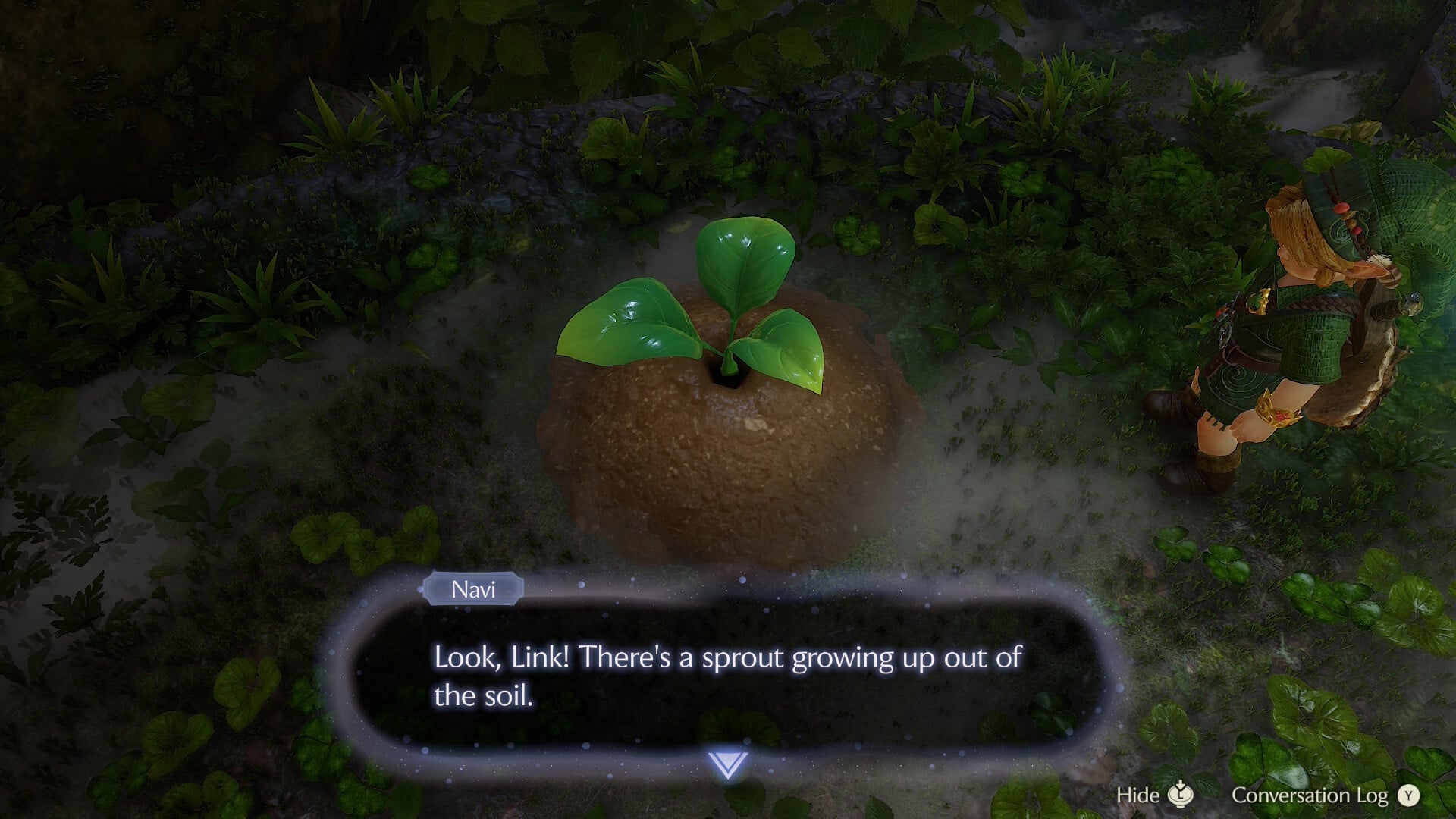
The mechanics of the 2026 remake of Ocarina of Time emphasize the interaction between child and adult eras, particularly through the cultivation of Magic Beans. According to Video Games Chronicle, players must interact with these fertile patches while playing as Child Link to yield benefits later in the game. Specifically, planting a bean in the past creates a floating platform in the future, which grants access to otherwise unreachable Heart Pieces and Gold Skulltulas.
Acquiring these beans requires a significant financial investment. As Video Games Chronicle reports, a merchant located at Zora River sells a limited stock of ten beans. The pricing structure is progressive, starting at 10 rupees and increasing by 10 for every subsequent purchase. To secure the full inventory, players must accumulate a total of 550 rupees. Beyond planting, these soil patches serve a secondary purpose: releasing a bottled bug into the soil will force a Gold Skulltula to emerge, making every patch a guaranteed source for these collectible tokens.
Navigating to these locations involves traversing diverse environments across Hyrule. Video Games Chronicle identifies accessible spots in Kokiri Forest, Kakariko Graveyard, and Lake Hylia. More complex locations require specific progression, such as using a Cucco to reach a ledge in Gerudo Valley or finding specific rooms within the Lost Woods. The guide notes that some spots are tucked away near landmark entrances, such as the patch located directly outside Dodongo’s Cavern.
Advanced players must utilize fast-travel songs to reach the most difficult patches. Video Games Chronicle notes that the Death Mountain Crater and the Desert Colossus locations are only accessible to Child Link after he has learned the Bolero of Fire and the Requiem of Spirit as an adult. These late-game areas provide the final opportunities to utilize the Magic Bean system and complete the game’s collection of hidden items.
The Industry Pulse Bottom Line
The Magic Bean system remains a cornerstone of Ocarina of Time’s progression, requiring players to manage limited resources and time-travel mechanics to achieve 100% completion in the 2026 Nintendo Switch 2 remake.