
CD Projekt Red Employs AI to Restore Geralt Voice Following Actor Health Issues
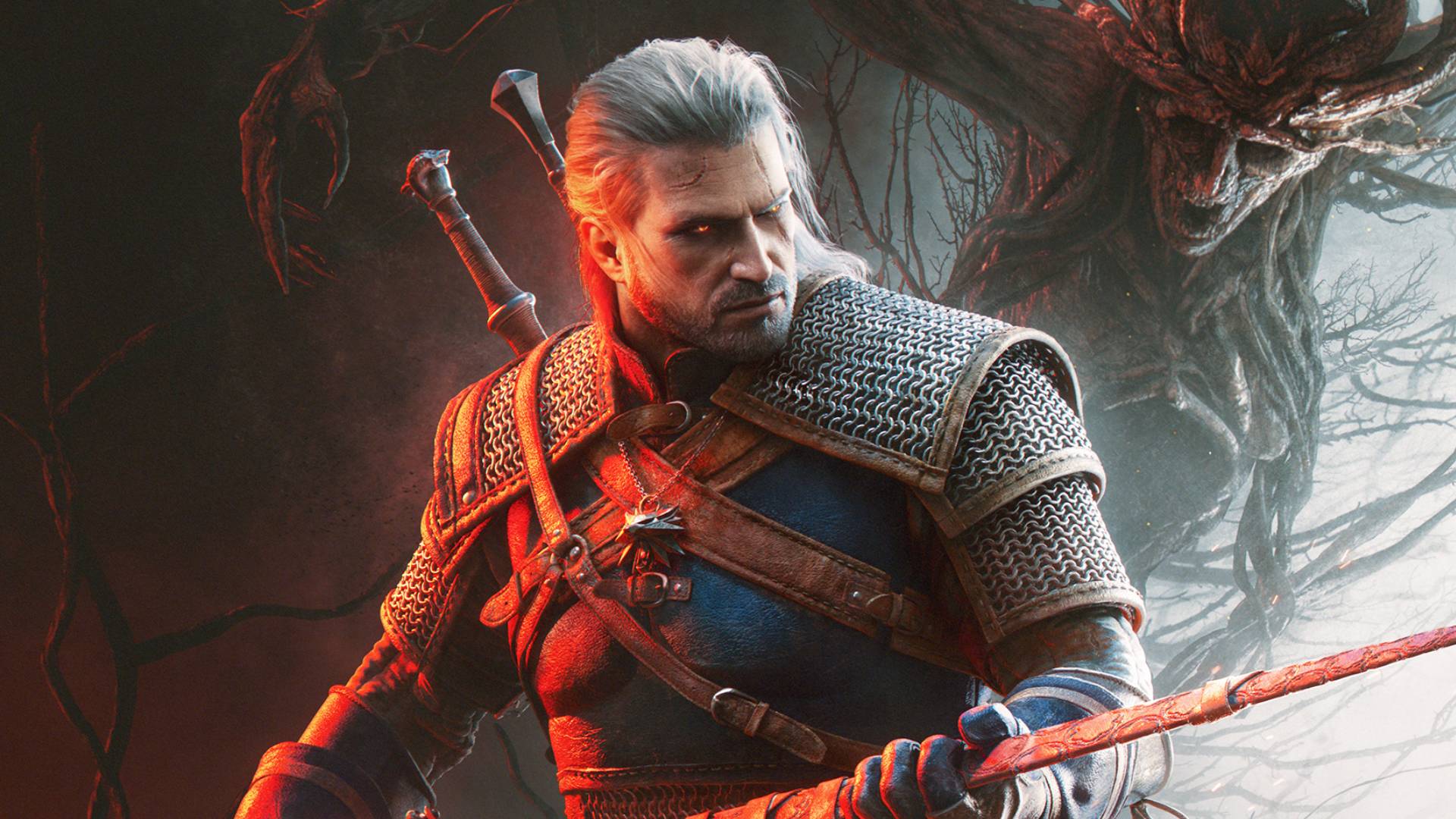
Video Games Chronicle reports that CD Projekt Red is utilizing artificial intelligence to adjust Polish voiceovers in the upcoming Songs of the Past expansion for The Witcher 3. The studio partnered with tech firm Respeecher to modify lines recorded by Jacek Rozenek, whose voice changed following a stroke in 2019.
Context from Industry Pulse
The gaming industry currently faces intense scrutiny regarding generative AI, as evidenced by recent actions from major awards bodies. Video Games Chronicle highlights that The Independent Games Festival and The Indie Game Awards have both disqualified or penalized titles for using AI-generated content. However, CD Projekt Red is positioning its use of Respeecher as a tool for accessibility and preservation rather than cost-cutting. By training algorithms on an actor's own historic work with their explicit permission, the studio aims to bypass the ethical pitfalls typically associated with replacing human labor with automated systems while managing the long-term health constraints of its cast.
According to Video Games Chronicle, the Polish voice actor for Geralt of Rivia returned to the recording booth for the new expansion but faced physical challenges during the process. After suffering a stroke several years ago, the performer underwent extensive daily training to regain his speech. While he managed to complete sessions for a previous update in 2022, he noted that the physical exertion was deeply exhausting. Consequently, the developer sought a solution to maintain the character's sonic consistency while respecting the actor's current health status.
To achieve the desired sound, Video Games Chronicle notes that the developer provided Respeecher with extensive audio files from the original game released a decade ago. These recordings allowed an algorithm to learn the specific nuances of the actor's younger voice. For the new content, the performer still recorded all his dialogue manually, providing a base performance that was later modified by the software to match the tone and timber established in the original 2015 release.
Localisation producers at the studio defended the move as an ethical application of generative technology because the actor provided his full consent. As Video Games Chronicle details, the studio viewed this as a way to support a longtime collaborator rather than replacing him. The actor expressed his own support for the project, stating his desire for the performance to remain as close as possible to the voice he provided twelve years prior.
This is not the first instance of the studio using this technology for legacy preservation. Video Games Chronicle points out that a similar approach was taken during the development of the Phantom Liberty expansion for Cyberpunk 2077. In that case, the studio used AI to recreate the voice of a different actor who had passed away, choosing to synthesize his performance with family permission instead of hiring a new person for the role.
The Industry Pulse Bottom Line
CD Projekt Red is leveraging AI as a specialized tool for legacy preservation, using consent-based synthesis to maintain character consistency when health issues or mortality prevent traditional recording methods for long-running franchises.