U.S. Junk Bonds Track Toward Worst Monthly Performance Since 2022
Industry Pulse News Desk · 2026-09-29
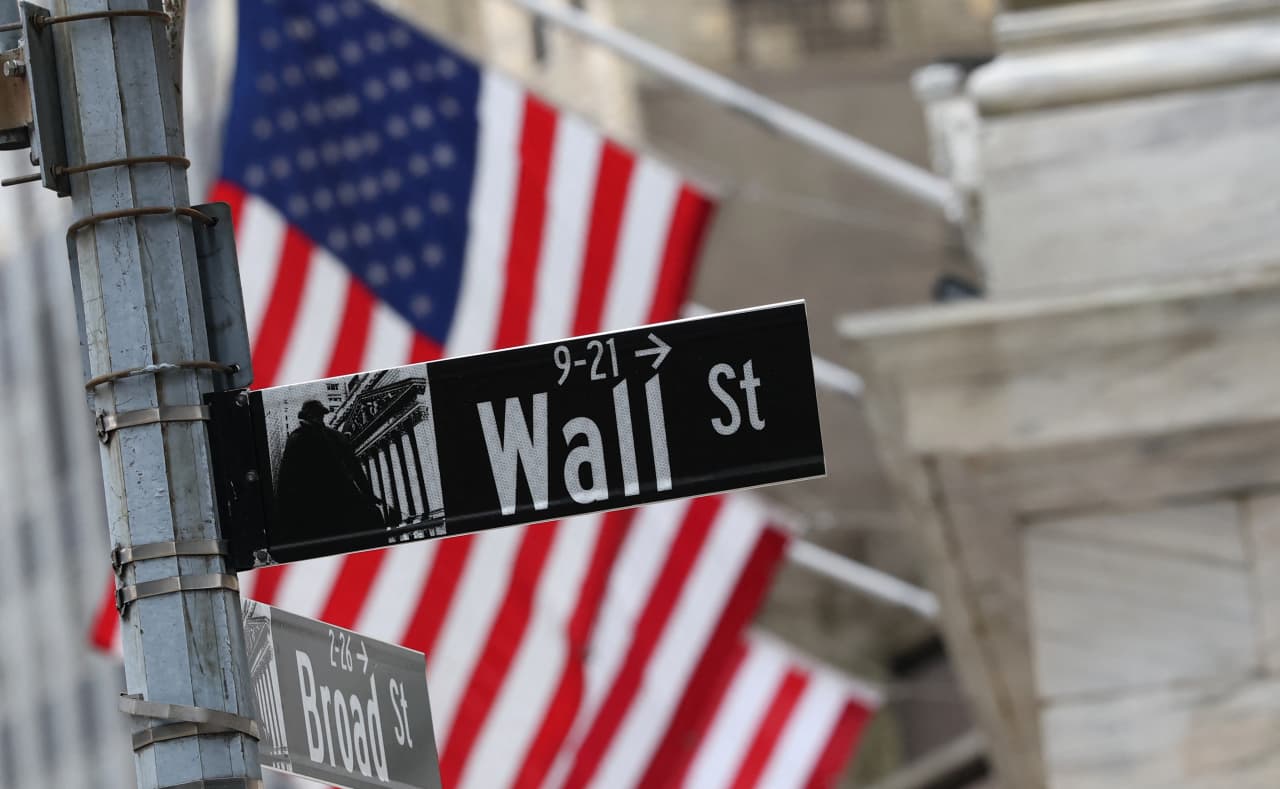
High-yield corporate debt has failed to insulate investors from broader market volatility this month amid a global fixed-income selloff.
NEW YORK — U.S. high-yield corporate bonds are tracking toward their sharpest monthly losses since 2022, as elevated coupon yields fail to offset a broader downturn across global financial markets.
The debt category, commonly referred to as junk bonds, has experienced sustained selling pressure throughout the current month. Heightened volatility in both equity and fixed-income markets has driven down bond valuations, rapidly eroding total returns for fund managers and institutional investors holding speculative-grade debt.
The recent downturn highlights the limits of yield protection during periods of wide-scale market turbulence. Although high-yield instruments offer elevated interest payments compared to investment-grade alternatives, rapid price depreciations have outpaced the income generated by the bonds, resulting in negative net performance across key tracking benchmark indexes.
Spreads on corporate credit—the extra yield investors demand over risk-free government benchmarks—have widened significantly as demand for risk-sensitive assets has softened. Capital flows have increasingly moved toward safer fixed-income securities, including short-term U.S. Treasury bills, in response to shifting interest rate expectations and global growth concerns.
New issuance in the speculative-grade market has also moderated as corporate borrowing costs remain elevated. Companies seeking to refinance existing debt face higher coupon demands from investors, raising overall debt-servicing costs across the sector.
Financial market participants continue to monitor secondary market liquidity and corporate default indicators, with analysts evaluating whether debt issuers can sustain elevated financing costs into the final quarter of the year.