U.S. Condo Market Stalls as Inventory Outpaces Single-Family Home Sales
Industry Pulse News Desk · 2026-10-06
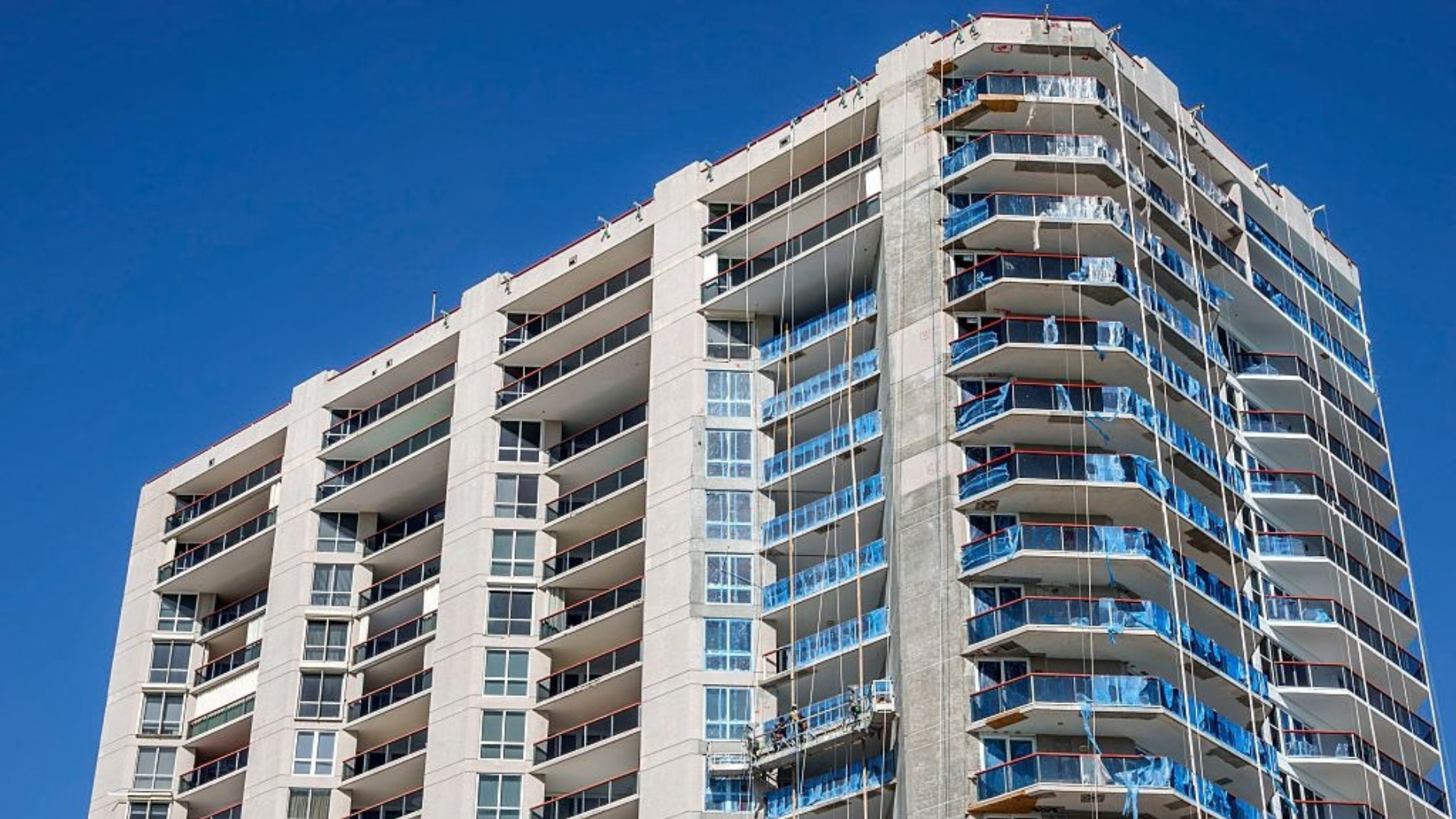
Condominiums across the United States are remaining on the market longer than single-family homes, reversing pre-pandemic housing trends.
Condominium sales and price growth across the United States have stalled in recent months, with multi-unit properties remaining on the market substantially longer than single-family homes. Recent housing market data shows that the residential slowdown is expanding far beyond regional markets like Florida to affect urban and suburban areas nationwide.
The current trend marks a distinct shift from pre-pandemic real estate dynamics. Prior to 2020, condominiums typically matched or exceeded the sales velocity of single-family residences due to lower entry prices and lower maintenance requirements for first-time buyers.
Recent inventory reports indicate that the average days on market for condominiums has increased steadily throughout the past year. Buyers are increasingly exercising caution when considering multi-unit properties, leading to a build-up of available listing inventory across major metropolitan regions.
Rising operational costs have contributed to the market shift. Higher homeowner association fees, escalating property insurance premiums, and special assessment costs for older buildings have significantly reduced the cost differential between purchasing a condominium and buying a detached home.
Stricter underwriting guidelines and reserve requirements from mortgage lenders have also slowed transaction volumes. As a result, sellers are increasingly resorting to price cuts and financial concessions to attract buyers in a market dominated by high interest rates.