Trump Backs Data Center Expansion as Democrats Raise Infrastructure Concerns
Industry Pulse News Desk · 2026-08-24
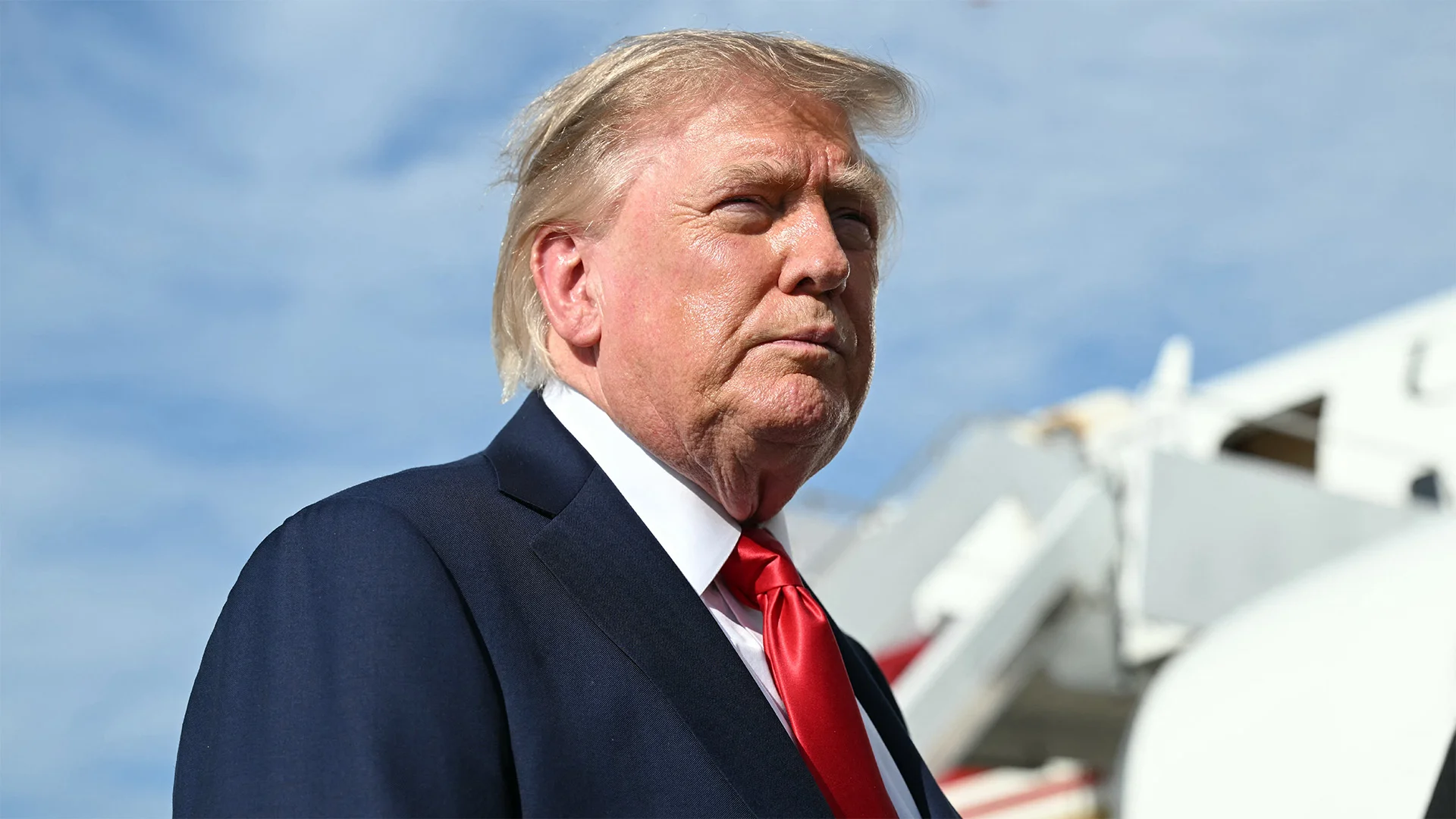
Former President Donald Trump emphasized the economic necessity of data centers, while Democratic lawmakers urge caution over energy grid and environmental impacts.
WASHINGTON — Former President Donald Trump has voiced strong support for the continued expansion of data centers across the United States, warning that local jurisdictions rejecting these facilities are committing a critical economic error. The comments highlight an escalating political debate over the physical infrastructure required to power artificial intelligence and cloud computing networks.
Addressing the rapid expansion of digital facilities, Trump emphasized that modern computing hubs are essential for maintaining national technological competitiveness. He argued that municipal governments blocking data center developments risk stifling local economic growth and forfeiting substantial tax revenues generated by major technology investments.
In contrast, Democratic lawmakers and environmental advocates have taken a more cautious stance, questioning the long-term resource costs of the booming industry. Opponents of unchecked development point to the enormous electrical and water demands of high-density computing clusters, which can strain regional power grids and increase utility rates for local residents.
The sharp increase in electricity demand from data facilities has already prompted utility providers in key technological corridors to revise their long-term load forecasts. While technology firms frequently invest in dedicated renewable energy projects, regulatory analysts note that short-term power shortages could prolong reliance on traditional fossil fuel generation.
State and municipal authorities across several regions are now reviewing potential zoning restrictions, mandatory sustainability thresholds, and grid contribution requirements for prospective developers. The evolving debate underscores the broader national challenge of balancing aggressive technological innovation with local resource sustainability.