Swanson Surplus Turkey Inventory Sparked Emergence of Mass-Market TV Dinners
Industry Pulse News Desk · 2026-09-10
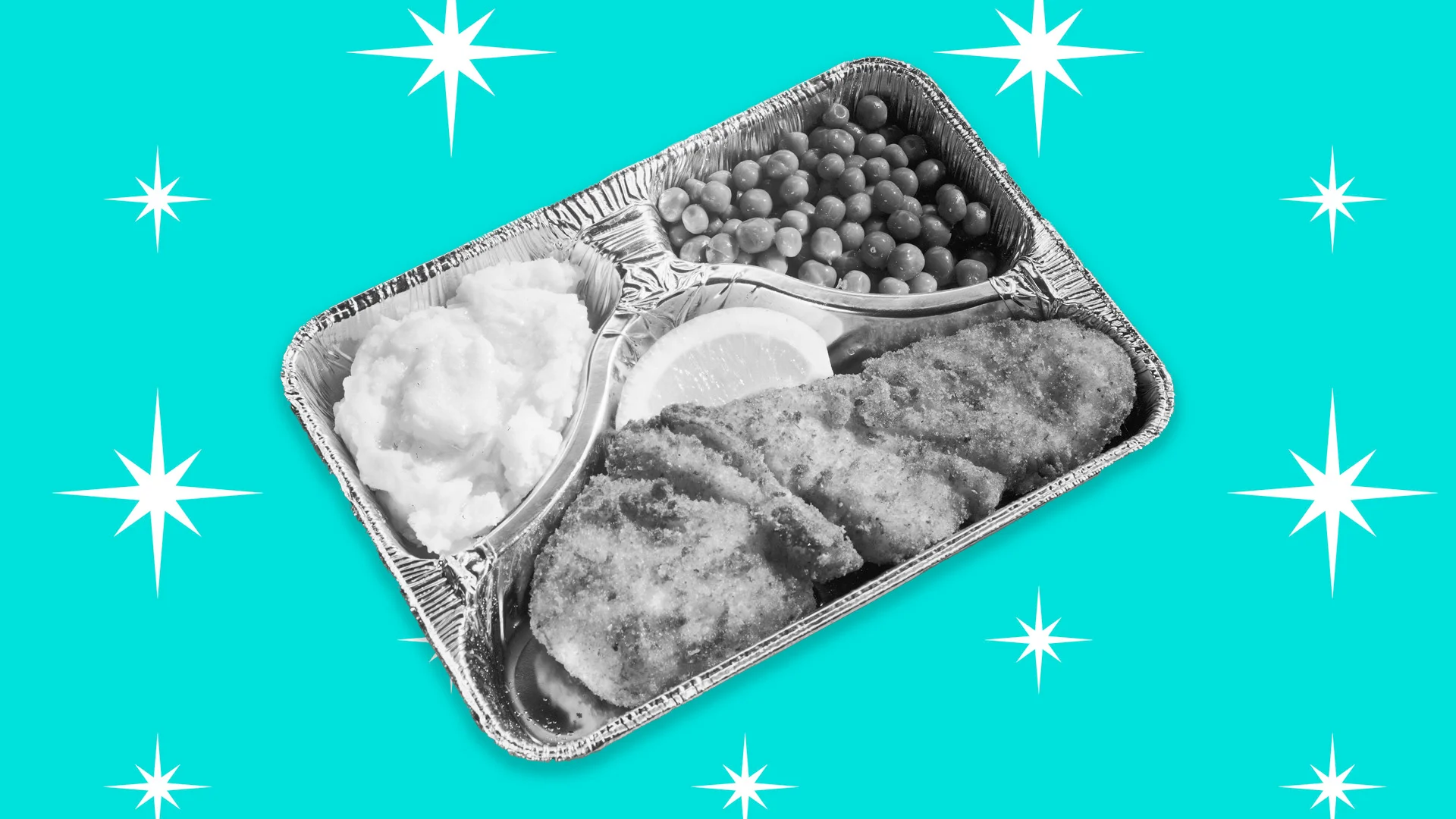
A massive inventory surplus of 260 tons of turkey led to the creation and commercial rollout of pre-packaged frozen meals that reshaped food distribution.
A massive surplus of post-holiday turkey directly accelerated the commercial development of the modern pre-packaged frozen meal industry, leading to millions of units sold within its first year of national distribution. C.A. Swanson & Sons introduced the frozen "TV dinner" after facing an immediate need to liquidate roughly 260 tons of unsold turkey stored in refrigerated rail cars.
To solve the inventory bottleneck, company executives designed an aluminum tray system capable of holding a complete, pre-portioned meal that could be heated directly in an oven. The meals featured turkey along with traditional side dishes like cornbread stuffing, peas, and sweet potatoes, offering a ready-to-eat convenience previously unavailable to retail consumers.
The product launched at a time when residential television ownership was expanding rapidly across American households. By aligning the packaging and utility of the meals with the growing popularity of evening television viewing, the company positioned frozen dinners as a quick alternative to conventional home cooking.
Initial sales figures far exceeded early corporate projections. Within 12 months of its 1953 debut, Swanson had sold more than 10 million individual frozen dinners, establishing a permanent retail market for processed convenience foods.
The success of the initial turkey product prompted frozen food manufacturers to expand production lines to include beef, chicken, and Salisbury steak options. The shift fundamentally altered grocery distribution channels, forcing supermarkets to expand freezer capacity to meet growing consumer demand for prepared consumer goods.