Study Finds High-Dose Creatine May Boost Brain Energy in Alzheimer's Research
Industry Pulse News Desk · 2026-09-23
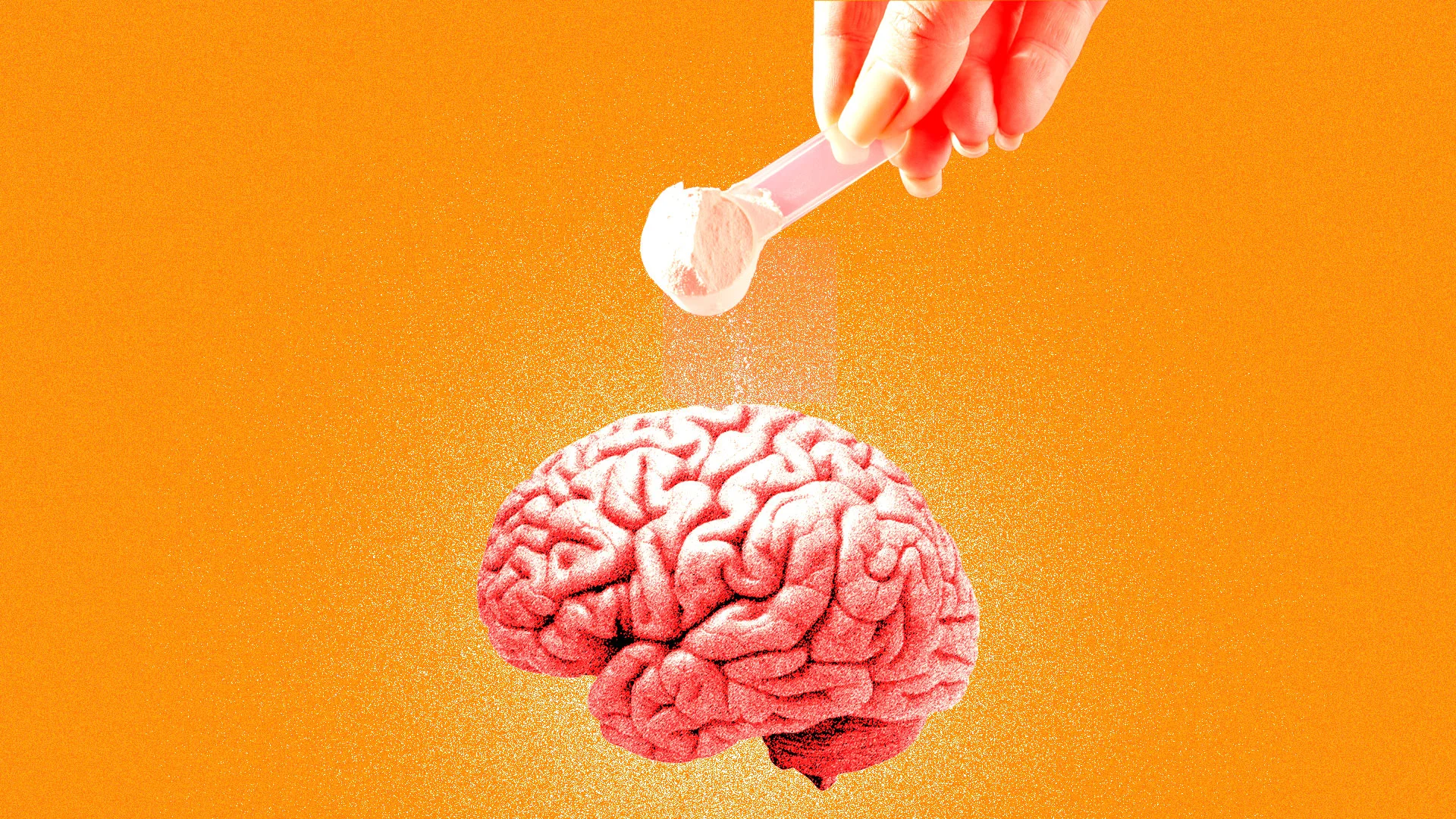
A clinical trial shows high-dose creatine supplementation increases brain creatine levels by 11 percent, offering new potential for Alzheimer's treatment research.
High-dose creatine supplementation can significantly raise creatine levels within the human brain, according to a recent clinical study examining potential therapeutic approaches for cognitive decline and Alzheimer's disease.
Researchers involved in the preliminary human trial reported that administering elevated doses of the dietary supplement led to an average 11 percent increase in brain creatine concentrations. The study represents one of the first clinical demonstrations in humans showing that targeted oral supplementation can directly alter central nervous system energy levels.
While creatine is traditionally recognized for its role in supporting muscle growth and physical performance, medical investigators are increasingly analyzing its impact on neurological health. In neurodegenerative conditions like Alzheimer's disease, brain cells frequently experience energy deficits that contribute to deteriorating memory and impaired cognitive function.
The trial demonstrated that higher dosages enable the compound to successfully cross the blood-brain barrier in sufficient amounts. Investigators noted that the ability to elevate brain energy stores opens up greater opportunities to explore non-invasive metabolic interventions aimed at slowing or managing cognitive degradation.
Alzheimer's disease affects millions of individuals globally, and current treatment options remain limited in their ability to restore cellular function. The findings provide a potential framework for supplementary therapies that target metabolic dysfunctions alongside conventional pharmaceutical treatments.
Despite the encouraging biochemical results, researchers emphasized that additional clinical testing will be required before recommending clinical application. Future trials will focus on larger participant cohorts to evaluate long-term safety, optimal dosing strategies, and direct impacts on patient memory performance.