Study Examines Effects of Blueberry Supplementation on Gut Microbiome and Mood
Industry Pulse News Desk · 2026-10-21
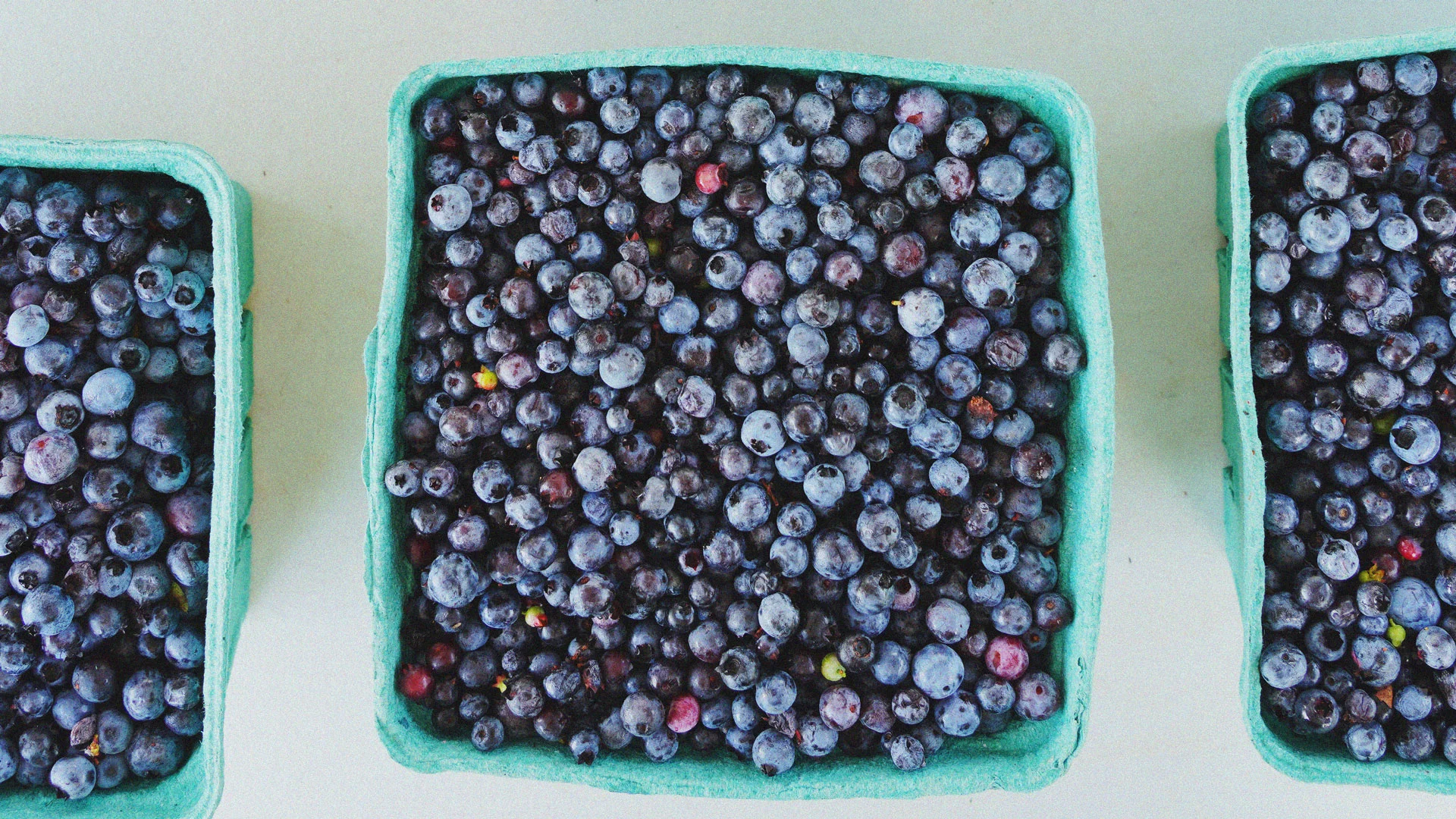
A three-month pilot trial in older adults suggests daily consumption of wild blueberry powder may influence gut bacterial populations and mood indicators.
A three-month pilot study investigating the physiological effects of daily wild blueberry consumption has identified potential shifts in gut microbiome composition alongside reported improvements in mood among older adults. Researchers evaluated participants who consumed a daily dose of freeze-dried wild blueberry powder, tracking changes in cognitive function, emotional well-being, and gut microbial diversity.
The clinical trial focused on healthy older individuals over a 12-week period. Participants were assigned to receive either the active blueberry powder—equivalent to a standard daily serving of fresh fruit—or a nutrient-matched placebo. Stool samples and psychological assessments were collected at baseline and at the conclusion of the study to measure biological and behavioral shifts.
Analysis of the microbial data revealed notable alterations in specific bacterial taxa within the gastrointestinal tract of participants in the blueberry group. Investigators observed increases in beneficial bacterial strains known to produce short-chain fatty acids, which play a critical role in gut barrier integrity and systemic inflammation control.
Alongside the gastrointestinal changes, participants receiving the blueberry supplement demonstrated measurable improvements in self-reported mood scores and subjective markers of psychological stress. Researchers noted a correlation between the enrichment of certain gut microbes and positive shifts in emotional measures over the course of the trial.
While the preliminary findings suggest a potential gut-brain axis mechanism linking dietary polyphenols to mood regulation, project leaders emphasized that the sample size remains limited. Further large-scale, randomized controlled trials are required to establish direct causality and determine optimal dosing strategies for therapeutic applications.