Study Challenges Link Between Testosterone and Increased Confidence in Men
Industry Pulse News Desk · 2026-08-24
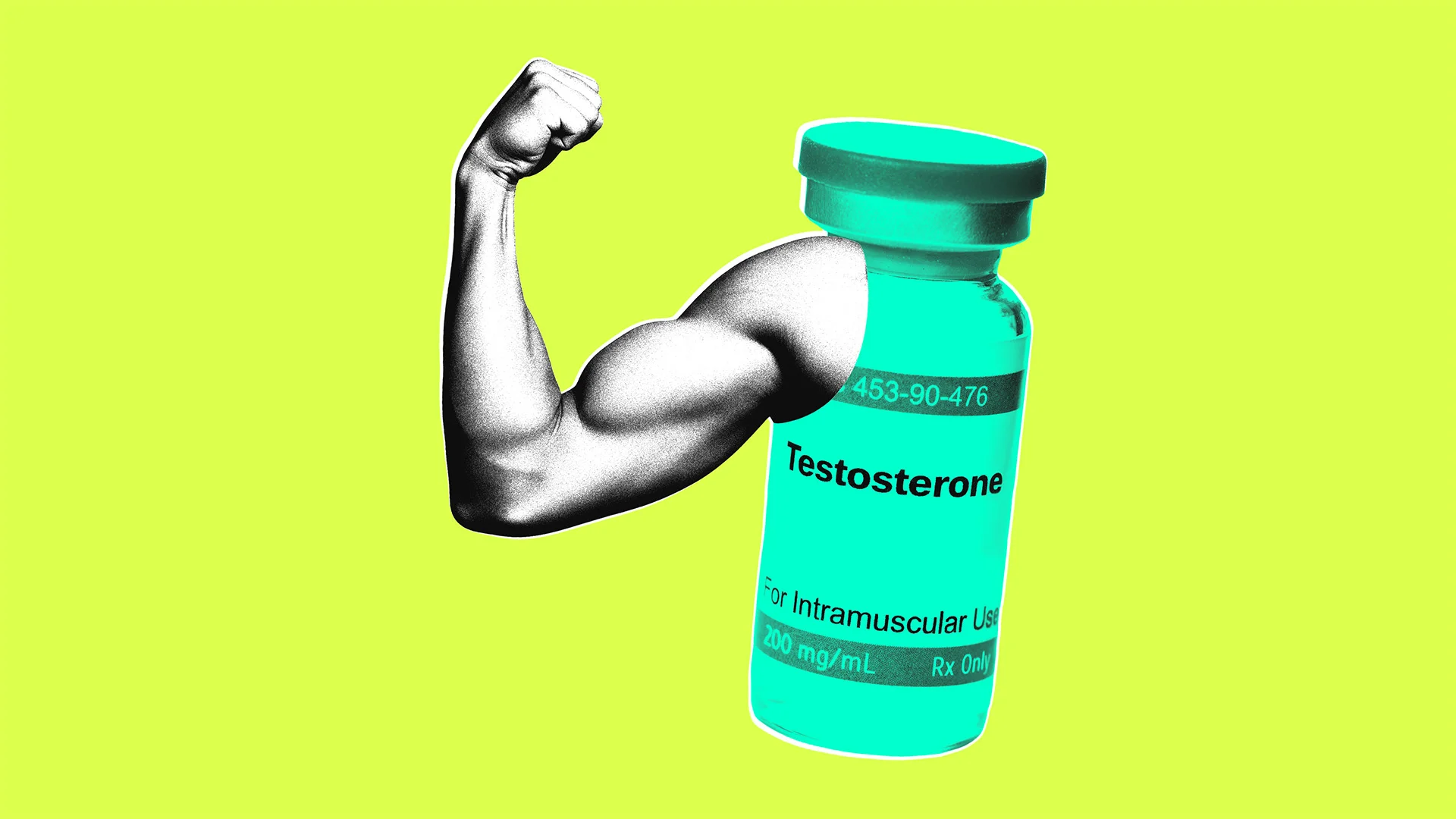
A large-scale randomized trial conducted by opposing researchers found no evidence that elevated testosterone boosts overconfidence or impairs cognitive reflection.
Administering testosterone to adult men does not increase overconfidence or impair cognitive reflection, according to findings from a major clinical experiment designed to resolve long-standing debate over the hormone's psychological effects on decision-making.
The study utilized an adversarial collaboration model, uniting researchers with opposing theoretical viewpoints to co-design a large-scale, randomized controlled trial. The objective was to rigorously test whether elevated systemic testosterone levels cause individuals to become overly confident in their judgments or rely more heavily on intuitive choices.
In the trial, healthy male participants received either a single therapeutic dose of topical testosterone gel or an identical placebo. After allowing sufficient time for hormonal absorption, subjects completed a series of standardized tasks measuring self-assessed accuracy, mathematical problem-solving, and cognitive reflection skills.
Data analysis demonstrated no statistically significant differences in confidence levels or task accuracy between the testosterone and placebo groups. Participants who received the hormone were no more likely to overestimate their performance or make impulsive errors than those in the control group.
The findings directly challenge earlier, smaller-scale studies that suggested testosterone actively promotes ego-driven behavior and rash choices. Researchers noted that the larger sample size and pre-registered methodology of the new trial provide a more reliable assessment, indicating that the hormone's influence on high-level cognitive evaluation and baseline confidence is negligible.