
Cranfield Aerospace Solutions Abandons Hydrogen Passenger Aircraft Ambitions
As reported by Skift, Cranfield Aerospace Solutions has officially pivoted its strategy away from zero-emission passenger flight. The company recently filed accounts with the UK Companies House confirming it has ended Project Fresson, a high-profile initiative that aimed to convert a Britten-Norman Islander aircraft into a nine-seat hydrogen-powered passenger plane.
Context from Industry Pulse
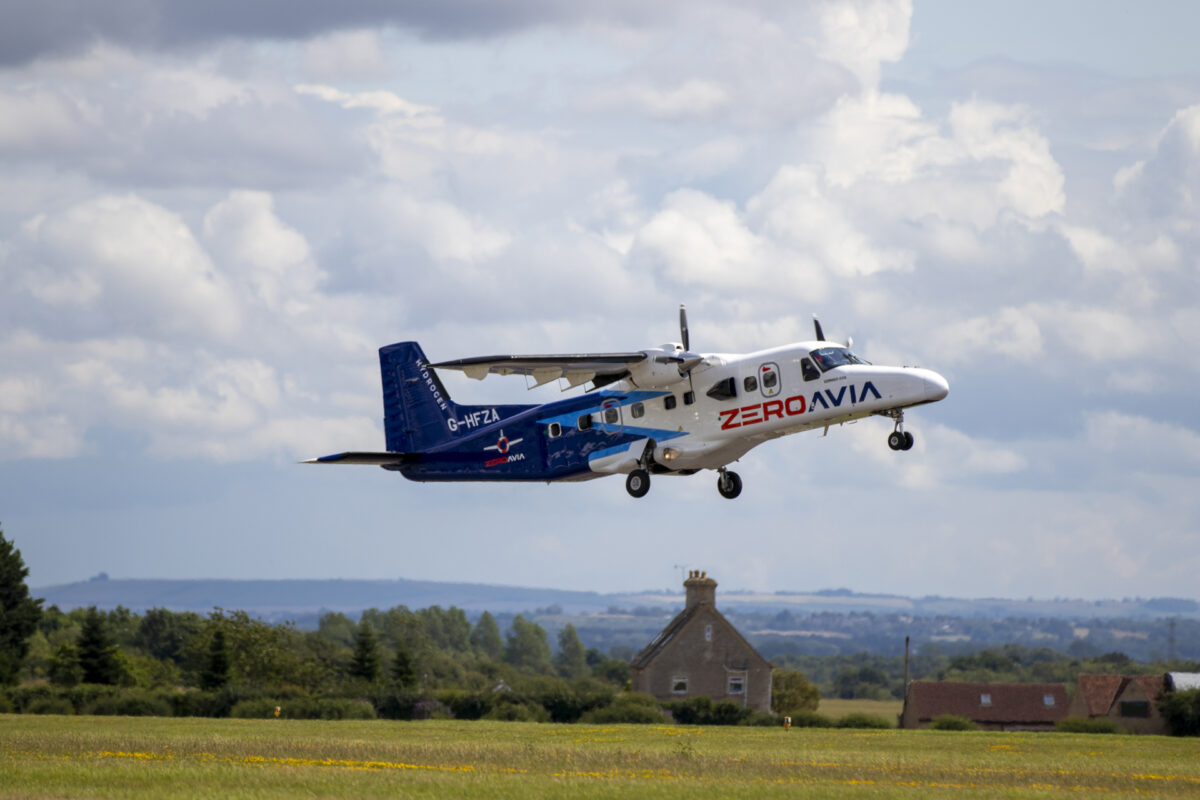
The withdrawal of Cranfield Aerospace Solutions from the passenger sector reflects a broader contraction in the hydrogen and electric aviation market. According to Skift, this follow's June's bankruptcy of Maeve Aerospace, which impacted major airline backers like Delta and Japan Airlines. Additionally, ZeroAvia recently reduced its workforce by approximately 50 percent. Industry analysts suggest that the sector faces an immense capital gap, requiring billions in investment years before any commercial revenue can be realized. Cranfield's shift to drones and consultancy represents a pragmatic retreat to smaller-scale applications as the technical and financial hurdles of zero-emission regional passenger travel prove increasingly difficult for independent developers to clear.
Financial documents for the year ending September 2025 reveal that the firm is shifting its focus toward hydrogen-powered drones and aerospace design consultancy services. This transition marks a return to the company's original business foundations. According to Skift, the business also expanded its motorsport simulator division, which recently secured an exclusive contract with a venue entertainment provider and required a new production facility.
The company reported a annual loss of 4.5 million pounds, a slight increase from the previous year despite a significant rise in revenue to 6.9 million pounds. Skift reports that most of this income was generated by the simulator business rather than aviation technology. Operational changes included a reduction in average staff size from 82 to 64 employees over the period. The filings were submitted more than four months past their due date, providing the first formal confirmation of the strategic exit from the passenger market.
Debt remains a significant factor in the company's outlook. The balance sheet shows 13.4 million pounds in convertible loan notes carrying 12 percent interest. While repayment dates have been moved beyond late 2026, there is currently no fixed date for settlement. Directors indicated that the company’s survival relies on anticipated grant funding and continued support from existing shareholders through further loans.
Despite the pivot, the company has not written down the 16.3 million pound valuation of its hydrogen prototype development work. Management argues that the drone program builds upon this existing research. However, Skift notes that a full write-down of these assets would almost entirely erase the company's net assets, which currently stand at less than one million pounds.
The Industry Pulse Bottom Line
Cranfield’s pivot underscores the immense financial strain on hydrogen aviation startups. By refocusing on drones and simulators, the firm prioritizes immediate revenue over the long-term, high-risk capital requirements of zero-emission passenger transport.