
Justice Kagan Breaks Tradition with Solo Dissent as Voting Trends Shift
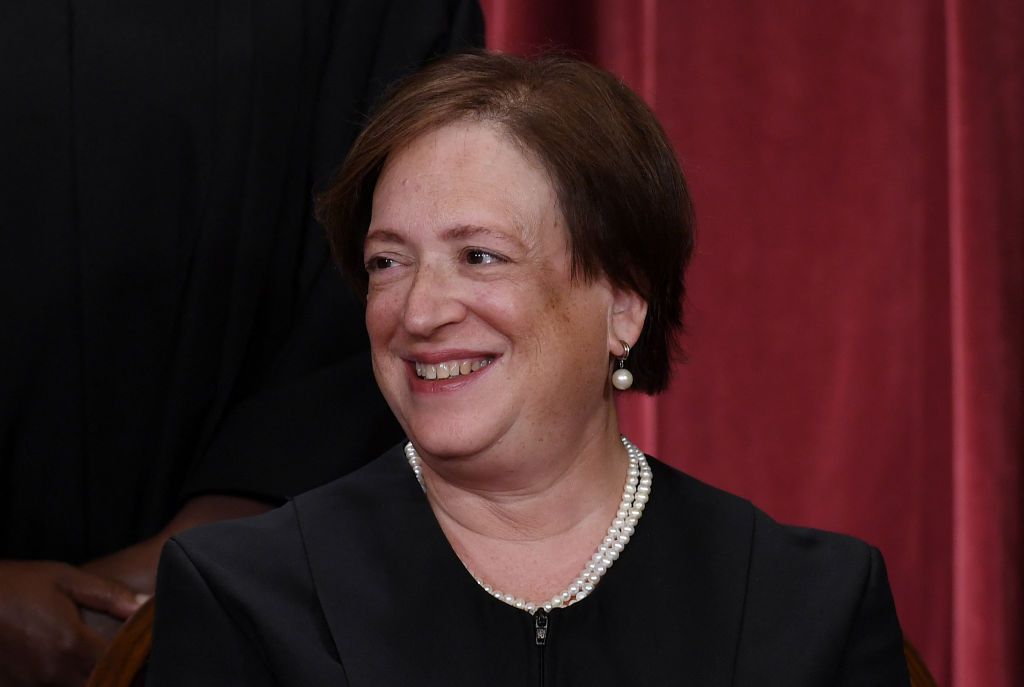
Justice Elena Kagan recently issued her first solo dissent in 16 years on the bench, highlighting a shift in her historical judicial strategy. SCOTUSblog reports that while Kagan has long avoided separate opinions to favor institutional unity, recent data shows her voting record increasingly aligning with the liberal wing in high-stakes cases.
Context from Industry Pulse
Justice Kagan’s recent solo dissent in Havana Docks v. Royal Caribbean Cruises marks a significant shift for a justice defined by her background in negotiation and institutional consensus. As SCOTUSblog reports, Kagan’s role as the rightmost liberal on the court has historically placed her in the majority more often than Justice Sotomayor. However, data from recent terms suggests a consolidation among the liberal wing, with Kagan, Sotomayor, and Jackson voting together in 71 out of 82 sharply divided decisions. This trend indicates that while Kagan still maintains a higher frequency of cross-ideological voting than her peers, the current court composition is driving a more unified liberal front in high-stakes litigation.
In a departure from her established judicial style, Justice Elena Kagan filed a lone signed dissent in May 2026 regarding a property law dispute involving Cuban docks. SCOTUSblog indicates that this action marked the first time in nearly 16 years that Kagan chose to dissent without any other justices joining her. The case centered on cruise line liability for using confiscated infrastructure, where Kagan argued that the legal interest in the property had expired before the ships arrived.
Historically, Kagan has prioritized the concept that the Supreme Court functions best when it speaks as a single entity. According to SCOTUSblog, she admitted during a 2025 conference that she frequently drafts dissents only to discard them in favor of court cohesion. This background in negotiation and persuasion reflects her unique professional history as the only current justice who never served as a judge prior to her appointment.
Statistical analysis provided by SCOTUSblog shows that Kagan has historically occupied a position to the right of her liberal colleagues. From 2010 to 2021, she was three times more likely than Justice Sotomayor to be on the prevailing side when the two disagreed. However, this gap has narrowed significantly since Justice Jackson joined the bench in 2022. In recent terms, the three liberal justices have voted together in the vast majority of closely divided cases.
While Kagan remains more likely than her liberal peers to vote with the conservative majority in specific contested decisions, her overall convergence with the liberal wing is notable. SCOTUSblog reports that her ideological score remains to the left of the court's median justice, Amy Coney Barrett, despite being the rightmost of the liberal trio. This evolution suggests that the changing membership and docket of the court may be influencing Kagan's strategic approach to public disagreement.
The Industry Pulse Bottom Line
Kagan’s move toward solo dissents and closer alignment with liberal colleagues suggests a strategic pivot, as the justice moves from a consensus-builder to a distinct voice within a polarized court.