
Legal History Research Challenges Originalist Concepts of Judicial Neutrality
A new historical analysis published by SCOTUSblog reveals that 19th-century Supreme Court justices were deeply embedded in partisan politics, contradicting the modern image of the court as a detached institution. According to SCOTUSblog, earlier jurists frequently campaigned for office, wrote political op-eds, and maintained close ties with specific geographic regions through a practice known as judicial representation.
Context from Industry Pulse
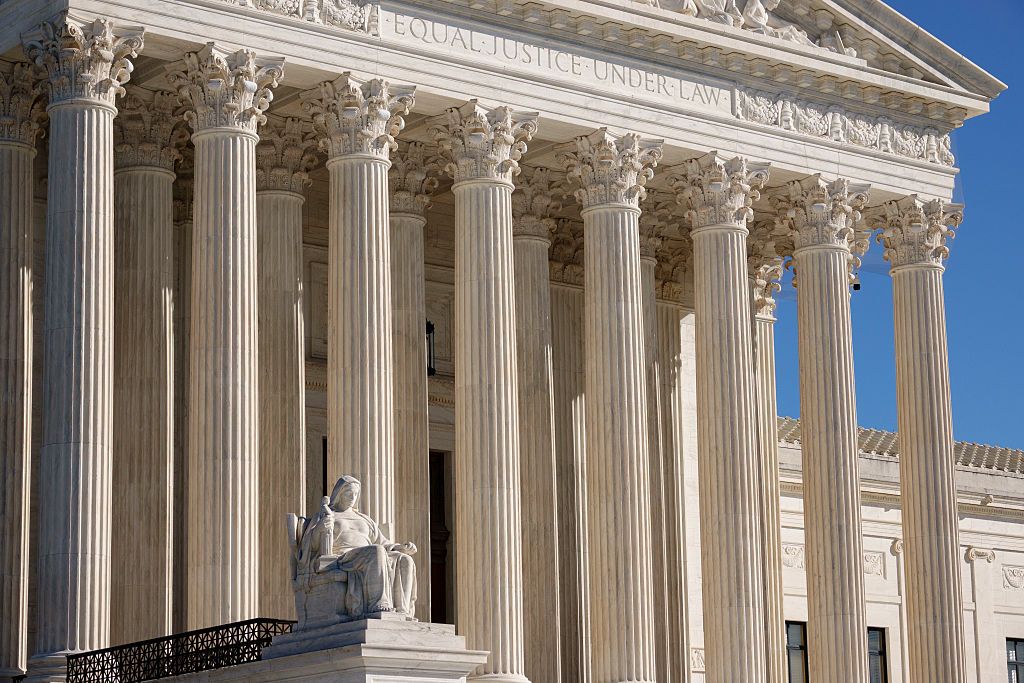
The historical evidence provided by SCOTUSblog contrasts sharply with contemporary judicial rhetoric, such as Chief Justice John Roberts’ assertion that the political branches should not define the law. While modern justices are still assigned to specific circuits, their interactions are now largely confined to handling legal applications from within the Supreme Court building rather than engaging in direct community dialogue. This shift toward a removed, marble institution reflects a departure from the judicial representation model that once defined the court. Current debates over judicial ethics and the emergency docket occur against this backdrop of a court that has transitioned from a localized, partisan body to one that claims a strictly neutral, independent status.
Historian Rachel Shelden examines the evolution of the federal judiciary from an active political participant to the marble palace institution recognized today. As SCOTUSblog reports, the 19th-century court operated under a system where justices rode circuit, traveling through specific regions to preside over trial courts. This mandated regular contact with local officials and lawyers, fostering a sense that justices represented the distinct perspectives of their assigned territories.
Political engagement extended into the media and electoral spheres. SCOTUSblog notes that Chief Justice John Marshall was heavily involved with the Washington Federalist newspaper, even after joining the bench. His clerk eventually owned the publication, which served as a platform for attacks against the Jefferson administration. Other justices used pamphlets and pseudonymous articles to defend their rulings or weigh in on national debates regarding infrastructure, taxation, and the Mexican-American War.
Some members of the court even sought elected office while maintaining their judicial seats. According to SCOTUSblog, Justice Smith Thompson ran for governor of New York in 1828. Despite losing the election, he remained on the Supreme Court for another fifteen years. Similarly, Justices John McLean and Levi Woodbury were active contenders for the presidency during their tenures, demonstrating a level of overlap between the branches that would likely trigger modern impeachment proceedings.
Legislative advocacy was also common among these early jurists. SCOTUSblog highlights Justice John Catron, who used his newspaper connections in 1859 to publicly oppose Tennessee legislation that would have enslaved free Black residents. His public correspondence was reprinted in multiple states and is credited with influencing the eventual rejection of the bill. This history suggests the current ideal of the justice as an apolitical umpire is a relatively recent development in American law.
The Industry Pulse Bottom Line
The historical record indicates that early Supreme Court justices viewed political participation as compatible with their duties, suggesting that modern standards of judicial detachment are a significant departure from original 19th-century practices.