
Trump Administration Seeks Supreme Court Fast-Track for Texas Border Barrier Project
The Department of Justice has requested the Supreme Court intervene in a dispute regarding a 517-mile border wall project in west Texas. According to SCOTUSblog, the government is utilizing the emergency docket to bypass standard appellate reviews following a district court injunction that halted construction in the Big Bend Sector due to environmental law concerns.
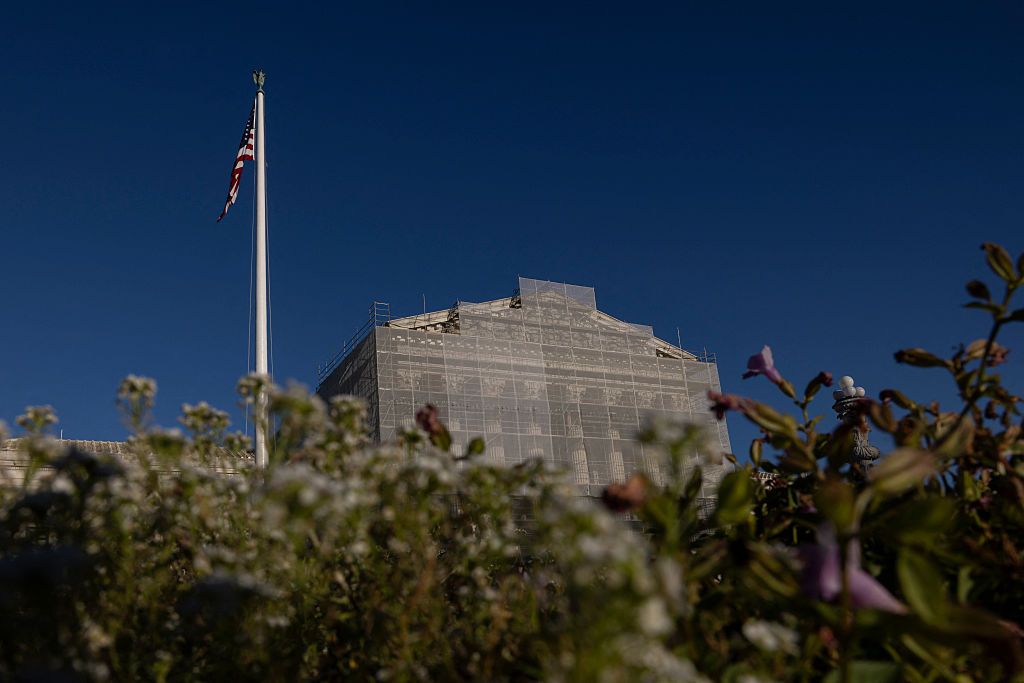
Context from Industry Pulse
The government's strategy highlights a growing reliance on the Supreme Court's emergency docket to resolve major policy disputes. By seeking to fast-track the Big Bend project, the Justice Department is challenging the judiciary's role in reviewing executive waivers of environmental laws. SCOTUSblog notes that the 1996 law at the heart of the case requires DHS to focus construction on areas with high illegal entry. The outcome will likely determine whether the executive branch has sole discretion to define such zones or if federal courts maintain the authority to review the underlying data and constitutional implications of these administrative decisions in remote border regions.
"the district court nonetheless issued an unprecedented injunction blocking those waivers and halting associated border-wall construction"
The legal conflict centers on the Department of Homeland Security's efforts to build barriers through Big Bend National Park and surrounding areas. SCOTUSblog reports that these plans were obstructed in October when U.S. District Judge Kathleen Cardone issued a preliminary injunction. The ruling favored a group of local stakeholders and advocacy organizations who argued that the government failed to conduct necessary environmental reviews before proceeding with the massive infrastructure project.
In its appeal to the high court, the Justice Department contends that the Secretary of Homeland Security has the authority to waive environmental regulations to prevent irreparable national harm. As SCOTUSblog notes, the government argues that the Big Bend Sector should be classified as a high illegal entry zone, citing the apprehension of 89,000 individuals and significant drug seizures between fiscal years 2021 and 2025. The administration claims that leaving the area unfortified creates a magnet for unlawful activity.
However, the district court found the government’s data insufficient to justify the emergency waiver. According to SCOTUSblog, Judge Cardone determined that the Big Bend region actually possesses the lowest apprehension rates per mile along the entire U.S.-Mexico border. The court concluded that if this sparsely populated area met the legal threshold for high illegal entry, then every other sector of the border would naturally qualify, rendering the statutory limitation meaningless.
The administration is now asking the Supreme Court to lift the injunction via the emergency docket rather than waiting for the Fifth Circuit to hear the case. SCOTUSblog indicates that this move has drawn criticism for attempting to leapfrog the traditional judicial process. Opponents argue that because the terrain has remained unfortified for nearly two centuries, the government cannot demonstrate a sudden exigency that justifies skipping the standard appellate timeline.
The Industry Pulse Bottom Line
The Supreme Court must decide if the Trump administration's border project constitutes a genuine emergency or an attempt to circumvent standard judicial oversight regarding environmental compliance and executive statutory authority.