
Supreme Court Halts District Ruling Against Big Bend Wall Construction
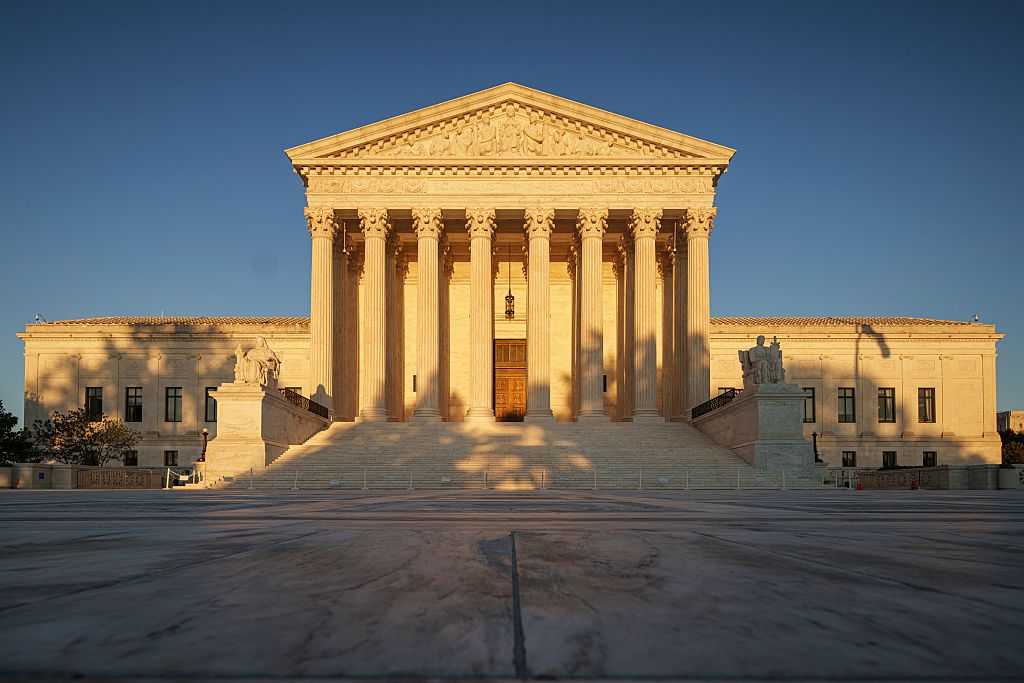
The Supreme Court issued an unsigned opinion on Monday allowing the Trump administration to resume border wall construction in the Big Bend region of Texas. According to SCOTUSblog, the justices stayed a lower court injunction that had blocked the project based on challenges to environmental law waivers issued by Homeland Security officials.
Context from Industry Pulse
The dispute centers on the scope of the major questions doctrine, a judicial principle requiring clear congressional authorization for agency actions of vast economic or political significance. While Judge Cardone used this doctrine to argue that the DHS secretary lacked the authority to waive laws in a region with relatively low migrant traffic, the Supreme Court clarified that the doctrine is an interpretive rule, not a constitutional right. This distinction is critical because the 1996 immigration act limits the types of statutory claims district courts can hear. By categorizing the challengers' argument as a statutory rather than a constitutional matter, the justices reinforced the administration's broad waiver powers under federal immigration law.
The legal conflict originated when Homeland Security officials Kristi Noem and Markwayne Mullin issued waivers to bypass environmental and conservation statutes for wall construction in southwestern Texas. As SCOTUSblog reports, the officials utilized the Illegal Immigration Reform and Immigrant Responsibility Act of 1996, which authorizes the secretary to waive legal requirements to ensure rapid construction of border infrastructure. The administration argued the Big Bend sector is an area characterized by high illegal entry levels.
A coalition of plaintiffs including environmentalists, landowners, and a church preservation group challenged these waivers in federal court. U.S. District Judge Kathleen Cardone initially halted the construction, ruling that the government likely exceeded its authority. SCOTUSblog notes that the judge relied on the major questions doctrine, finding that the Big Bend area actually accounts for a very small percentage of migrant apprehensions despite covering a large portion of the border.
The Supreme Court majority disagreed with the district court's application of the law. In its four-page opinion, the court stated that the government is highly likely to win its argument that the district court lacked the power to hear the specific claims brought by the challengers. Per SCOTUSblog, the justices emphasized that the major questions doctrine is a tool for statutory interpretation rather than a standalone constitutional claim that could override the specific limits Congress placed on judicial review of these waivers.
Only Justice Ketanji Brown Jackson indicated she would have denied the government's request to resume construction, though she provided no written explanation for her dissent. The ruling effectively permits the administration to proceed with blasting, road building, and barrier installation in the ecologically sensitive region while the underlying litigation continues. SCOTUSblog indicates the court found that delaying the project would impede the government's compelling interests in border security.
The Industry Pulse Bottom Line
The Supreme Court's decision signals a narrow application of the major questions doctrine in border security contexts, prioritizing federal waiver authority and statutory limits on judicial review over localized environmental and land-use challenges.