
Supreme Court to Review Racial Proxy Use in Magnet School Admissions
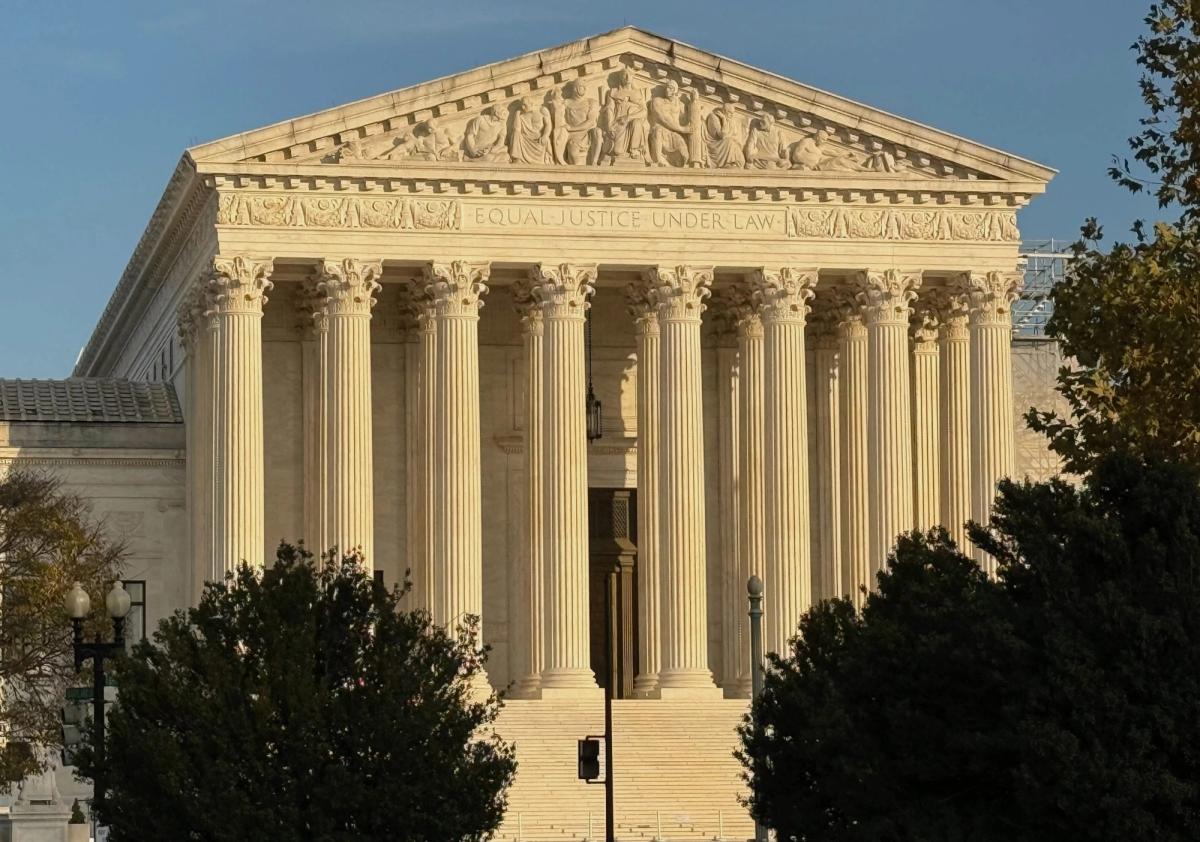
The Supreme Court has granted certiorari in Association for Education Fairness v. Montgomery County Board of Education to decide if race-neutral criteria used to achieve diverse enrollment are unconstitutional. As SCOTUSblog reports, the case examines whether selecting students based on geographic or socioeconomic factors correlated with race constitutes illegal indirect discrimination.
Context from Industry Pulse
Following the 2023 ruling against Harvard, many educational institutions shifted to race-neutral affirmative action strategies. These programs rely on characteristics highly correlated with race to maintain diversity levels. According to SCOTUSblog, this approach is now under fire as the Supreme Court revisits whether what cannot be done directly is also prohibited indirectly. The court has previously struck down race-neutral proxies in other areas, such as the racial gerrymandering of voting districts seen in Louisiana v. Callais. This case could finalize the court’s stance on racial balancing by extending prohibitions from explicit classifications to any policy designed with racial outcomes in mind.
"The Constitution deals with substance, not shadows."
The upcoming legal battle centers on the admission policies of magnet middle schools in Montgomery County. According to SCOTUSblog, the school board implemented a lottery system for students scoring in the top percentile of their local neighborhoods. This change followed concerns that Asian students, who represent a small fraction of the general population, occupied half of the magnet school seats. The new policy successfully increased Black and Latino enrollment while reducing the number of Asian students.
Legal analysts observed by SCOTUSblog suggest this case follows the precedent set in Students for Fair Admissions v. Harvard, which barred explicit racial preferences in higher education. The current dispute tests whether institutions can bypass that ruling by using proxies such as zip codes, language proficiency, or local standardized test rankings. These methods aim to produce specific racial outcomes without naming race as a selection criterion.
The core constitutional question involves the doctrine of purpose and effect. SCOTUSblog notes that the Supreme Court has historically invalidated policies that discriminate indirectly, such as literacy tests for voting or gerrymandered school boundaries. If a policy is intended to produce a racial result and achieves that result, the court often treats it as a racial classification regardless of the terminology used.
Defenders of the Montgomery County policy argue for a distinction between invidious discrimination meant to harm a group and benign efforts meant to assist marginalized populations. However, SCOTUSblog highlights that the court recently rejected this distinction, viewing admissions as a zero-sum environment where helping one group inevitably impacts another. The ruling in this case will determine if the Constitution permits these indirect strategies or if it requires a strictly colorblind approach to all public institutional selection processes.
The Industry Pulse Bottom Line
The Supreme Court’s review of Montgomery County’s admissions policy may eliminate the use of racial proxies, effectively ending all forms of race-conscious institutional selection in public education and government programs.