
Supreme Court Weighs Religious Exemptions for Colorado Universal Preschool Program
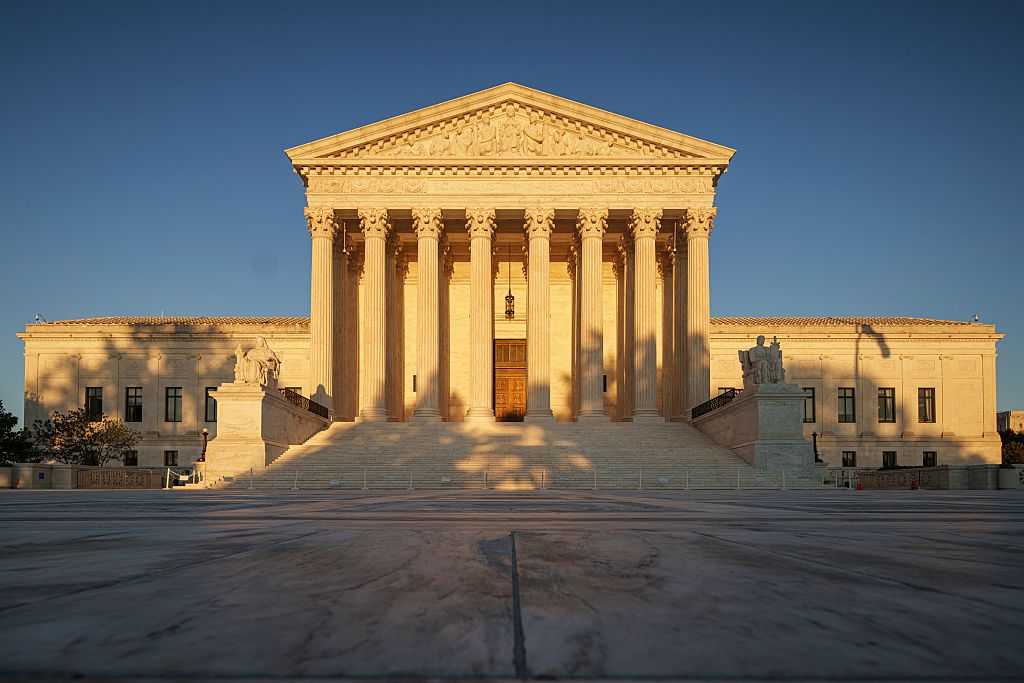
The Supreme Court recently heard oral arguments in St. Mary Catholic Parish v. Roy, a case determining if Colorado can exclude Catholic preschools from a public funding program for refusing to sign a nondiscrimination agreement. As SCOTUSblog reports, a majority of justices appeared inclined to favor the religious institutions' First Amendment claims.
Context from Industry Pulse
The case follows a trilogy of Supreme Court decisions, most recently Carson v. Makin in 2022, which restricted states from excluding religious schools from public tuition assistance. According to SCOTUSblog, the current dispute tests the limits of those precedents by focusing on whether a state can mandate specific nondiscrimination criteria as a condition for receiving public funds. While the state argues its rules are neutral protections for LGBTQ families, the challengers view them as a barrier to religious exercise. The court’s eventual ruling will clarify whether religious institutions are entitled to special accommodations when participating in broadly available government benefit programs.
According to SCOTUSblog, the dispute centers on Colorado's universal preschool initiative launched in 2023, which offers families fifteen hours of free weekly instruction. To participate, schools must agree to provide equal enrollment opportunities regardless of factors such as sexual orientation or gender identity. The Archdiocese of Denver and several Catholic parishes challenged the state, arguing the policy forces them to choose between their religious tenets and participating in a public benefit.
During oral arguments, a majority of the justices seemed to support applying a more rigorous constitutional test to the case than what was used by lower courts. As SCOTUSblog notes, the central legal question involves whether the state's refusal to grant a religious exemption constitutes unlawful discrimination. The challengers suggested that inclusion would not be a zero-sum game, as allowing their participation would simply increase the total number of preschool seats available to the public.
Representatives for Colorado argued that the state welcomes religious providers but requires them to follow the same nondiscrimination rules as all other participants. The state maintains that these requirements are neutral and generally applicable, whereas the Catholic schools contend the rules specifically target their religious exercise. SCOTUSblog indicates that Chief Justice John Roberts questioned whether the effect of the Colorado law was functionally similar to previous programs the court has struck down.
The outcome of this case may hinge on how the justices interpret recent precedents regarding public funding for religious education. While some justices expressed concern that granting an exemption would go beyond existing nondiscrimination principles, others appeared skeptical of the state's arguments. The court could either issue a final ruling on the merits or remand the case back to lower courts to apply a stricter scrutiny standard.
The Industry Pulse Bottom Line
The Supreme Court appears poised to strengthen First Amendment protections for religious schools, potentially limiting the ability of states to enforce broad nondiscrimination mandates within publicly funded educational programs.