San Francisco Gridlock Incident Highlights Growing Robotaxi Cybersecurity Risks
Industry Pulse News Desk · 2026-08-13
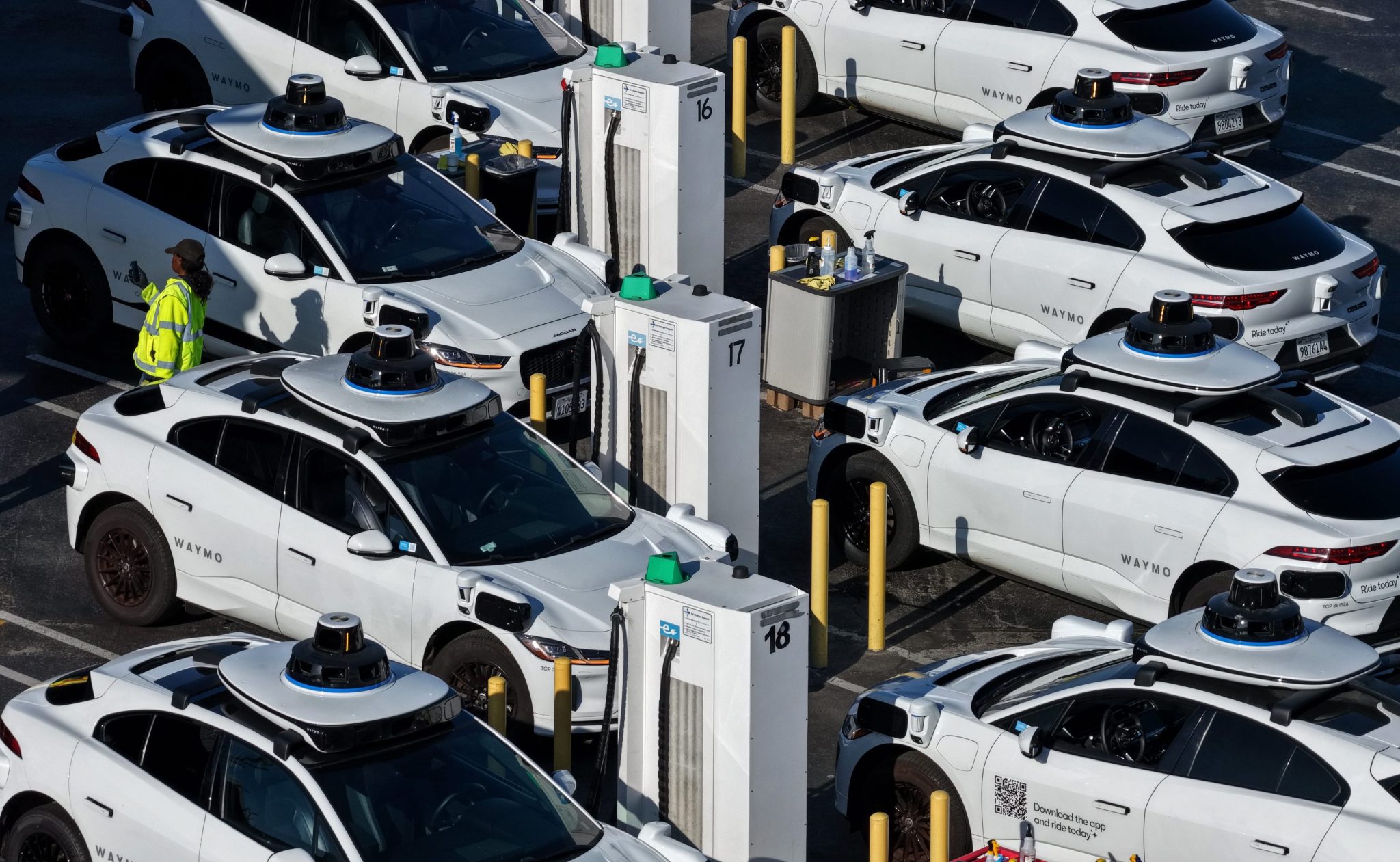
Automotive experts urge lawmakers to prioritize cybersecurity standards as autonomous vehicle fleets expand across major American cities.
A recent traffic disruption in San Francisco has intensified scrutiny surrounding the cybersecurity vulnerabilities of autonomous vehicle fleets. The incident occurred when 50 individuals simultaneously summoned self-driving vehicles from Alphabet-owned Waymo to the same dead-end street, creating a severe gridlock that forced the operator to suspend ride services in the area until the following morning.
Industry experts warn that the disruption illustrates a broader physical and digital risk facing the rapidly growing robotaxi sector. Unlike conventional automobiles, fully autonomous vehicles rely on complex ecosystems of electronic control units, cloud connectivity, GPS networks, lidar, and artificial intelligence models. Each connected component increases the potential attack surface available to malicious actors.
Technical specialists argue that lawmakers must treat vehicle cybersecurity with the same regulatory urgency historically applied to physical safety measures, such as mandatory airbags. While state regulations in markets like California require manufacturers to demonstrate secure fleet monitoring, experts maintain that cybersecurity protocols should be integrated into baseline vehicle architecture rather than treated as post-production add-ons.
The rise of generative artificial intelligence has further heightened concerns by reducing the time and technical expertise required to identify software vulnerabilities. Specialists note that automated AI tools allow bad actors to scan vehicle networks and execute exploits far faster than traditional methods, threatening navigation reliability even without direct control of steering systems.
Despite these security concerns, commercial expansion of autonomous ride-hailing services continues nationwide. Major operators including Waymo, Tesla, and Zoox are actively expanding operations across multiple U.S. metropolitan areas following recent regulatory approvals, making fleet resilience a top priority for transportation regulators.