Researchers Link ADHD Directly to Circadian Rhythm Disruptions
Industry Pulse News Desk · 2026-10-12
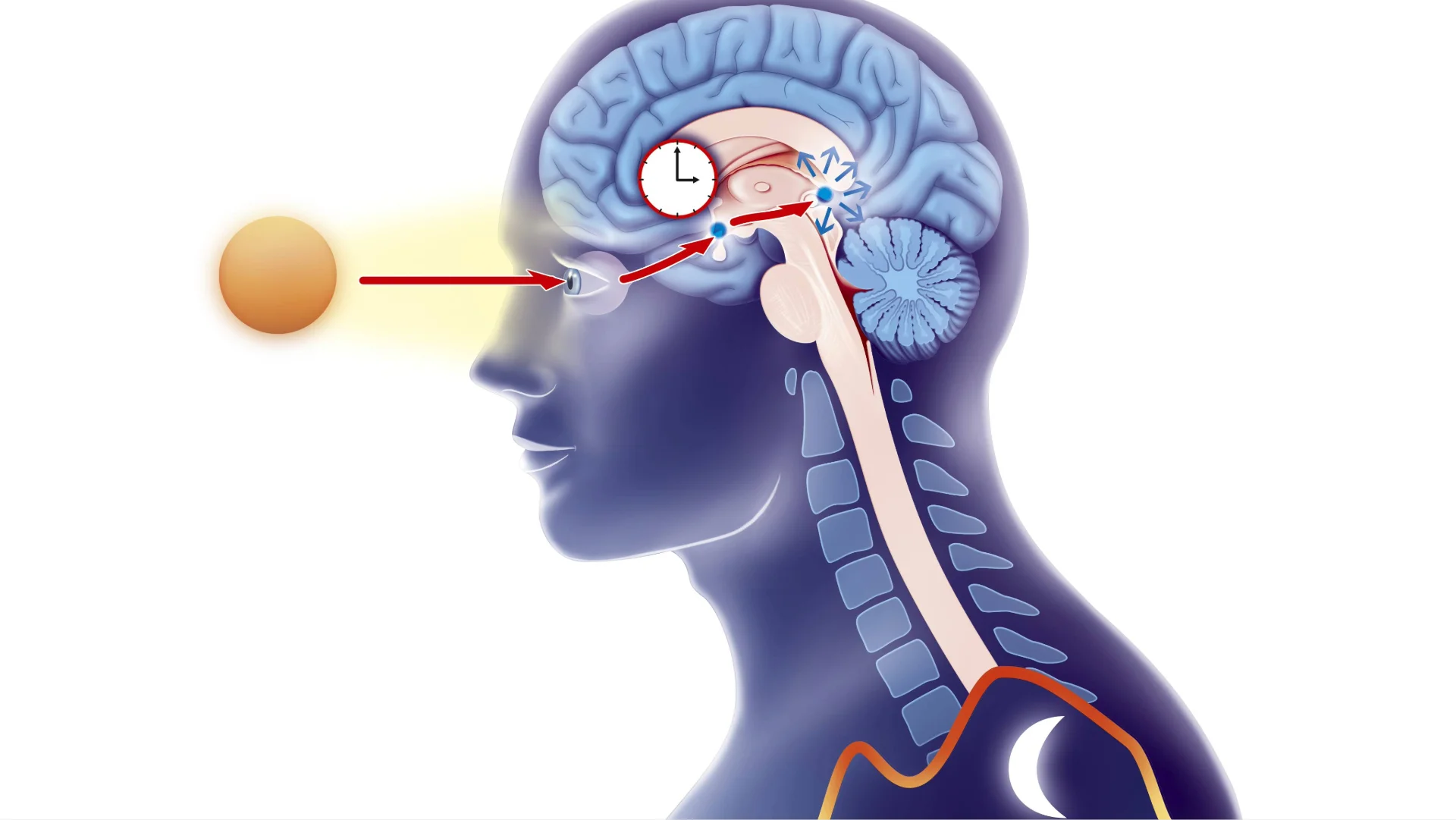
A growing body of clinical research suggests sleep cycle disturbances may be a core component of attention deficit hyperactivity disorder rather than a secondary symptom.
Medical researchers are re-evaluating the fundamental relationship between attention deficit hyperactivity disorder and sleep disturbances. New clinical evidence indicates that circadian rhythm disruptions may serve as a core component of the disorder rather than a secondary consequence.
For decades, sleep problems among individuals diagnosed with ADHD were primarily categorized as behavioral side effects or reactions to stimulant medications. However, recent physiological studies demonstrate that delayed sleep phase traits and altered melatonin production cycles are directly linked to the neurological pathways responsible for regulating attention and impulse control.
Clinical data reveals that up to 75 percent of adults diagnosed with ADHD experience a delayed circadian phase, marked by measurable shifts in core body temperature rhythms and sleep-onset times. These persistent physiological markers indicate that internal biological clock misalignment may directly drive daytime cognitive fatigue and executive dysfunction.
Clinicians report that reclassifying sleep disruption as an intrinsic feature of ADHD could fundamentally alter standard management strategies. Emerging treatment frameworks are beginning to combine targeted bright-light exposure and strict circadian timing protocols with established pharmacological therapies to stabilize patient sleep cycles.
Diagnostic practices are expected to incorporate routine sleep architecture assessments to identify circadian misalignments early in patient evaluation. Health experts note that stabilizing sleep patterns could reduce the severity of daytime symptoms and lead to more effective long-term treatment plans.