Preliminary Research Questions Efficacy of Brain Health Supplements
Industry Pulse News Desk · 2026-09-20
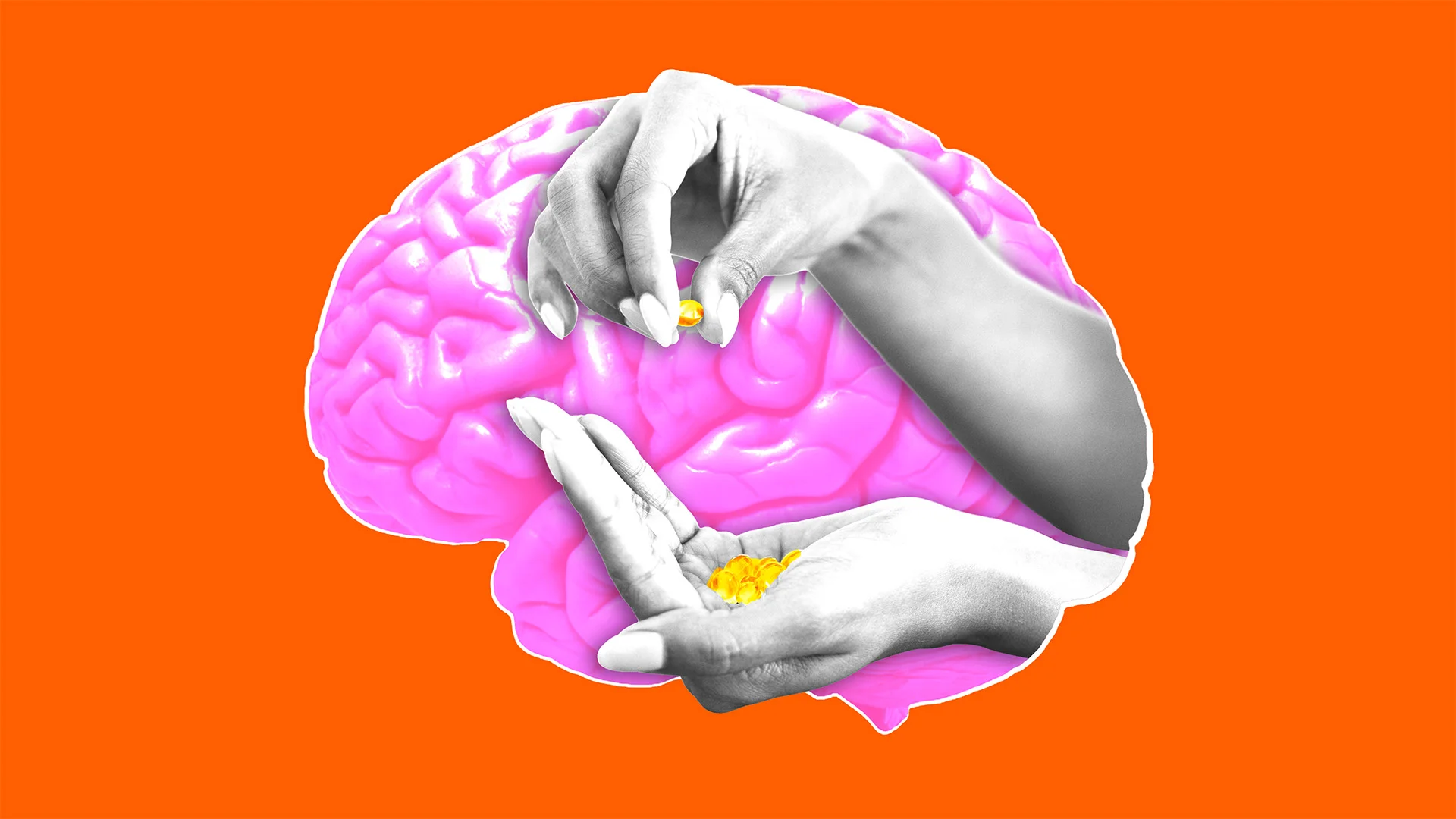
Early findings indicate daily supplements like omega-3 and glucosamine may interact differently with the brain as biological mechanisms shift during aging.
Preliminary scientific research indicates that widely used dietary supplements—including omega-3 fatty acids, glucosamine, and L-tyrosine—may function differently in the human brain as individuals age, raising questions about the safety and efficacy of daily regimens for older adults.
Researchers focused on two primary biological shifts associated with aging: changes in metabolic processing and alterations in blood-brain barrier permeability. These physiological shifts can modify how the body absorbs, transports, and utilizes active compounds found in popular over-the-counter supplements.
Omega-3 fatty acids, long utilized for cardiovascular and cognitive support, showed varied absorption rates in older brain tissue compared to younger samples. Similarly, amino acid derivatives like L-tyrosine and joint health supplements like glucosamine demonstrated altered metabolic pathways, leading scientists to question standard dosage recommendations.
While dietary supplements are broadly consumed to mitigate age-related cognitive decline, regulatory oversight typically evaluates these products under standard adult biological baselines rather than age-specific metabolic parameters. The preliminary findings suggest that blanket dosage recommendations may not account for age-dependent physiological variables.
Lead researchers emphasized that further clinical trials are required before updating formal health guidelines. Medical professionals continue to advise patients to consult healthcare providers prior to starting or modifying daily supplement routines, particularly when managing age-related health conditions.