
Corporate Comms Crisis Deepens as Tech Outages and Executive Scandal Mount
Major U.S. corporations are struggling to maintain consumer trust following a series of technical failures and executive transitions. According to reporting from PR Daily, companies including JPMorgan Chase, United, and Apple have faced significant service disruptions, while Nvidia has firmly rejected a reinstatement bid from its former CEO after a misconduct scandal.
Context from Industry Pulse
The current wave of communications challenges highlights a tension between risk mitigation and public transparency. While tech giants like Apple and JPMorgan Chase prioritize security by downplaying outages as non-cyber-related bugs, this approach often overlooks the psychological impact of repeated failures on consumer loyalty. Simultaneously, the Nvidia leadership crisis demonstrates that boards are increasingly unwilling to overlook personal misconduct for the sake of founder continuity, favoring institutional reputation over individual leadership. As autonomous technology and AI-driven security patches become more prevalent, the ability to explain complex technical failures without resorting to boilerplate language is becoming a critical competitive differentiator for marketing and communications teams navigating a skeptical public environment.
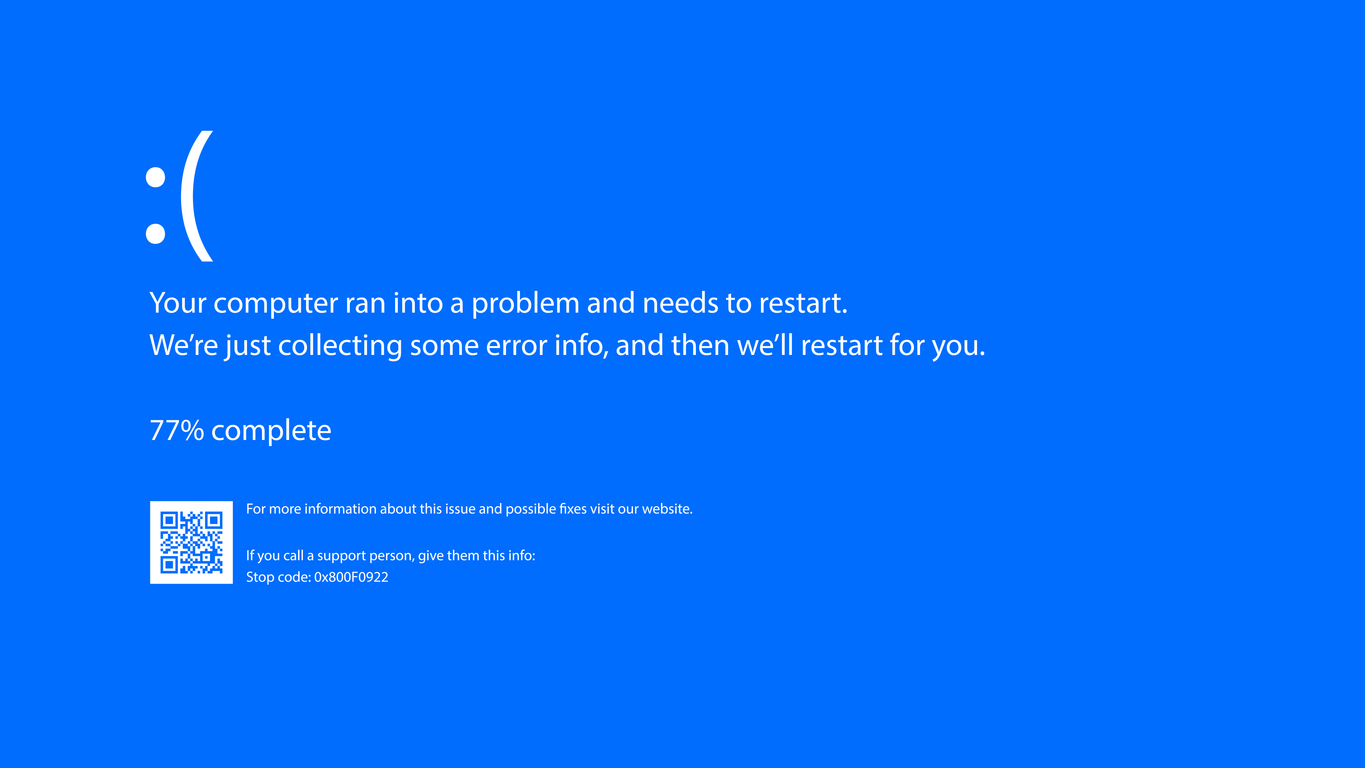
The American corporate landscape is currently navigating a wave of technical disruptions that have impacted sectors ranging from finance to aviation. According to PR Daily, a sequence of outages has hit prominent entities such as Marriott, United, and the NSA. These incidents followed closely after significant service failures involving Microsoft Outlook and air traffic control systems. While individual companies are framing these events as isolated technical glitches, the frequency of the failures has created a broader perception of systemic instability among the public.
Corporate responses to these outages have followed a noticeably uniform pattern. PR Daily reports that JPMorgan Chase, United, and Apple all issued statements attributing their respective issues to software bugs or internal updates. These communications explicitly distanced the failures from external cyberattacks. However, the similarity and vagueness of these messages may be failing to address consumer anxiety. Industry observers suggest that these disruptions might actually stem from companies deploying patches to defend against AI-driven threats, yet failing to communicate these proactive measures effectively.
In the technology sector, leadership stability remains a primary concern for stakeholders. As PR Daily notes, Nvidia’s board of directors recently issued a definitive rejection of Jensen Huang’s attempt to return to the company. Huang resigned after his personal conduct was found to be inconsistent with company standards. The board opted for a clear and immediate dismissal of his request to avoid prolonged internal turmoil and maintain the integrity of their code of conduct.
In contrast to the vague messaging seen in the tech sector, other organizations are utilizing transparency to manage reputational risks. PR Daily points to the Cincinnati Zoo and the autonomous vehicle firm Waymo as examples of proactive communication. Waymo chose to pull its self-driving cars from highways nationwide following accidents in California, exceeding regulatory requirements to demonstrate a commitment to safety. Similarly, the Cincinnati Zoo has provided constant updates on a high-profile animal health scare to prevent public misinformation.
The Industry Pulse Bottom Line
Marketing leaders must move beyond vague, reactive statements during tech failures. Prioritizing transparency and empathy over boilerplate technical excuses is essential for maintaining brand trust in an era of cascading system disruptions.