Physical Cabling Remains Primary Bottleneck in High-Speed Internet Setups
Industry Pulse News Desk · 2026-09-20
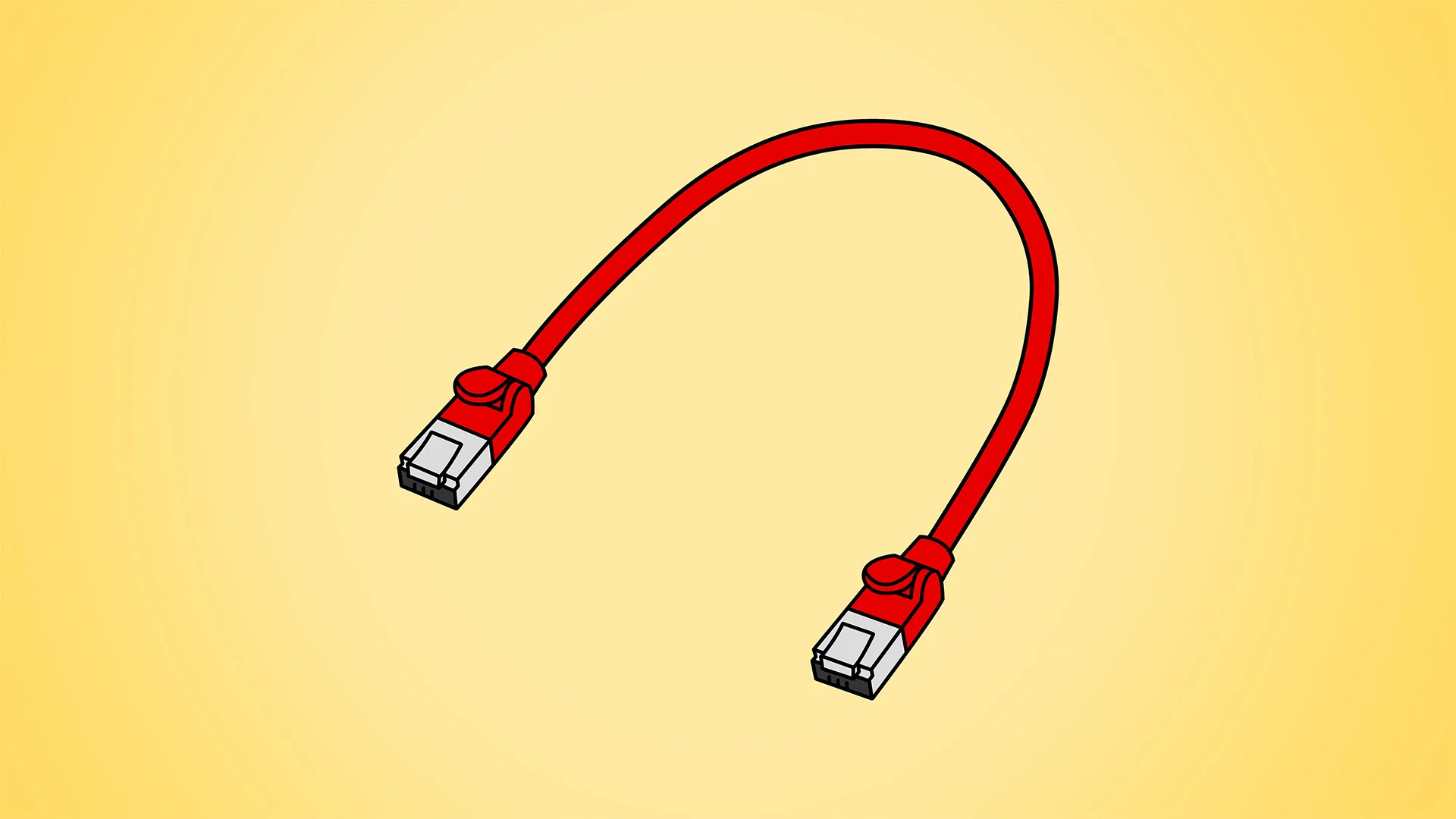
Network evaluation shows legacy hardware limits bandwidth throughput despite fiber-optic upgrades and wireless signal boosters.
A recent network performance evaluation revealed that physical infrastructure, specifically legacy Ethernet cabling, continues to serve as a primary bottleneck for high-speed internet deployments. Tests showed that modern fiber-optic upgrades, wireless boosters, and software optimizations failed to deliver expected bandwidth until legacy copper cables were replaced.
Network engineers reported that replacing an outdated Category 5 Ethernet cable with a modern Category 6 standard instantly tripled connection throughput. The finding underscores a persistent gap between incoming internet service provider speeds and internal local area network distribution hardware.
Consumer and enterprise users frequently attempt to resolve localized latency and bandwidth degradation through wireless mesh routers and signal extenders. However, hardware experts note that wireless transmission technologies remain dependent on the physical backhaul connecting routers to modems and network switches.
Older cable standards often lack the shielding and twisted-pair density required to transmit gigabit-level data streams without significant signal attenuation and packet loss. As service providers deploy multi-gigabit fiber connections to homes and offices, physical cabling rated below current industry standards caps total achievable speeds.
Network hardware analysts recommend auditing all physical connections prior to purchasing costly wireless amplification devices or adjusting software configurations. Upgrading legacy patch cables represents one of the most cost-effective methods for restoring full throughput to connected local devices.