Pentagon Proposes $30 Billion Investment in Next-Generation Polygraph Systems
Industry Pulse News Desk · 2026-10-24
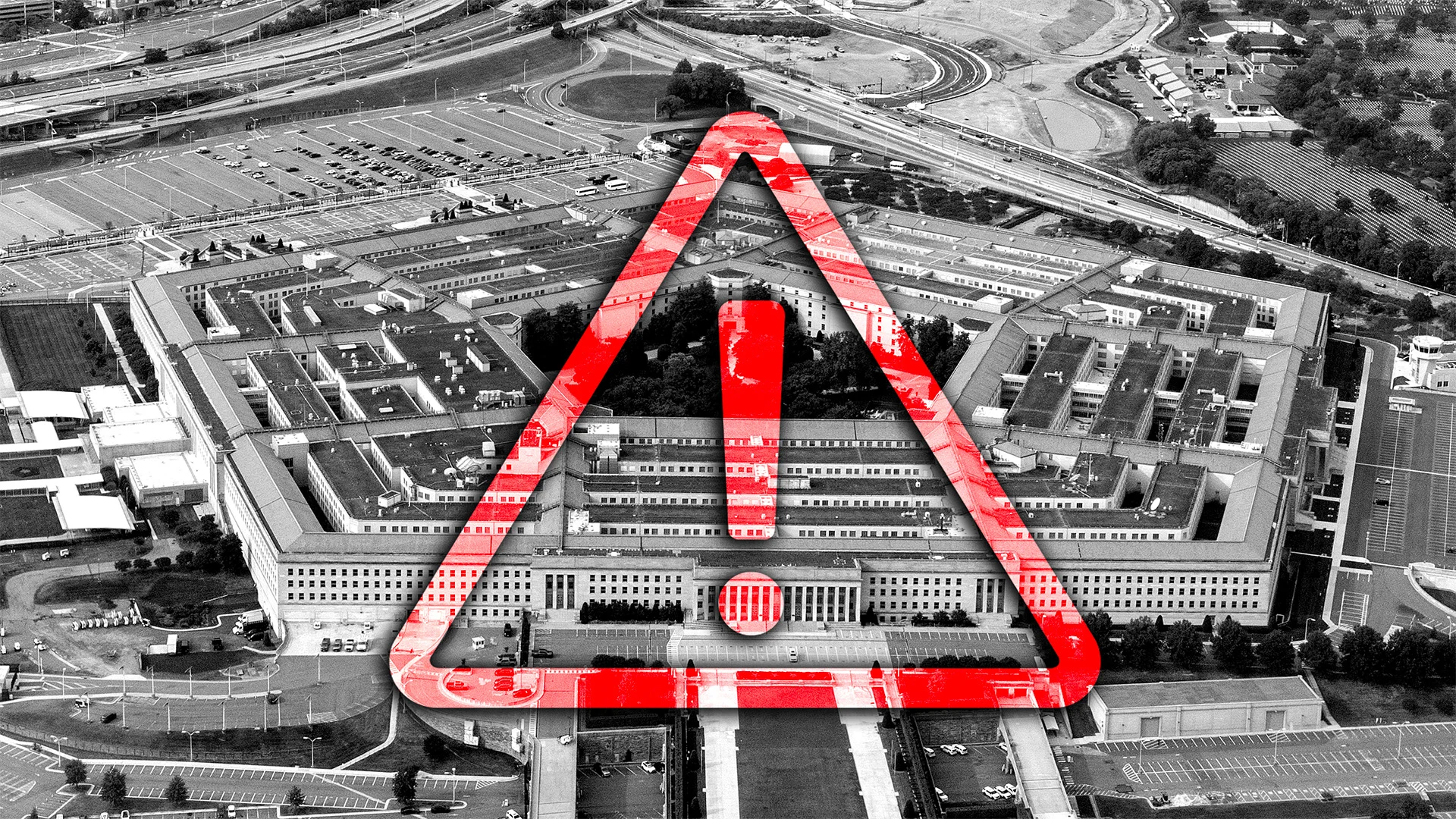
Defense officials seek to modernize deception detection technology despite ongoing scientific debates over the reliability of polygraph examinations.
The U.S. Department of Defense is planning a $30 billion modernization effort aimed at updating its deception detection systems, according to procurement documents released this week. The initiative seeks to integrate advanced analytics and automated scoring to speed up security clearance processing across military and intelligence agencies.
Under the proposed plan, federal defense contractors will develop next-generation sensors and algorithmic tools to evaluate physiological responses during polygraph examinations. Defense officials state the upgraded infrastructure will streamline background evaluations and reduce backlogs for personnel seeking high-level security clearances.
Scientific researchers have long questioned the underlying methodology of polygraph testing. Critics point out that polygraphs measure physiological stress—such as elevated heart rate, respiration changes, and perspiration—which can be triggered by general anxiety, fear, or confusion rather than deliberate deception.
While the modernization effort aims to accelerate data processing and standardize test results, experts note that faster computational analysis cannot resolve the fundamental challenge of measuring emotional arousal. Studies indicate that physiological indicators fail to consistently distinguish between deception and ordinary nervousness under scrutiny.
Despite ongoing scientific skepticism, defense officials maintain that updated deception detection technology remains an essential component of national security vetting. The $30 billion spending proposal is currently under review by congressional committees as part of the upcoming defense authorization bill.