Oil Deliveries Through Strait of Hormuz Continue Despite Conflict
Industry Pulse News Desk · 2026-08-23
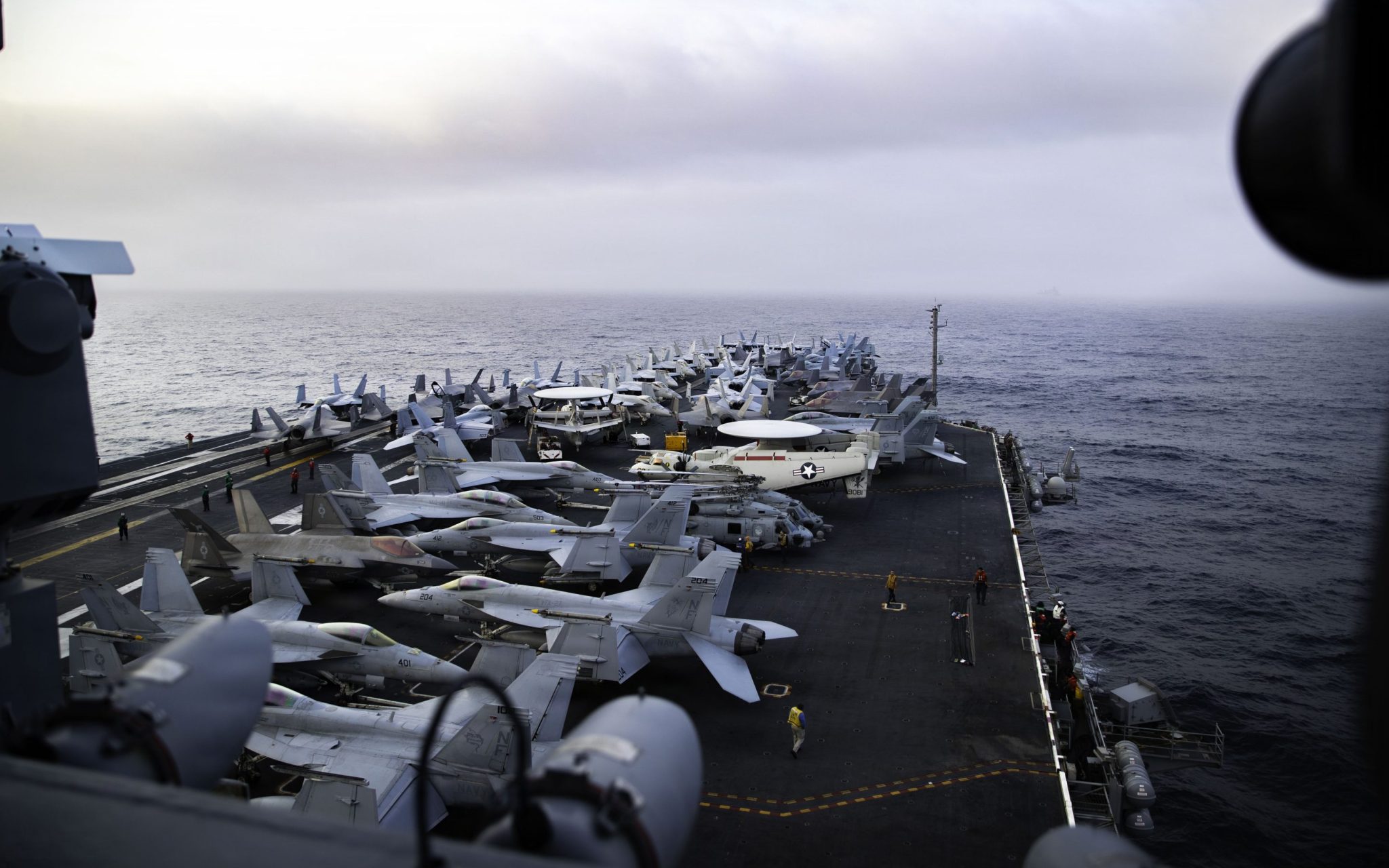
Significant crude volumes continue moving through a protected maritime corridor, easing short-term market fears while prolonging the military stalemate.
Substantial volumes of crude oil continue to exit the Persian Gulf through the Strait of Hormuz despite claims of a complete blockade, as protected shipping corridors allow commercial tankers to bypass Iranian surveillance.
Recent transport figures indicate between 8 million and 10 million barrels of oil per day are moving through a designated maritime channel along the coast of Oman. Combined with alternative pipeline exports, total regional outflow has approached pre-conflict levels on peak shipping days, averting an immediate global energy shutdown.
Military strikes against coastal tracking infrastructure severely degraded surveillance capabilities across the waterway last month. The reduced oversight has enabled commercial tankers to conduct nighttime shuttle operations with transponders deactivated, transferring crude to larger vessels outside the primary conflict zone.
The steady outflow has prevented global energy markets from experiencing catastrophic supply shortfalls, although consuming nations continue to draw down strategic petroleum reserves. However, the ongoing shipments have also reduced the immediate economic pressure required to force diplomatic compromise, raising concerns that the conflict could extend deep into 2027.
Diplomatic negotiations remain at a standstill as naval forces maintain a blockade against direct Iranian oil sales. Market observers warn that if benchmark crude prices surge above key economic thresholds, military operations could escalate to clear the narrow shipping lane by force.