
Industry Pulse News Desk · Edited by Oleksandr Ivanytskyi · · 2h ago
Nvidia Expands Pay and Stock Grants to Retain Engineering Talent
The chipmaker is deploying enhanced compensation packages to counter turnover as competitors aggressively recruit specialized artificial intelligence engineers.
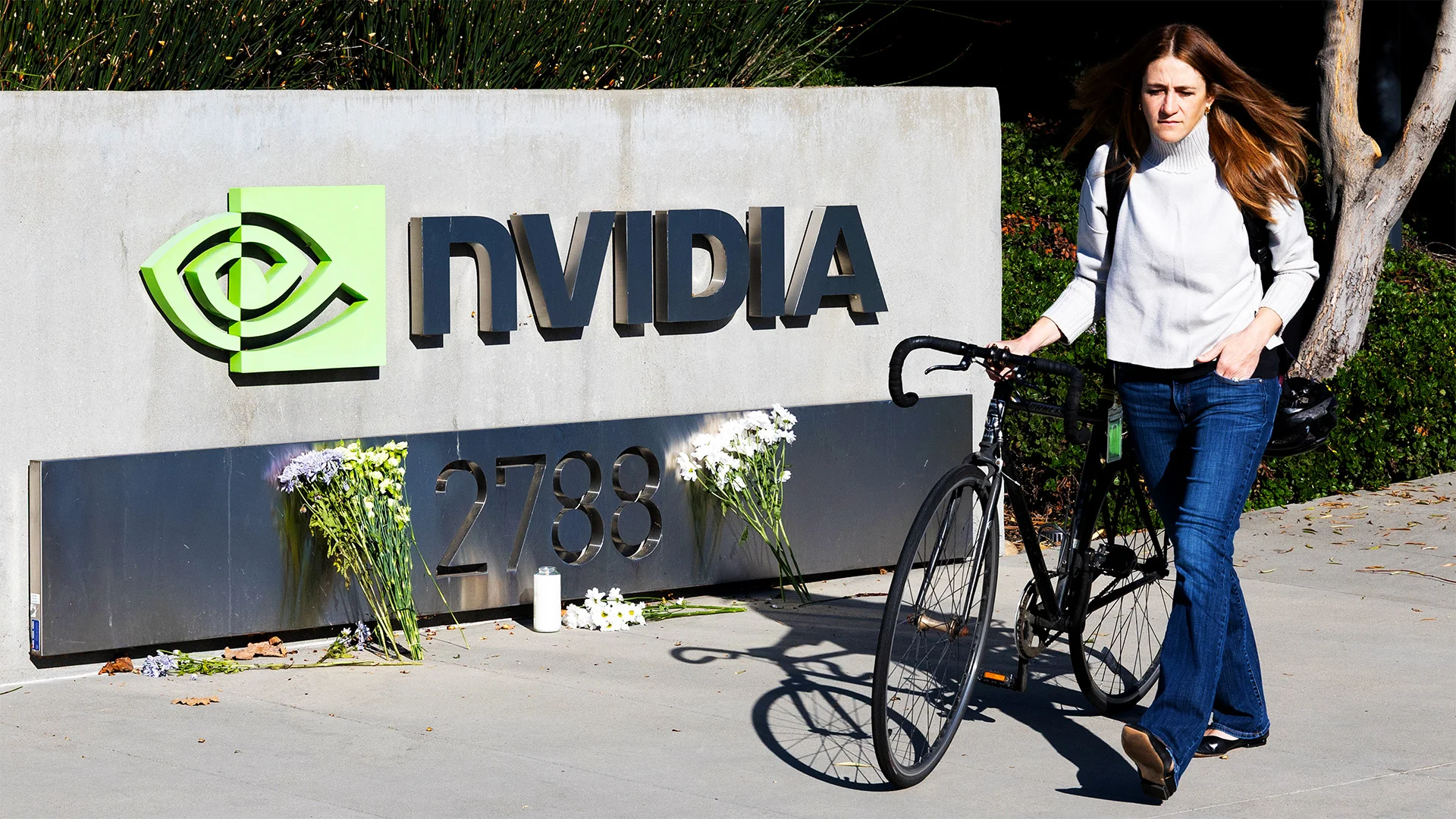
Nvidia Corp. is expanding compensation packages by offering salary increases and additional restricted stock units in an effort to retain key engineering talent amid intensifying competition across the semiconductor and artificial intelligence sectors.
The retention push follows an unprecedented surge in the company's valuation, which has generated significant equity wealth for long-tenured personnel. That financial windfall has prompted some senior technical staff to consider early retirement or explore opportunities at well-funded artificial intelligence startups and rival chipmakers.
Despite the lucrative compensation adjustments, internal feedback indicates that financial rewards alone may be insufficient to maintain long-term workforce stability. Employees have increasingly cited persistent workplace fatigue, heavy project demands, and the relentless operational pace required to sustain continuous hardware development cycles.
The market for specialized silicon architects and high-performance software engineers remains severely constrained. Competitors across the technology industry are leveraging aggressive recruiting strategies, pairing competitive compensation packages with promises of more manageable workloads, remote flexibility, and greater autonomy on new initiatives.
Santa Clara, California-based Nvidia continues to hold a commanding share of the market for advanced graphics processing units that power generative artificial intelligence models. Retaining experienced engineering teams is critical to defending that market lead, as the company works to meet surging global demand while developing its next-generation computing architectures.